A useful way to think about the best comics is to separate cultural impact from craft and then ask how each book teaches a working lesson. Some titles changed superhero storytelling. Others proved memoir, history, fantasy, and political allegory could all live inside sequential art. The list below ranks the classics, but it also breaks down how they work so you can borrow their strengths when you build your own stories with PersonalizedComics.
1. Watchmen 1986 to 1987
Watchmen still earns its place because it treats superheroes like a pressure test for power, fear, and morality. Alan Moore and Dave Gibbons don't just ask whether masked heroes can save a city, they ask what happens when the mask hides trauma, obsession, and compromise. The result feels surgical, every scene pushing the reader to read between the panels as much as across them.
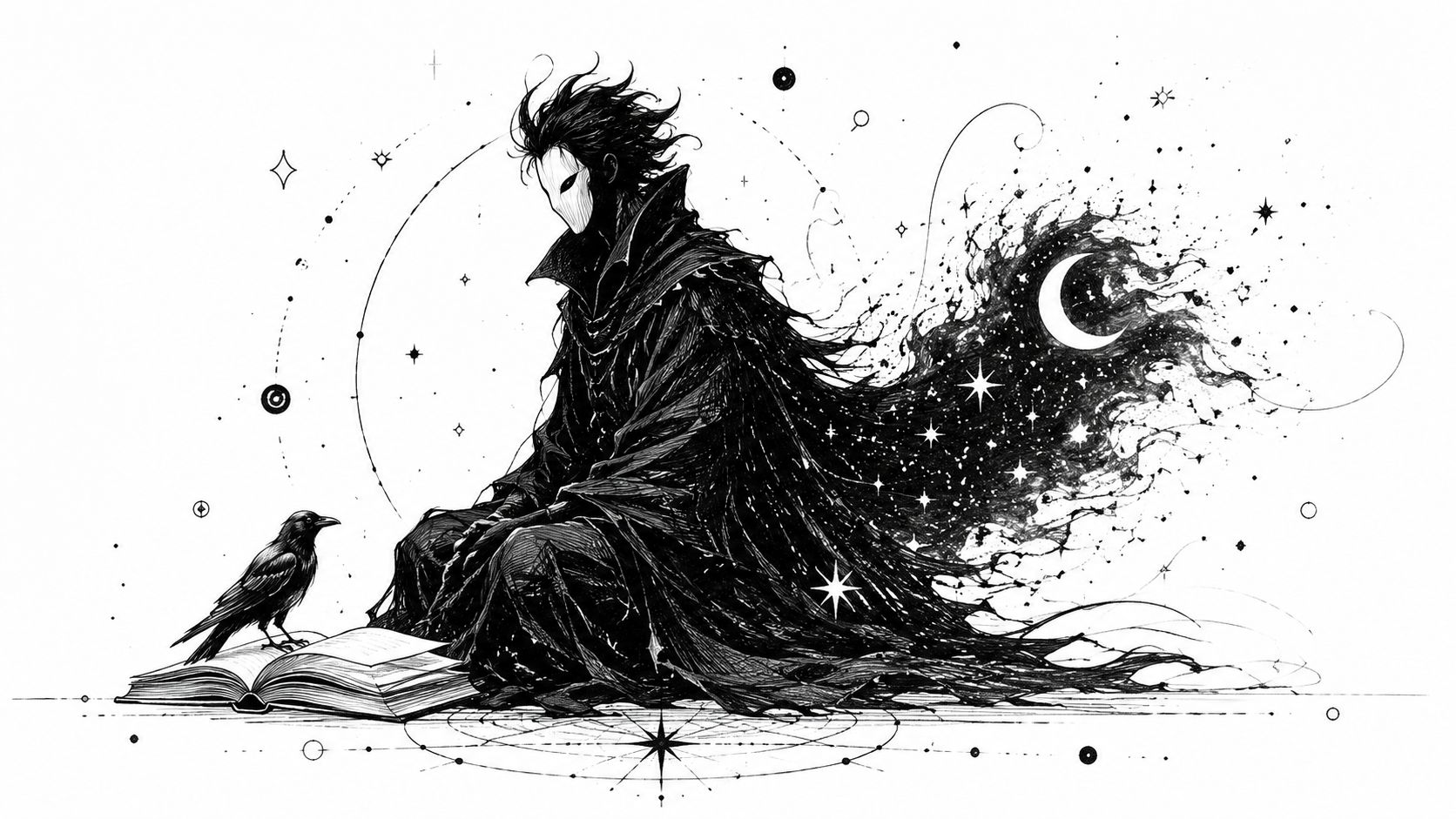
The book's biggest lesson for creators is structure. Watchmen rewards multi-perspective storytelling, controlled pacing, and visual symmetry that carries meaning instead of decoration. If you're building a comic with PersonalizedComics, think in terms of character files, hidden motives, and scene transitions that reveal something new on a second read.
Practical rule: give each major character a moral argument, not just a costume or a power. That's what makes conflict feel inevitable instead of random.
Why it still works
The setting is dense, but the emotions are clear. That balance is why the book keeps surviving adaptation conversations, from HBO's Watchmen series to Doomsday Clock, and why it still shows up in courses that treat comics as serious literature. For your own project, use the noir style to sharpen contrast, then let panel composition do some of the exposition for you. Marvel or DC? Which universe fits your story best is a useful starting point if you're deciding how much public myth you want in your own comic.
2. The Sandman 1989 to 1996
The Sandman works because it understands that myth doesn't have to live in the past. Neil Gaiman takes Morpheus, a cosmic figure, and drops him into a story world that can move from horror to romance to history without losing its center. That kind of range is rare, and it's part of why the series feels literary without ever forgetting it's still a comic.
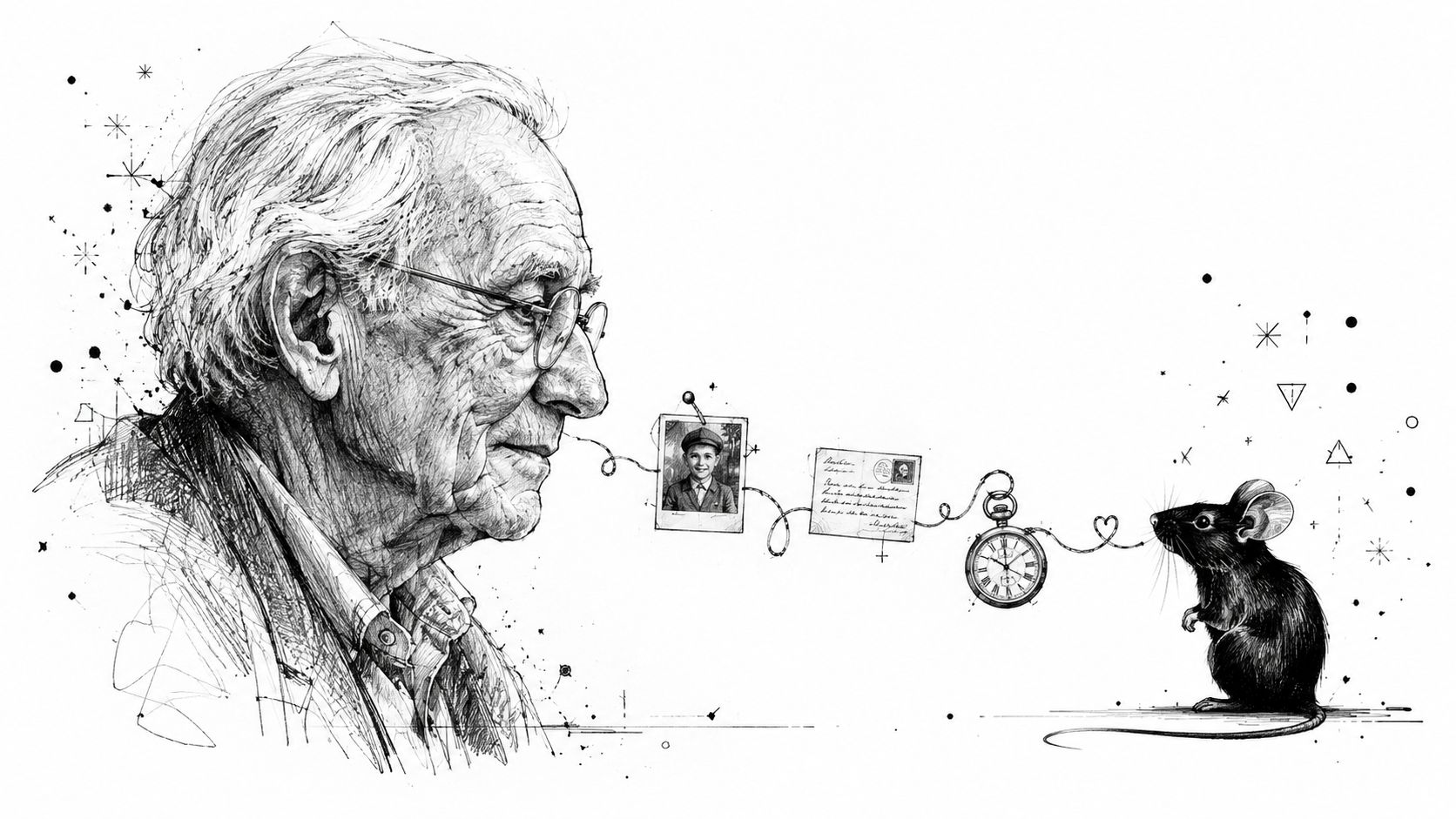
The lesson here is tonal control. You can write one long series, or even a short personal project, and still let each chapter behave differently if the emotional spine stays consistent. In PersonalizedComics, that means using different art styles for different moods, noir for dread, watercolor for intimacy, fantasy for wonder, while keeping the same cast anchored to a single emotional journey.
A useful model for long-form comics
A lot of comics lose steam because every chapter feels like the same scene with different names. The Sandman avoids that by making each arc feel self-contained while still feeding the larger mythos. If you're creating your own serialized story, build recurring symbols, evolving relationships, and one or two scene types that can return in altered form. For world-building help, fantasy world-building guidance can help you think about rules, atmosphere, and consistency before the art even begins.
3. Maus A Survivor's Tale 1980 to 1991
Maus matters because it proved comics could carry documentary weight without losing emotional force. Art Spiegelman tells his father's Holocaust survival story through animals, but the metaphor never feels cute or distancing. It gives the reader just enough formal distance to enter the trauma carefully, while the interview structure keeps the story grounded in memory and testimony.
The craft lesson is simple and hard. If you're telling a family story, a memoir, or a history piece, the frame matters as much as the event. Maus moves between the father's wartime experience and the son's contemporary interviews, which gives the book a double lens, lived experience and the act of remembering it. That's a strong model for anyone using PersonalizedComics to preserve family history.
How to use memory on the page
A personal comic doesn't need to be sentimental to be moving. In fact, the strongest ones are often more honest when they let awkward pauses, gaps in knowledge, and conflicting memories stay on the page. If you're writing about a parent, grandparent, or formative event, use the page layout to show distance, uncertainty, and emotional pressure instead of overexplaining everything in captions.
Preserve the story first. Polish it second. Readers trust comics that feel witnessed rather than performed.
For scripting help, how to write a graphic novel script is especially relevant if you're turning interviews or recollections into panels. The goal is not to flatten memory into summary. It's to give memory a visual form that can still breathe.
4. The Dark Knight Returns 1986
Frank Miller's The Dark Knight Returns changes Batman by aging him up and forcing him to carry the weight of his own legend. That simple move does a lot of work. It turns the hero into a man confronting history, public fear, and the cost of returning to violence after stepping away from it. The book's power comes from that collision between myth and deterioration.
The practical lesson is recontextualization. A familiar character becomes interesting again when you change the frame, the age, the social climate, or the emotional stakes. That's a technique worth stealing for any personalized comic. Put a parent in a superhero role, a friend in a fantasy kingdom, or yourself in a noir city, then ask what changes when the context changes.
Reimagining without losing identity
What Miller does well is keep Batman recognizable even as he hardens the world around him. The silhouette, the posture, the obsession, all of it stays intact. That's the balance to study if you want to redesign someone for a custom comic without losing what makes them feel like themselves.
Use bold lighting, aggressive contrast, and compressed panel rhythm if you want tension. Then slow down for philosophical dialogue, because The Dark Knight Returns hits hardest when the action and the idea share the same page. If you're building a darker personalized story, it helps to think like a visual editor as much as a writer.
5. Persepolis 2000
Persepolis is one of the clearest examples of comics functioning as memoir, political history, and coming-of-age story at once. Marjane Satrapi's black-and-white art gives the book a directness that matches the voice on the page. Nothing feels overworked. The images are simple, but the emotional range is wide.
Its biggest lesson is accessibility. The book speaks clearly, but it never talks down to the reader. That's valuable for anyone making a personal comic through PersonalizedComics, especially if the story touches family, migration, adolescence, or social change. You don't need dense rendering to make a story serious. You need clarity, timing, and honesty.
Make the personal larger without making it vague
Satrapi makes her private life legible inside a larger political moment, and that's a smart model for any memoir project. Don't isolate the self from the world. Put the character inside school, family, culture, and history, then let the friction show. That approach keeps a story specific while giving it broader meaning.
If you're deciding on an art direction, a classic American or graphic novel style can carry stark emotional contrast without clutter. You can also use humor to keep the story human. The key is not to sand down contradiction. Real memoirs feel alive because they let embarrassment, pride, fear, and affection exist in the same chapter.
6. Kingdom Come 1996 to 1998
Kingdom Come takes superhero mythology and gives it the scale of an epic. Mark Waid's writing and Alex Ross's painted art make the DC universe feel ceremonial, almost biblical, while still arguing about responsibility, ego, and what heroism should look like in a damaged world. It's grand, but it never forgets the emotional cost of grandeur.
The main lesson is visual elevation. When a story wants to feel mythic, the art has to support the claim. Ross's paintings do that by making each figure look weighty, iconic, and deliberate. If you're using PersonalizedComics to make a story feel larger than life, that is where fantasy or watercolor can help, especially if the subject is a family legacy, an origin story, or a symbolic reunion.
Symbolism gives the page gravity
The book works because its symbols are specific, not generic. Superman, Batman, and Wonder Woman each represent different moral ideas, and the story keeps testing those ideas against a world that's become too loud and too fast. That makes the conflict feel philosophical, not just physical.
A custom comic can borrow that approach even on a smaller scale. Give each character a visual motif, a consistent color cue, or a recurring setting that reinforces who they are. Then let conversations and confrontations carry the bigger meaning. Epic scale isn't about page count. It's about how much emotional weight each image can hold.
7. Saga 2012 to present
Saga succeeds because it never lets genre gimmicks replace emotional truth. Brian K. Vaughan and Fiona Staples blend science fiction, fantasy, war, and family drama, but the book stays grounded in the mess of parenthood, survival, and relationship strain. That's why it feels modern. It's expansive without becoming distant.
The craft lesson is balance. Every time the series goes wide into cosmic spectacle, it comes back to the characters. That's the thing to remember if you're creating a long-form custom comic in PersonalizedComics. Big worlds only work when readers care about the people moving through them.
Keep the relationship at the center
A story can have aliens, prophecies, and battlefield chaos, but the reader stays for the emotional contract between characters. Saga understands that clearly. The plot may be wild, but the motivations stay human, and the humor keeps the book from collapsing under its own intensity.
For your own work, alternate heavy scenes with lighter beats so the reader can breathe. Change the art tone when the emotion changes. A retro pop look can soften a comic's edges, while noir can sharpen danger. The trick is consistency in feeling, not sameness in surface.
8. V for Vendetta 1988 to 1990
V for Vendetta stands out because it treats politics as story, not background noise. Alan Moore and David Lloyd build a future Britain ruled by fear, and then they let a masked agitator challenge the system from the shadows. The book's real achievement is that it keeps the philosophy, the suspense, and the image-making in active conversation.
The lesson for creators is to make ideas visible. If a comic has a political or social argument, the art should embody it. Masks, architecture, surveillance, and spacing all matter here because the world itself is part of the pressure. That's useful advice for any personalized project that wants to say something without sounding like a lecture.
Practical rule: if the theme is freedom, show who is watched, who is hidden, and who controls the frame.
Build debate into the character work
The book works because V isn't just an emblem, he's a force that other characters must respond to. That creates tension around belief, not just action. If you're making a socially engaged comic, give each major character a position that can be argued with, not a slogan that repeats itself.
In PersonalizedComics, that means you can turn a real-world issue into a vivid story by attaching it to faces, choices, and consequences. Use noir for atmosphere, but let the dialogue carry the competing values. The most durable political comics don't preach from a podium. They dramatize disagreement.
9. American Born Chinese 2006
Gene Luen Yang's American Born Chinese deserves a high place on any top 10 comic books of all time list because it handles identity with intelligence and warmth. The book weaves together separate storylines, and that structure lets the reader feel how stereotype, belonging, and self-image echo across different forms of life. It's funny, accessible, and emotionally honest.
The lesson here is narrative layering. By connecting the everyday, the mythic, and the satirical, Yang shows how identity is never one note. That makes the book especially useful as a model for anyone using PersonalizedComics to tell a cultural story, a school story, or a family story with more than one point of view.
Humor can carry hard material
The comic works because it never mistakes seriousness for stiffness. It uses humor to open the door, then it lets deeper discomfort come through. That's a useful strategy if your own story deals with assimilation, discrimination, or the pressure to fit in. A reader can enter through a joke and stay for the emotional truth.
Make the perspectives speak to each other
This is also a strong example of structural contrast. Different storylines illuminate one another, which keeps the book from feeling didactic. If you want to do that in a custom comic, give each strand a different visual texture or tone, then let the final meaning emerge from their collision. It's a clean way to make personal identity feel cinematic without losing intimacy.
10. Daytripper 2010
Daytripper closes this list because it proves comics can be formally quiet and still devastating. Fábio Moon and Gabriel Bá follow one man through different possible moments in life, and each chapter becomes a meditation on mortality, choice, and connection. The book doesn't chase plot twists. It lets atmosphere, pacing, and visual repetition do the work.
The most useful lesson is compression. You don't need a huge event to make a comic feel profound. You need the right moment, the right image, and the right emotional frame. That's one reason Daytripper is such a strong reference point for creators using PersonalizedComics to make meaningful gifts or personal keepsakes.
Let the image do the heavy lifting
This book trusts visuals more than exposition. That's the part many new creators miss. A small gesture, a shared glance, or a repeated setting can carry more meaning than a paragraph of explanation. When the dialogue is sparse, the composition has to be precise.
If you're making a reflective custom comic, use watercolor or a similarly soft style to create distance and tenderness at the same time. Build symbolic repetition into the pages, then let the final emotional turn feel earned rather than announced. Quiet comics don't need to be simple. They need to be exact.
Top 10 Comic Books: Themes & Impact
| Title | Implementation complexity | Resource requirements | Expected outcomes | Ideal use cases | Key advantages | Key limitations |
|---|---|---|---|---|---|---|
| Watchmen (1986–1987) | High, multi-layered, interwoven narratives | Moderate–High, detailed scripting and innovative layouts | Thematically dense, morally complex work that rewards careful reading | Deconstruction of tropes; mature, character-driven personalized comics | Deep thematic depth; inventive visual storytelling | Very dark tone; requires multiple readings; niche audience |
| The Sandman (1989–1996) | High, long-running, genre-spanning arcs | High, varied art styles and consistent characterization | Literary, episodic epic with broad tonal range | Long-form multi-genre series; using varied visual styles across arcs | Versatile tones; rich mythology and worldbuilding | Requires commitment; some arcs uneven |
| Maus (1980–1991) | Medium, dual narrative (past/present) | Moderate, research-heavy, restrained black-and-white art | Powerful historical testimony and emotional authenticity | Memoirs, family histories, educational comics | Emotional authenticity; pedagogical impact | Extremely heavy subject matter; needs sensitivity |
| The Dark Knight Returns (1986) | Medium–High, tight miniseries with strong tone | Moderate, noir aesthetic, bold panel design | Dark reinvention with political and social commentary | Reimagining familiar characters; mature dramatic pieces | Strong tonal reinvention; iconic visual pacing | Violence and grim tone may alienate; tone overuse risk |
| Persepolis (2000) | Low–Medium, straightforward autobiographical structure | Low, simple black-and-white expressive art | Intimate, accessible memoir with cultural insight | Coming-of-age and autobiographical narratives | Universal resonance; clear, expressive visuals | Requires cultural sensitivity; not suited to all genres |
| Kingdom Come (1996–1998) | High, epic scope and ensemble storytelling | High, photorealistic/painted art and symbolic design | Grand, mythic superhero epic with strong visual impact | Epic personal myths; ensemble-driven thematic works | Visually striking; mythological and moral weight | Time- and skill-intensive art; dense mythology may overwhelm |
| Saga (2012–present) | Medium–High, serial, multi-genre blending | Moderate, distinctive art and long-term planning | Emotionally rich, genre-blending ongoing saga | Long serialized family/relationship stories with genre mix | Strong character focus; successful genre fusion | Mature content; publication gaps and complex plotting |
| V for Vendetta (1988–1990) | High, dense political allegory and psychological depth | Moderate, careful thematic scripting and noir visuals | Provocative political narrative that fosters debate | Socially and politically engaged comics; allegory-driven work | Intellectual rigor; symbolic and provocative storytelling | Dense politics may alienate casual readers; dark themes |
| American Born Chinese (2006) | Medium, interconnected multi-narrative structure | Moderate, colorful accessible art and cultural research | Relatable cultural-identity story with broad educational appeal | Identity, representation, and coming-of-age projects | Inclusive representation; approachable tone and humor | Some references may date; sensitive cultural topics |
| Daytripper (2010) | Medium, non-linear, moments-focused structure | Moderate, watercolor-influenced art and careful composition | Poetic, reflective narrative emphasizing meaning over plot | Experimental personal projects and vignette collections | Visual lyricism; powerful sparse-dialogue storytelling | Non-linear form may confuse; slower, contemplative pace |
Your Story is the Next Masterpiece
The legacy of these 10 books isn't just in their pages, it's in the creators they inspired. They proved that comics can be myth, memoir, history, satire, and experiment without losing the pleasure of turning a page. They also show a practical truth every writer and artist can use. Strong comics usually come from a clear point of view, a memorable visual strategy, and characters whose choices feel like they matter.
That's where the best lessons from this list become useful. If you want a comic that feels personal, study Maus and Persepolis for honesty. If you want scale, study Kingdom Come and The Sandman for atmosphere and structure. If you want a sharper edge, study Watchmen and V for Vendetta for how ideas can live inside the panel grid instead of outside it. If you want emotional momentum, Saga and American Born Chinese show how genre and heart can share the same book.
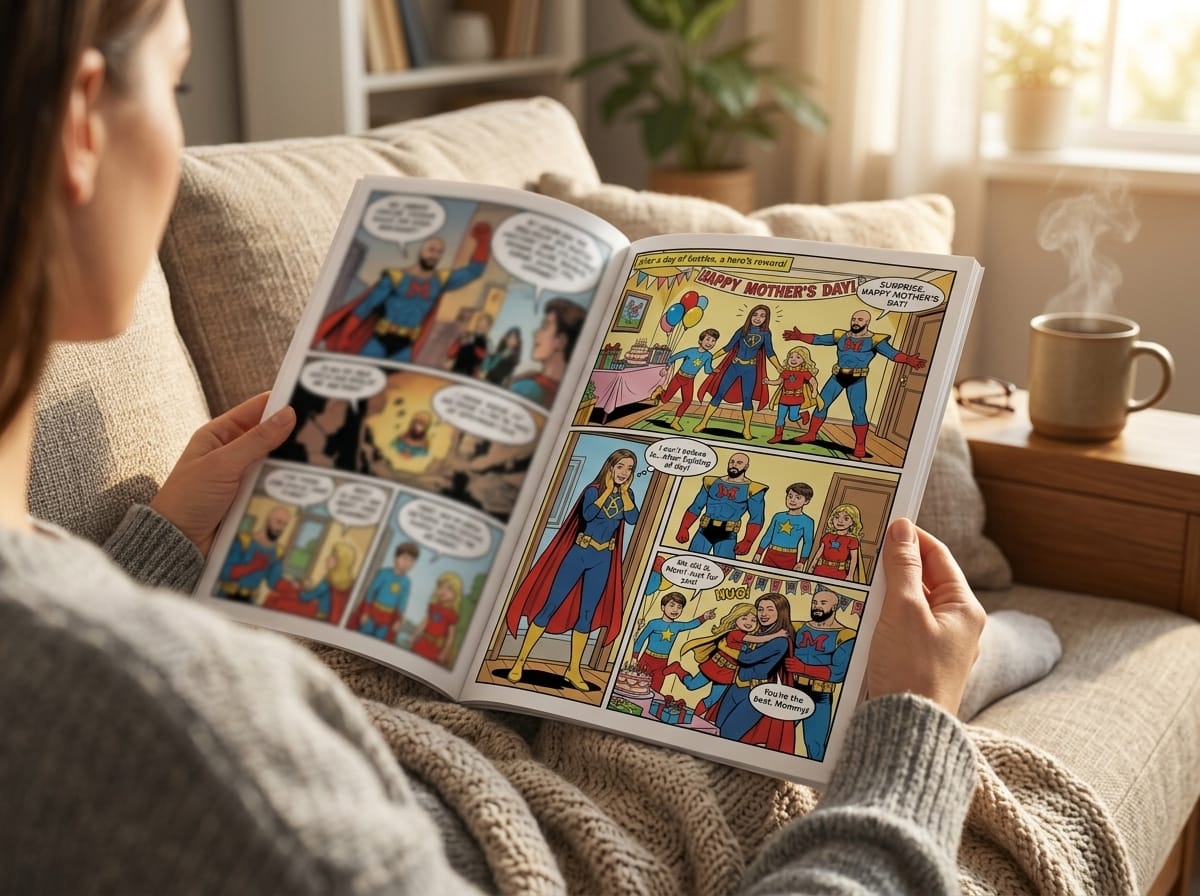
Personal comics work best when they're specific. A gift comic about a wedding, a graduation, a family trip, or a child's favorite hero gets stronger when it borrows the right lesson from the classics instead of copying their surface. Use contrast. Use recurring symbols. Use different art tones for different emotional registers. Most of all, make the reader feel that the page was made for them and about them, not for a generic audience.
That's the promise of PersonalizedComics. You can turn memories, ideas, and family history into a fully illustrated comic book without needing drawing skills, and you can shape the result with the same kinds of choices that made the books above endure. The classics didn't become classics by accident. They made brave formal choices, and your story can do the same.
If you've been waiting for the right moment to turn a memory, a gift idea, or a full story concept into a comic, this is it. Visit PersonalizedComics to turn photos and ideas into a polished comic book with your choice of art style, panels, speech bubbles, and narration, then start building a story that feels as personal and unforgettable as the classics you just read about.
Filed under Comics & Culture