The strongest plot twist ideas do more than surprise. They change the meaning of an image, a line of dialogue, a character's decision, or even the space around the characters. In comics, that change can happen through a repeated background detail, a silent reaction panel, a sudden shift in color, or a page turn that reveals what the characters couldn't see.
The ten ideas below focus on how twists work on comic pages. Each one includes ways to seed clues, control the reveal, preserve emotional logic, and adapt the concept for personalized characters. PersonalizedComics can help you test these choices by turning photos or descriptions into illustrated pages with panels, speech bubbles, narration, and sound effects.
1. The Unreliable Narrator
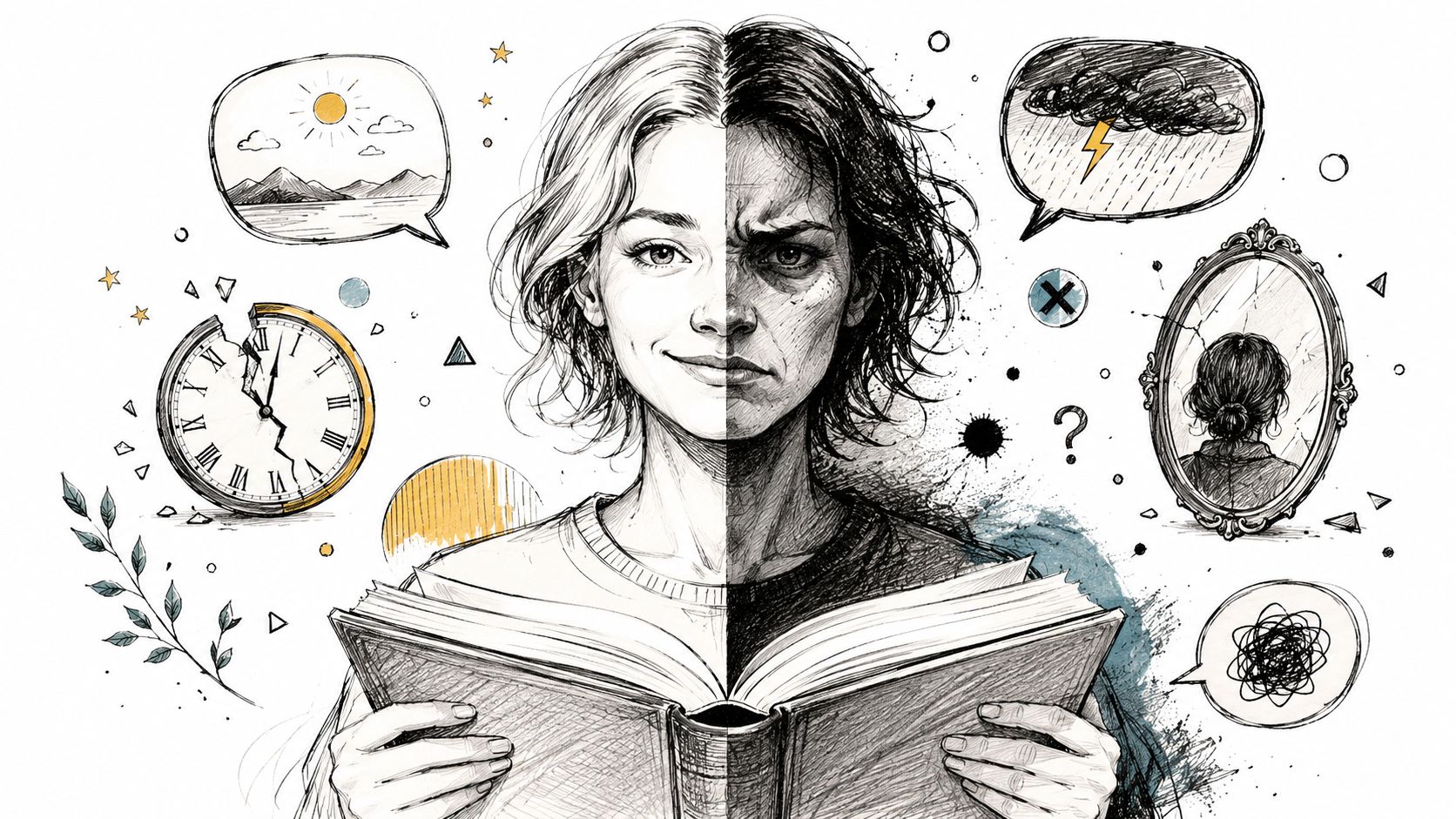
The narrator tells readers what happened, but the pictures disagree. That contradiction creates a powerful kind of tension because the audience must decide whether to trust the words, the images, or neither.
A narrator might be lying to protect someone. They might misunderstand their own memories. They might describe themselves as calm while every surrounding panel shows clenched hands, broken objects, or frightened faces. The reveal should force readers to revisit earlier pages and recognize that the narrator's version was incomplete or deliberately misleading.
Research in narrative psychology links effective twists with increased engagement because surprise creates a gap between expectation and new information that readers want to resolve. For comics, that means the reveal should create reinterpretation, not confusion. Research on plot twists in comics supports seeding traceable clues before the moment of discovery.
Build the contradiction into the page
Try these visual choices:
- Speech and expression: Let the narrator claim everything is fine while another character's face shows fear.
- Art-style irregularity: Use small shifts in line weight, color, or perspective whenever the narrator's account becomes unstable.
- Reframed reveal: Repeat an earlier scene from a more objective angle on the final page.
- Personal connection: Make the gift recipient the narrator, then reveal that their confident account left out the emotional truth of an important memory.
For a personalized project, the narrator could say, “I always knew exactly what to do,” while the artwork reveals hesitation at every important choice. Guidance on narration in comics can help you decide whether captions should describe action, memory, or a character's private interpretation.
Practical rule: Every misleading caption should still contain a clue that becomes meaningful after the reveal.
2. The Character Swap or Body Swap
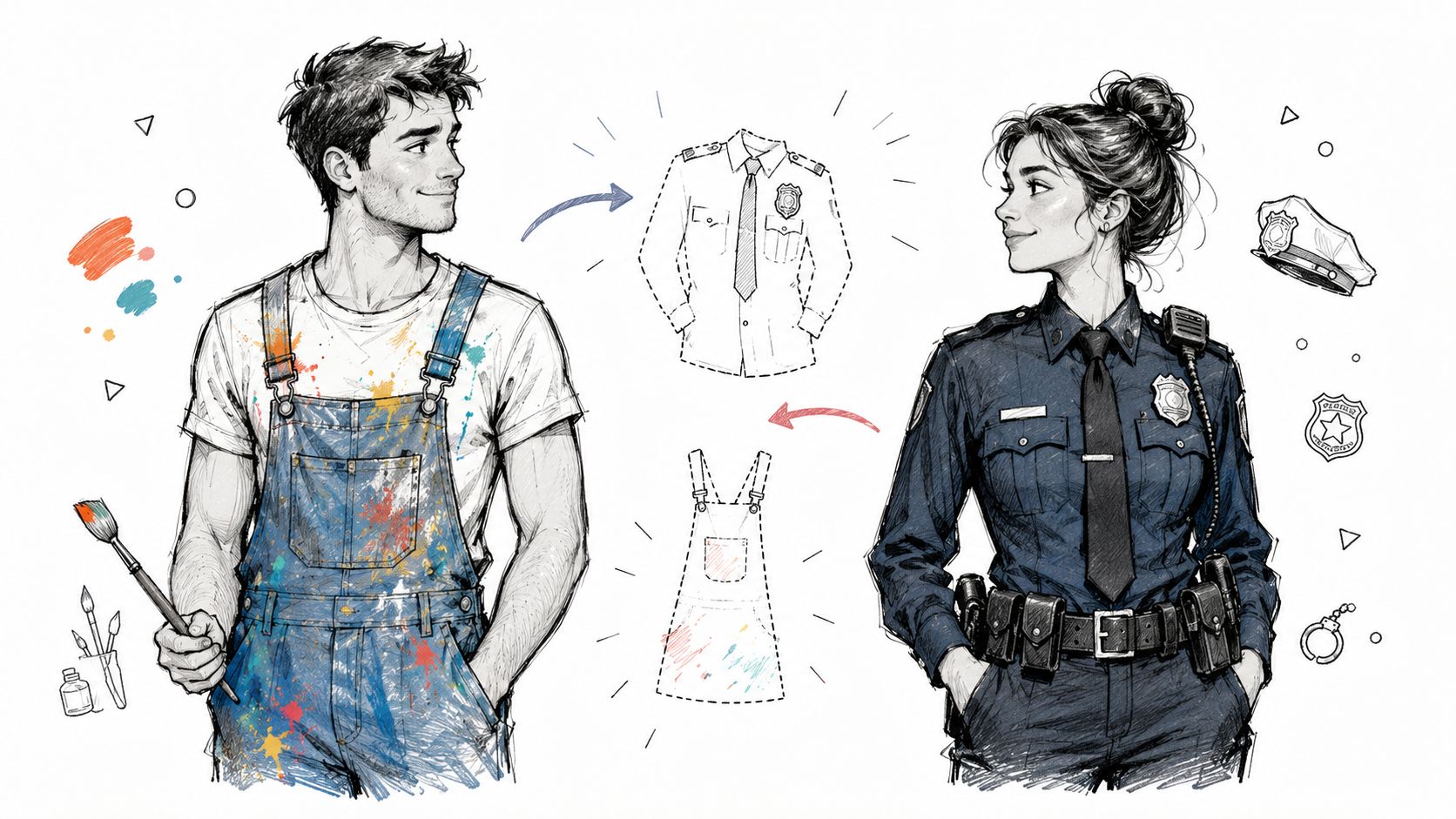
A character swap turns identity into a visual problem. The reader recognizes the body, costume, or face, but the personality inside has changed. That lets you create comedy, action, and emotional growth within the same sequence.
Suppose a cautious teacher wakes up in the body of an impulsive superhero, while the hero finds themselves trapped in the teacher's ordinary routine. The body language should tell the audience who's really present. The teacher may stand like a civilian even while wearing the hero's armor. The hero may gesture dramatically while holding a stack of lesson plans.
The twist works best when the swap creates a choice neither character could have made before. A character who has always judged another person suddenly has to protect that person's family, reputation, or responsibilities.
Keep the reader oriented
Use consistent visual markers rather than relying only on exposition:
- Speech lettering: Give each mind its own lettering style, even after the bodies change.
- Mannerisms: Preserve habits such as a nervous shoulder touch, a distinctive stance, or a particular way of pointing.
- Parallel panels: Show both characters attempting the other's daily life at the same moment.
- Costume details: Add a small recurring symbol to identify the original personality.
On the reveal page, don't explain the swap immediately. Show a familiar face making an unfamiliar decision. Then let another character notice the mismatch through dialogue or reaction.
For personalized characters, this idea can place two friends, relatives, or partners in each other's roles. The emotional payoff comes when each person discovers the work, fear, or care that the other has been carrying. The swap shouldn't end with a reset alone. Let both characters return with a changed understanding of one another.
3. The Villain Was Right
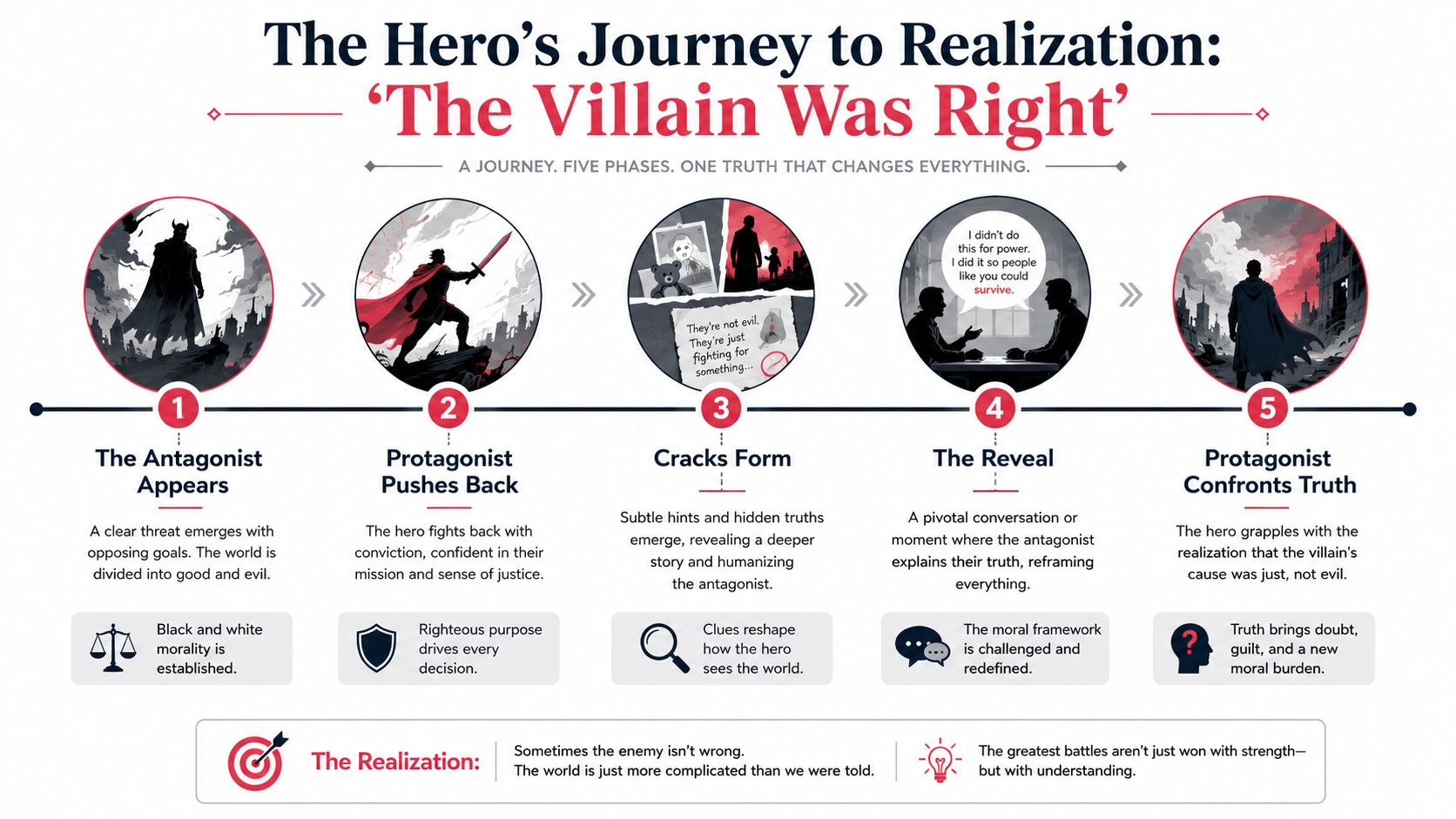
The hero defeats the antagonist, then discovers that the antagonist's warning was accurate. The villain may still have used cruel methods, but their central concern was valid. This twist complicates the moral structure without requiring the story to excuse harmful behavior.
A masked rival might oppose the hero's plan to activate a powerful machine. The hero sees the rival as selfish until a later page reveals that the machine once destroyed the rival's community. The rival's actions remain dangerous, yet the hero can no longer dismiss the fear behind them.
The reveal should arrive through evidence and personal history, not a sudden speech that changes everything. Show the antagonist noticing the same danger the hero overlooks. Use a repeated visual composition, with the villain standing beside the people they're trying to protect while the hero stands beside the institution they trust.
Give both sides a human cost
Build the antagonist's position across several page types:
- Memory panels: Show the event that shaped the villain's belief.
- Visual parallels: Mirror a hero panel and a villain panel so readers notice their shared priorities.
- Quiet evidence: Let background details confirm the villain's account before anyone says it aloud.
- Moral confrontation: Make the hero admit that the antagonist identified a real problem.
Writing guidance on villain character design can help you develop an antagonist whose appearance, behavior, and motivation support the same underlying idea.
The strongest ending doesn't make the hero surrender blindly. Instead, the hero changes the plan, accepts responsibility, or chooses a solution that addresses the danger without adopting the villain's methods. That choice gives the twist emotional weight.
4. The Time Loop or Circular Narrative
The opening page happens again at the end, but the reader now understands it differently. A time loop gives ordinary details a second function. A repeated door knock can become a warning, a phrase can become a message from the future, and a background object can show how much the character has learned.
Start with a clear visual anchor. It might be a red umbrella, a cracked window, a specific street corner, or a line of dialogue. Repeat that anchor at the end of each cycle, but change the character's expression or the surrounding details.
Make repetition feel purposeful
A loop becomes frustrating when every cycle repeats the same action. The character needs to gain information, lose something, or change their response. The reader should recognize progress through the page design.
- Chapter labels: Mark each cycle clearly enough that readers can follow the structure.
- Recurring details: Repeat small visual clues that become more important with each pass.
- Growing awareness: Change captions from confusion to recognition as the character learns.
- Circular composition: End with a panel that echoes the opening while adding a new visual meaning.
A comic outline can help you place the discovery, setback, and final choice in relation to one another. The comic book plot outline guide is relevant when you're mapping a loop across pages rather than treating it as a single surprise.
For a personalized comic, the loop could follow a birthday, wedding, reunion, or rescue that keeps going wrong. The final cycle becomes satisfying when the protagonist stops trying to control every detail and makes a different choice about the person they're trying to help.
5. The Dead All Along
A character appears to participate in the story, but the reveal shows they've been dead throughout it. They may exist as a ghost, a memory, or a presence only one character can perceive. This idea can be moving, frightening, or bittersweet, depending on the emotional promise of the story.
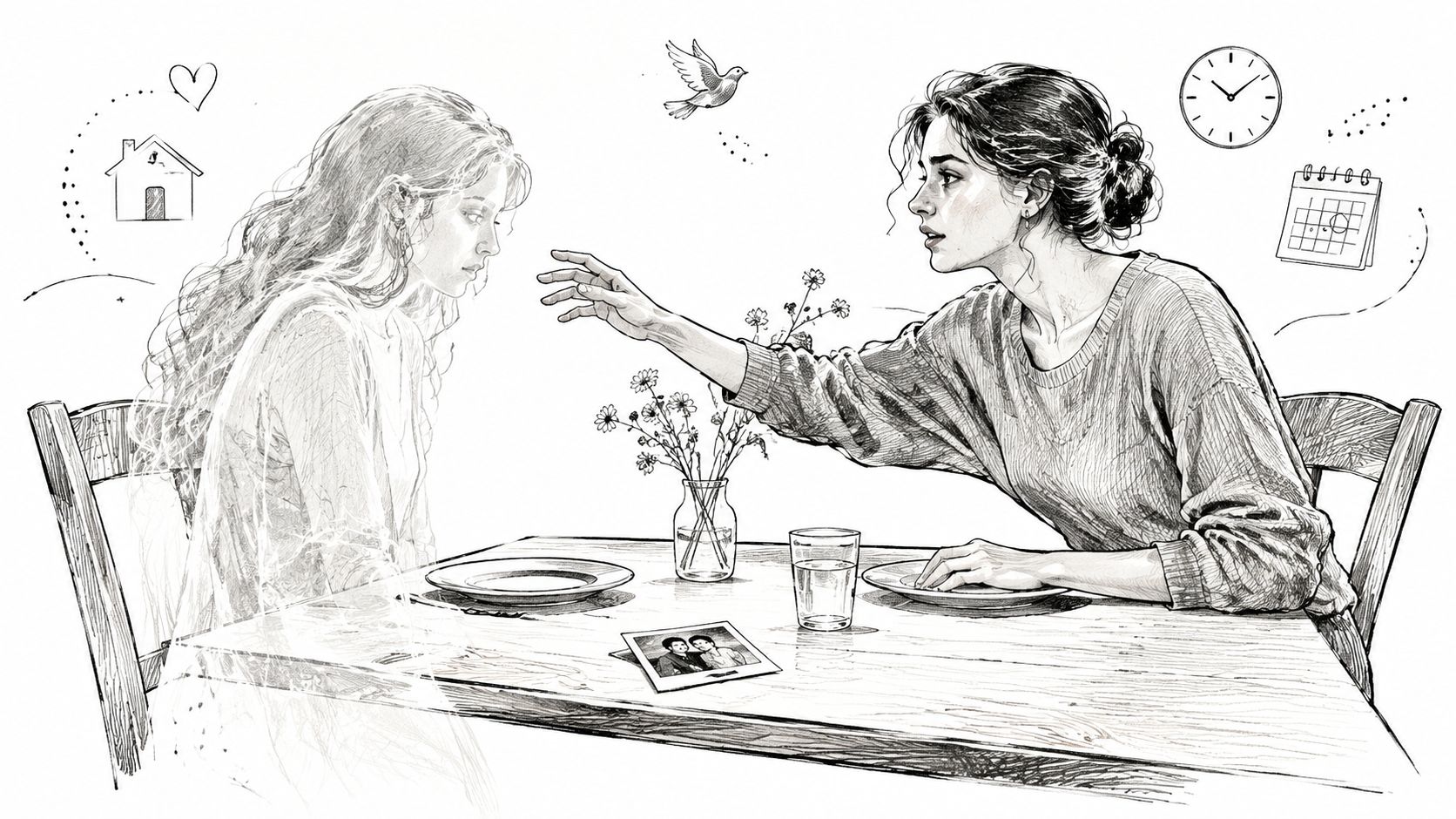
The twist needs fair visual treatment. A character who's never reflected in glass, never eats, or never interacts with the physical environment gives readers clues without announcing the answer. Don't hide every interaction from the audience. Instead, stage each one so it can support two interpretations.
For example, a daughter speaks with her late parent at a kitchen table. The parent offers advice, but never touches the cup placed in front of them. Other family members respond to the daughter, not the parent. On rereading, the page reveals that the daughter has been working through grief rather than receiving an ordinary conversation.
Let the final page move forward
The emotional climax shouldn't focus only on proving the character is dead. It should show what the living character does with that knowledge.
Use panel composition to create isolation. Place the living character in crowded scenes while giving the ghost generous empty space. At the reveal, reverse that relationship. The ghost may fade into a quiet background while the living character steps toward other people, a new home, or an unfinished responsibility.
For a personalized comic, this twist can honor someone the recipient misses without making grief feel like a trick. Seed the relationship through objects, shared phrases, and visual memories. The final choice might be a farewell, an act of forgiveness, or the decision to carry the person's values into the future.
6. The Alternate Reality or Different Timeline
Two versions of the same life unfold beside each other. One character accepted a job, opened a letter, entered a doorway, or saved a stranger. In the other timeline, they made a different choice. The twist arrives when readers understand that the story they followed wasn't the only possible version.
This structure is especially effective in comics because the page can show parallel actions at a glance. Use a split layout for matching moments. In one timeline, the character reaches for the phone. In the other, they let it ring. The panels should share enough composition to make the difference visible.
Create a navigation system
Readers shouldn't have to decode the timeline every time they turn a page. Establish a visual language early:
- Color palettes: Give each reality a consistent palette or lighting treatment.
- Panel borders: Use different border shapes or textures for each timeline.
- Character design: Change clothing, posture, scars, accessories, or facial expression to show the effects of different choices.
- Mirrored layouts: Repeat locations from similar angles, then place different people or objects in the frame.
The twist shouldn't merely reveal that another timeline exists. It should force the protagonist to choose what they value. Perhaps the “better” reality lacks the person they love. Perhaps the difficult timeline gave them the courage they now need. The emotional conclusion comes from accepting that a meaningful life can include loss, compromise, and change.
With personalized characters, alternate realities can explore two versions of a friendship, family relationship, or milestone. Keep the central emotional question stable while changing the circumstances around it. That gives the parallel worlds a shared center rather than turning them into unrelated stories.
7. The Perspective Shift
The same event looks different when another character tells it. A confrontation that seemed cruel may have been protective. A silent person in the background may have been making the most important decision on the page. The twist comes from realizing that the first version wasn't false, but it wasn't complete.
Comics offer a natural advantage here. You can repeat a scene from a new camera angle and reveal information that was outside the original frame. A close-up may show a hand passing a secret note. A wider panel may reveal someone watching from a doorway. A changed caption can expose the difference between what a character said and what they meant.
Repeat scenes with new information
Choose one visual feature to remain constant, such as a table, staircase, or window. Then alter the emphasis in each retelling.
- Hero's view: Show the threat they noticed.
- Friend's view: Show the expression or gesture the hero missed.
- Antagonist's view: Show the consequence that made their action seem reasonable.
- Unified page: Place the perspectives together so readers can see the complete event.
A perspective shift should change a relationship or decision. If the second viewpoint only adds trivia, the twist won't carry much force. Let the new information create empathy, responsibility, suspicion, or forgiveness.
Personalized characters work well in this format because familiar people often have different memories of the same moment. A family celebration, failed surprise, or childhood promise can be retold through several emotional lenses. The final page doesn't need to declare one person correct. It can show why each person remembered the event differently.
8. The Hidden Identity or Secret Family
A character's identity, parentage, or family connection changes the emotional meaning of the conflict. The hero may discover that the enemy is a parent. Two rivals may be siblings. A trusted mentor may have concealed a connection to the protagonist's past.
This twist is familiar, so the execution matters more than the basic reveal. Don't rely on a dramatic announcement alone. Plant a recurring object, phrase, scar, photograph, or visual resemblance. Let a minor character react oddly to the protagonist before readers understand why.
Make the reveal alter behavior
The reveal page should contain more than a surprised face. Show the character's immediate physical response, then follow it with a choice.
A hero might drop a weapon. A sibling might step between two enemies. A parent might refuse recognition because acknowledging the relationship would expose someone else. Use a page turn for the discovery, then slow down with close panels that capture breathing, eye movement, and hesitation.
After the reveal, revisit an earlier scene. A line that sounded like an insult may now be a warning. A locked room may have protected the protagonist rather than imprisoned them. A keepsake may have been evidence rather than decoration.
For personalized comics, secret-family twists can transform a gift story into a fictional family adventure. Keep the emotional center recognizable, even if the setting becomes fantasy, science fiction, or superhero fiction. The best version leaves the recipient with a new question about loyalty, inheritance, or chosen family.
9. The Meta or Fourth-Wall Break
The character realizes they're inside a comic. They may speak to the reader, climb through panel borders, interrupt narration, or challenge the page itself. The twist works when the formal experiment reflects the character's problem, rather than appearing as a random joke.
Begin with small violations. A character can notice that a speech bubble has appeared before they speak. They might point to a panel border and ask why the room ends there. A narrator can describe an action that the character refuses to perform.
Turn the page into part of the conflict
Comic structure becomes a storytelling tool:
- Panel borders: Let a character push through a border when they reject a limitation.
- Speech bubbles: Have a character grab, tear, or redirect a bubble.
- Captions: Create conflict between what the narrator writes and what the character says.
- Reader address: Use a direct look toward the audience only after the story has established ordinary visual rules.
The reveal becomes stronger when the character wants something from the narrative itself. They may try to prevent a tragic ending, escape a repeated role, or find the person controlling their choices. The emotional consequence could be freedom, isolation, or acceptance that a story still needs meaningful choices even when its structure is visible.
PersonalizedComics projects can use this twist playfully. A character might comment on their own speech bubble, complain about a missing background, or ask the reader to choose which version of an event feels true. Keep the disruption legible so the experiment adds meaning instead of making the page difficult to read.
10. The Sacrifice Was Unnecessary or the Prophecy Was Wrong
A character gives up their freedom, safety, relationship, or life because they believe a prophecy or piece of information leaves no other option. Later, the characters learn that the prophecy was misunderstood, incomplete, or just wrong.
This idea creates pain because the sacrifice was sincere. The character didn't make a foolish choice. They acted according to the evidence available to them. The twist should therefore examine communication, fear, and the danger of treating an interpretation as certainty.
Plant the false belief early. A mural may show a figure standing over a fallen crown. A mentor may translate an old warning in a way that supports their own agenda. A character may remember only half of a conversation. Give readers enough information to accept the belief while leaving room for another interpretation.
Show the cost in stages
Don't reveal the mistake in one explanatory panel. Let the truth surface through:
- A contradiction: An artifact or witness challenges the original interpretation.
- A conversation: Another character explains what the prophecy described.
- A reaction sequence: Show the survivor understanding the sacrifice before anyone says it aloud.
- Consequence pages: Contrast what was lost with what the characters needed to do.
The protagonist's next choice determines whether the twist matters. They may honor the sacrifice by protecting others, expose the person who manipulated the prophecy, or reject the entire system that demanded such suffering.
For personalized characters, this can become a heartfelt story about someone giving up a personal goal to help a loved one. The correction doesn't erase the sacrifice. It asks the characters to decide whether they'll remain trapped by guilt or use the truth to build a different future.
Comparison of 10 Plot Twist Ideas
| Twist | Implementation complexity | Resource requirements | Expected outcomes | Ideal use cases | Key advantages |
|---|---|---|---|---|---|
| The Unreliable Narrator | High, requires precise clue placement and pacing | Moderate, careful scripting, subtle visual inconsistencies | Strong emotional reveal; encourages re-reads | First-person/mystery comics; psychological stories; personalized roasts | Deep psychological insight; highly engaging on re-read |
| The Character Swap/Body Swap | Moderate, needs consistent mannerism tracking | Moderate, distinct visual markers and costume changes | Natural comedy and conflict; character growth | Humorous gifts; empathy exercises; visual storytelling | Immediate comedy and contrast; great for side-by-side panels |
| The Villain Was Right | High, needs nuanced, balanced moral framing | High, layered backstory and sensitive writing | Provocative, discussion-generating; moral ambiguity | Mature audiences; social-issue comics; workshops | Sophisticated themes; encourages critical thinking |
| The Time Loop/Circular Narrative | High, complex plotting to avoid confusion | High, strict visual continuity, iteration markers | Addictive, layered revelations; exploration of fate | Serial/webcomics; episodic speculative fiction | Reveals through repetition; shows character progression |
| The Dead All Along | Moderate, must plant believable but subtle clues | Moderate, visual cues (shadows, props), sensitive tone | Poignant recontextualization; strong emotional impact | Memorial or grief-focused comics; therapeutic gifts | Deeply emotional; memorable reinterpretation of scenes |
| The Alternate Reality/Different Timeline | High, manage parallel plots and intersections | High, multiple palettes/styles and navigation system | Philosophical exploration; multiple outcomes | "What-if" personalized comics; split-page storytelling | Visually distinctive; explores choice and consequences |
| The Perspective Shift | Moderate, repeat scenes with meaningful differences | Moderate, varied art/layout per viewpoint | Builds empathy; reveals truth through accumulation | Group gifts; educational comics; episodic formats | Encourages empathy; clarifies subjective truth |
| The Hidden Identity/Secret Family | Moderate, requires foreshadowing that feels earned | Moderate, planted clues and dramatic reveal art | Immediate emotional payoff; recontextualizes relationships | Origin stories; reunion/family-themed personalized comics | Strong emotional impact; works across genres |
| The Meta/Fourth Wall Break | Low–Moderate, playful structural experimentation | Low, layout manipulation and witty scripting | Entertaining; creates direct audience connection | Humorous personalized comics; satire; tension relief | Highly engaging; excellent for humor and commentary |
| The Sacrifice Was Unnecessary / The Prophecy Was Wrong | High, must balance tragedy and meaningful payoff | High, sustained setup and emotionally charged scenes | Poignant, tragic reflection; prompts discussion on belief | Apology/healing comics; cautionary or mature narratives | Emotional depth; highlights consequences of misinterpretation |
Turn the Reveal Into the Story's Emotional Payoff
A twist succeeds when it changes the meaning of the journey, not merely when it makes readers gasp. The reveal should affect what the protagonist believes, whom they trust, what they fear, or what they choose next. If the story would end in exactly the same emotional place without the twist, the reveal is probably decorative.
Start with the emotional effect. Decide whether you want readers to feel grief, relief, admiration, betrayal, wonder, or conflicted empathy. Then design the twist around that response. An unreliable narrator may create doubt. A hidden family connection may create shock followed by tenderness. A wrong prophecy may create sorrow because the characters acted honorably on incomplete information.
Next, decide what readers should notice on a reread. Choose two or three fair clues, not a pile of hidden explanations. A repeated object, an unusual reaction, and a carefully phrased line of dialogue can prepare the reveal without giving it away. In a comic, the clue can sit in the background or occupy a silent panel. Readers may not consciously register it at first, but they should recognize its importance later.
Map the reveal across the page rather than placing all the work in one speech bubble. A useful sequence might look like this:
- Setup: Establish the reader's assumption.
- Pressure: Give the protagonist a reason to act on that assumption.
- Contradiction: Introduce evidence that doesn't fit.
- Reveal: Use a page turn, visual reversal, or new viewpoint.
- Choice: Show how the protagonist responds.
- Aftermath: Let the new truth change a relationship or goal.
A surprise becomes a story when someone must make a different choice because of it.
Try combining one structural twist with one character-focused consequence. A time loop can reveal a character's fear of responsibility. An alternate timeline can expose unresolved grief. A villain-was-right reveal can force the hero to apologize, change alliances, or abandon a plan they once considered noble.
PersonalizedComics can help you turn that outline into visible pages. You can describe the characters, setting, dialogue, and reveal, then refine the pacing through panels, speech bubbles, narration, sound effects, and art-style choices. Looking at the twist as an actual sequence of images often exposes problems that are easy to miss in prose, such as a clue that's too obvious, a reveal that needs more breathing room, or an emotional reaction that deserves a close-up.
Before you finalize the comic, ask one direct question: What does the protagonist do now that they couldn't have done before the reveal? If you have a clear answer, your twist is doing structural work. If you don't, return to the character's motivation and rebuild the ending around a meaningful decision.
PersonalizedComics turns photos and ideas into illustrated comic pages with panels, speech bubbles, narration, sound effects, and multiple art styles, so you can test plot twist ideas in a finished visual format. Visit PersonalizedComics to create a personalized comic, refine your reveal, and share the completed story as a digital or physical keepsake.
Filed under Comic Craft