This guide walks through the full process of how to print a custom comic book, from formatting pages correctly to choosing finishes, covers, and print runs. Whether you are an indie creator, a brand producing a story-driven campaign, or someone turning memories into a one-of-a-kind book, the goal is the same: create a comic that looks intentional from cover to final page.
What Does It Mean to Print a Custom Comic Book?
Standard comic printing usually follows familiar industry specs: a common trim size, a limited range of paper choices, and straightforward cover options. By contrast, when you print a custom comic book, you have meaningful control over the finished product. That includes the book’s dimensions, total page count, cover stock, interior paper, finish, and binding style.
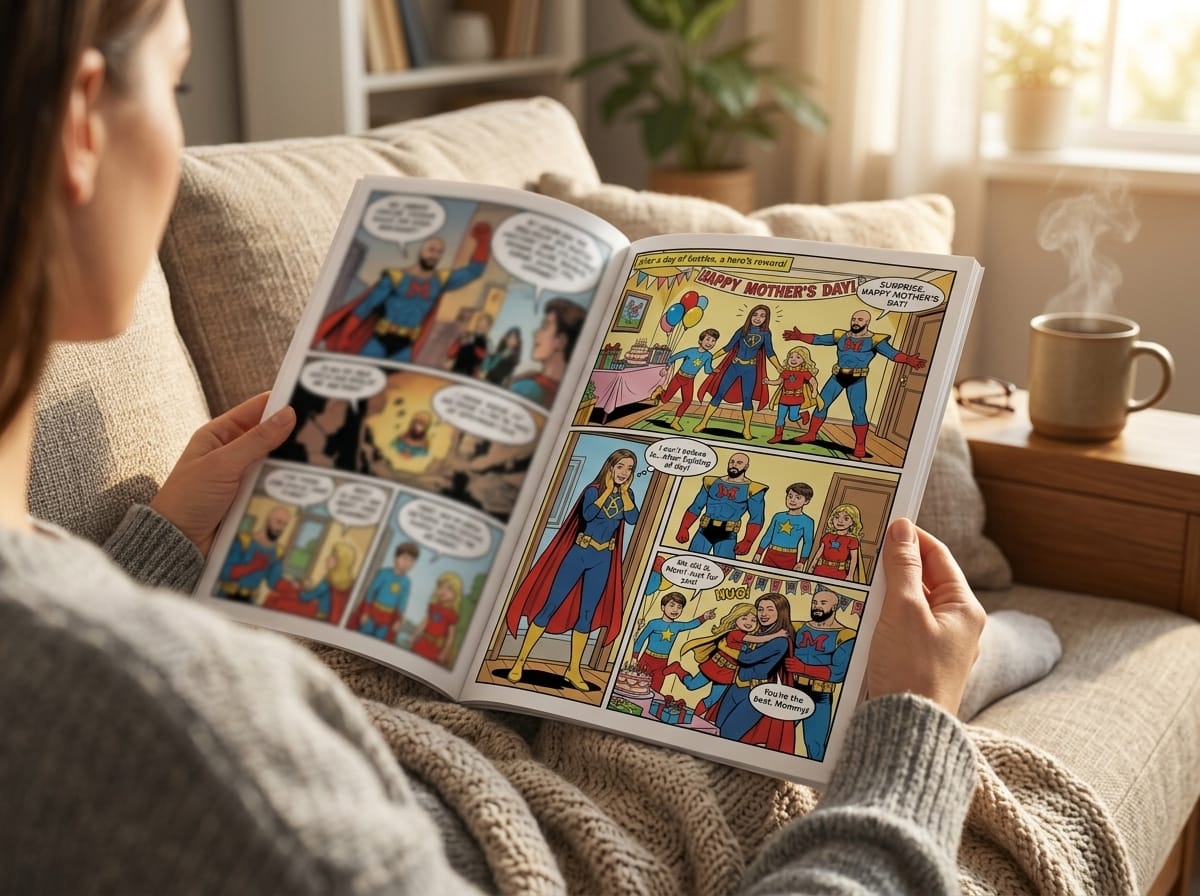
Customization matters because comics are more than containers for art. They are physical reading experiences. A noir-inspired short story might look stronger on a matte cover with slightly heavier stock, while a colorful superhero adventure may benefit from glossy pages that make bold inks pop. Even a small decision—such as whether the interior pages are coated or uncoated—can change how readers perceive the quality of your work.
Custom printing is especially useful for:
- Indie creators who want to self-publish with a professional feel without committing to massive inventory.
- Artists and writers launching limited editions, anthology projects, or special convention exclusives.
- Brands and educators using comics for storytelling, training, outreach, or promotional campaigns.
- Gift makers turning personal memories into unique printed keepsakes for birthdays, weddings, anniversaries, or family milestones.
That last category has grown quickly because comic books are no longer limited to traditional publishing. A custom comic can be deeply personal, which is why readers interested in memory-driven storytelling often explore ideas like a custom comic book love story or a memorable custom comic book gift.
To print a custom comic book well, think beyond “getting pages on paper.” You are choosing a format, feel, and presentation that shape how your story is experienced.
A comic can be brilliantly written and beautifully illustrated, but if the trim, paper, or binding are wrong for the project, the final product can still feel underwhelming. Print choices are part of storytelling.
How to Prepare Your Comic for Printing
Print quality starts with file quality. One of the most common mistakes creators make is designing for screens first and assuming those same files will translate perfectly to paper. They usually do not. Printing has technical requirements, and ignoring them can lead to blurry text, color shifts, cut-off artwork, or awkward panel placement.
Use print-ready files at 300 DPI
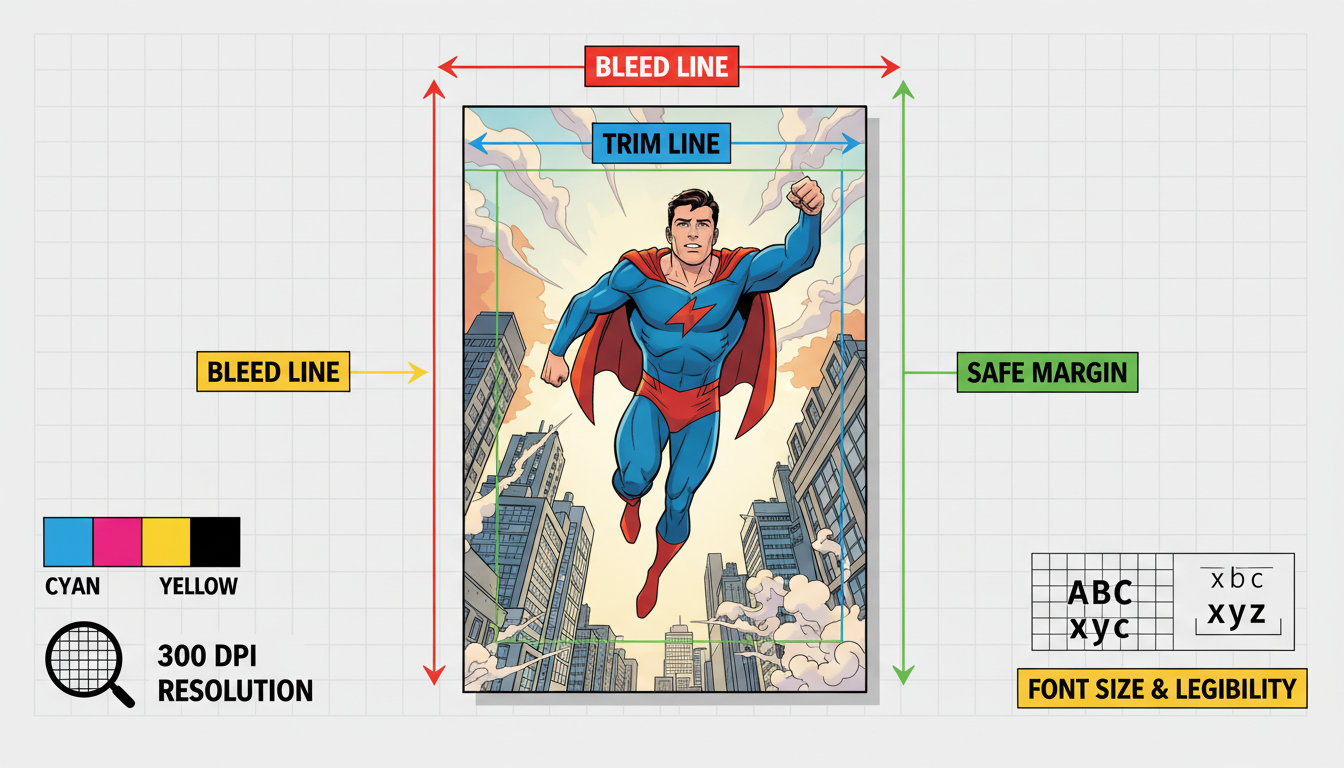
For most comic printing projects, 300 DPI is the standard resolution for final pages. That resolution keeps line art crisp, gradients smoother, and lettering readable. Lower resolutions may look acceptable on a monitor but become noticeably soft in print, especially in dialogue-heavy pages or detailed backgrounds.
If you scale up low-resolution art after the fact, you will not recover detail. Build your files at the proper size and resolution from the start. This is particularly important when your comic includes photo-based elements, digitally painted scenes, or hybrid collage layouts.
Set up bleed, trim, and safe zones correctly
Professional comic files include three critical zones:
- Bleed: artwork that extends beyond the trim edge so no white border appears after cutting.
- Trim: the final cut line of the printed book.
- Safe zone: the area inside the page where important text, faces, captions, and panel borders should stay.
If a speech bubble sits too close to the edge, a small trimming shift can clip the text. If full-bleed artwork does not extend past the trim line, you may end up with thin white slivers on the page edge. Printers usually provide templates, and you should always use them.
Work in the correct color mode
Most professional printers prefer CMYK files because commercial printing presses use cyan, magenta, yellow, and black inks. If you design entirely in RGB and convert late in the process, bright digital colors can dull or shift unexpectedly. Neon blues, intense greens, and high-saturation reds are common trouble spots.
When possible, preview your work in CMYK while designing. This helps you make color choices that remain strong on paper instead of only on screens.
Proofread every production detail
Before submitting your files, review:
- Page order and page numbering
- Dialogue spelling and punctuation
- Panel alignment and gutter consistency
- Cover spine width calculations, if applicable
- Back cover text, credits, and barcode placement
Even experienced creators miss simple issues when they have been staring at the same pages for weeks. Export a final proof PDF, review it on multiple devices, and if possible print a rough copy at home. A physical read-through reveals pacing problems and text crowding much faster than scrolling on a monitor.
If you are still in the creation stage, a practical first step is using a custom comic book maker or following a structured workflow like this guide on how to make a custom comic book with PersonalizedComics. That makes the move from concept to print far smoother.
Best Printing Options for a Custom Comic Book
Once your files are ready, the next major decision is format. The best printing option depends on page count, budget, durability needs, and what kind of impression you want your comic to make. There is no universal “best” format—only the one that fits your project.
Saddle stitch for classic single issues
Saddle-stitched comics are folded and stapled along the spine. This is the familiar format used for many standard comic issues. It is usually the most economical choice for shorter projects and works especially well for promotional comics, one-shots, event handouts, and convention-ready books.
Best for:
- Short comics and previews
- Lower per-unit budgets
- Traditional floppy comic presentation
- Fast-moving retail and convention sales
The tradeoff is that saddle stitching is not ideal for very high page counts. Once a book gets too thick, the format becomes less practical and the spine will not hold as cleanly.
Perfect binding for thicker books and graphic novels
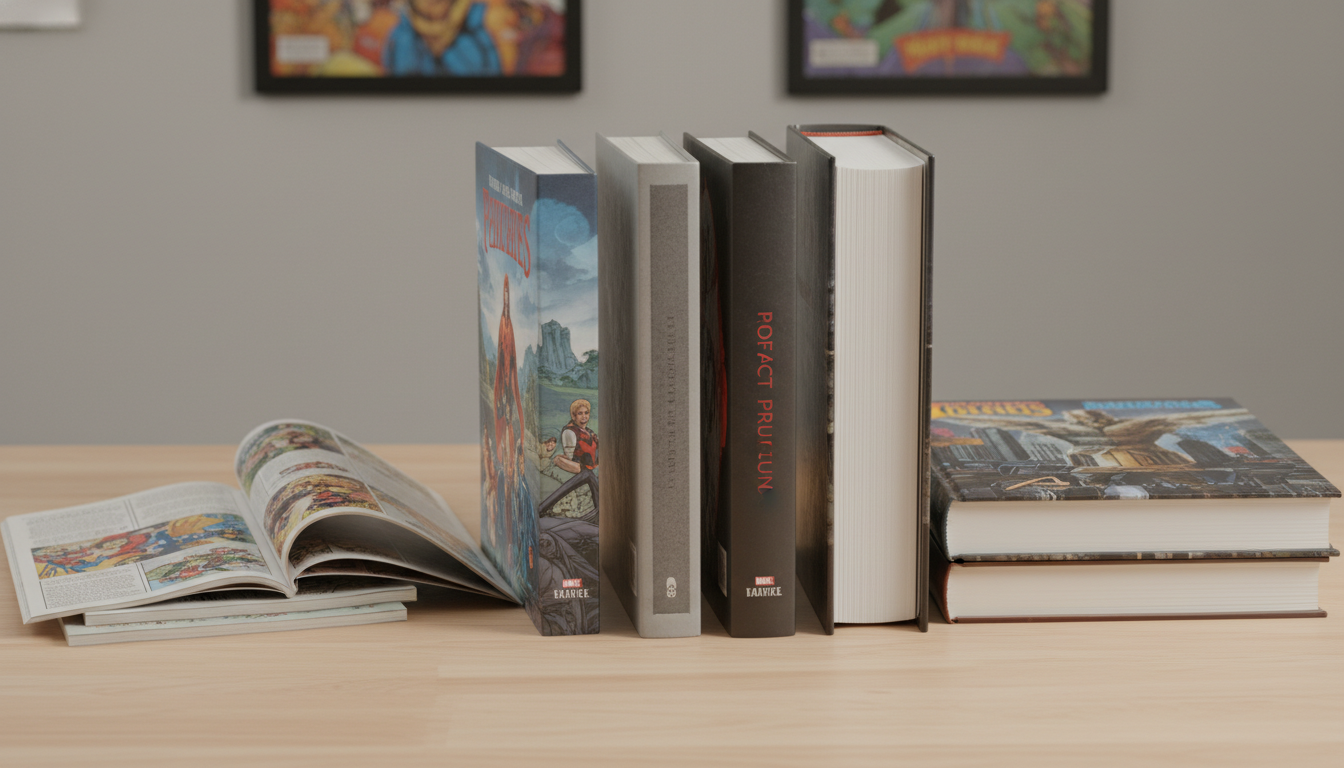
Perfect binding uses a glued square spine, giving the comic more of a bookstore or graphic novel appearance. If your project has a higher page count, this option looks more substantial and stores neatly on shelves. It also gives you spine real estate for the title, which helps with retail presentation.
Perfect bound books are a strong fit for collected editions, anthologies, instructional comics, and premium keepsake projects.
Hardcover for premium editions and heirloom projects
If your goal is a collector-quality object, hardcover is the premium route. It costs more, but it delivers durability, prestige, and giftability. This format makes sense for milestone projects, commemorative family books, deluxe editions, or branded books intended to leave a lasting impression.
Choose a size that matches the reading experience
Popular comic sizes remain popular for a reason: they are familiar to readers, efficient for printers, and easy to merchandise. But custom sizing can be effective if it serves the story. A compact format can feel intimate, while a larger trim can showcase painterly art or cinematic spreads.
Ask yourself:
- Will this be sold in comic shops, online, or at events?
- Do I want a traditional comic feel or a more art-book presentation?
- Does the story rely on dense detail that benefits from larger pages?
Glossy vs. matte finishes
Glossy finishes amplify color, contrast, and visual punch. They are often chosen for energetic, bright, commercial-looking comics. Matte finishes reduce glare and can feel more upscale or moody, making them a smart choice for literary, noir, or atmospheric work. Neither is inherently better. The right finish supports the tone of your comic.
Digital printing vs. offset printing
For small batches, short runs, and testing new ideas, digital printing is often the practical option. It offers flexibility and lower upfront risk. Offset printing becomes more cost-efficient at higher volumes and can provide exceptional consistency across large runs, but it usually requires a bigger commitment.
Use digital for shorter runs and experimentation. Consider offset when you have validated demand and need larger quantities at a lower per-unit cost.
Choosing the Right Paper, Cover, and Binding
When readers pick up a comic, they make judgments before reading a single panel. Paper texture, cover stiffness, and binding quality all communicate value instantly. If you want your book to feel professional, these production details deserve just as much attention as the script and artwork.
Interior paper affects color, readability, and tone
The best paper for comic book printing depends on your art style. Full-color comics typically benefit from coated stock because it holds detail and saturation well. Black-and-white interiors can look fantastic on uncoated or lightly coated paper, especially if you want a more tactile, indie, or sketchbook-like feel.
Here is a practical way to think about it:
- Gloss or silk coated stock: great for vibrant color, sharp contrast, and polished commercial presentation.
- Matte coated stock: strong for color while reducing glare and adding sophistication.
- Uncoated stock: useful for specific artistic effects, softer tones, or zine-inspired aesthetics.
Paper weight matters too. Pages that are too thin can feel flimsy or allow show-through from the reverse side. Pages that are too heavy can make a comic bulky and expensive. The sweet spot depends on the format and intended price point.
Cover stock shapes first impressions
Heavier cover stock improves durability and helps your comic feel substantial in hand. It also supports stronger print finishes and resists bending during shipping and display. If you plan to sell at conventions or mail copies to customers, stronger cover stock is often worth the added cost.
A premium cover can elevate the perceived value of the entire comic, even when the interior remains cost-conscious.
Binding is both a cost and quality decision
Binding affects how the comic opens, how long it lasts, and how readers store it. Saddle stitch is affordable and familiar. Perfect binding looks more substantial. Hardcover offers the longest lifespan and the strongest gift appeal. Choose based on the project’s purpose, not just the cheapest available option.
If your comic is meant to be treasured, displayed, or reread often, durability should be part of your budget from the beginning—not an afterthought.
Always order a physical proof
No screen can fully simulate print. A physical proof lets you test the real-world feel of the paper, spot color shifts, confirm trim accuracy, and judge whether your cover design has the shelf presence you imagined. Even if it adds time, a proof is one of the smartest investments in the entire process.
That proof is where you discover whether blacks are rich enough, speech bubbles read cleanly, line weights are strong, and skin tones print naturally. It is much better to catch those problems on one copy than on 100 or 1,000 copies.
Custom Comic Book Printing for Self-Publishing and Promotion
Custom comic printing is not just for aspiring comic publishers. It has become a flexible format for entrepreneurs, educators, creators, and marketers who want a stronger storytelling vehicle than a brochure or standard booklet can provide.
Selling comics as an indie creator
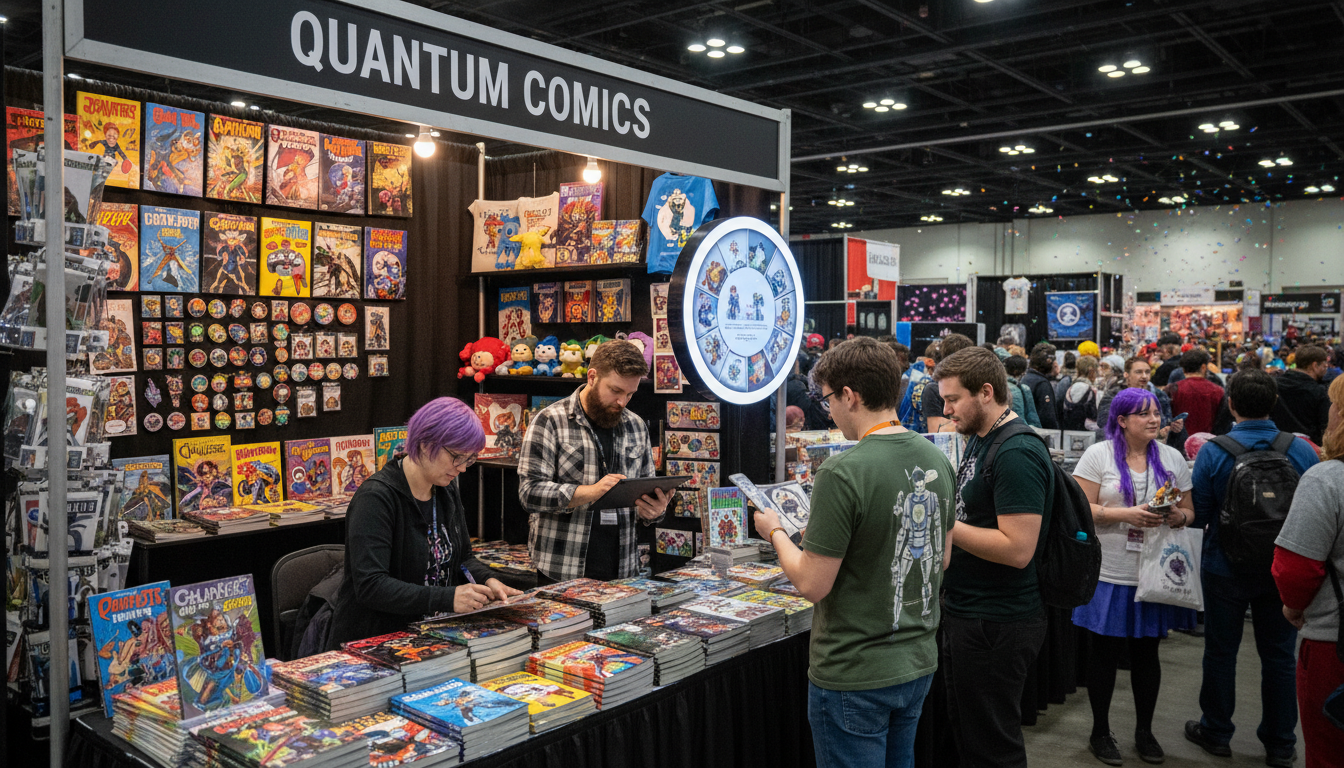
If you plan to self publish and print comic book projects, your sales channel should influence your print decisions. Comics sold at conventions need to be eye-catching, stack neatly, travel well, and hit a price point that readers can buy impulsively. Comics sold online need covers that photograph well and packaging that protects corners and spines in transit.
Creators commonly sell through:
- Convention booths and artist alleys
- Personal online stores
- Marketplace platforms
- Local comic shops and indie bookstores
- Crowdfunding campaigns and pre-order launches
Using custom comics for branded storytelling
Businesses increasingly use comics to explain products, tell brand origin stories, onboard customers, train teams, and create memorable campaign pieces. A comic can simplify complex information while staying entertaining. That gives it a unique advantage over many traditional marketing assets.
For example, a company might print a short custom comic for trade shows, direct mail campaigns, or educational outreach. Schools and nonprofits can use comic formats for literacy engagement, public health messaging, and community storytelling.
Small batches make testing easier
Short-run printing is ideal for creators who want to test demand before scaling up. You can print a limited edition, bring it to an event, gather feedback, and refine future issues based on real audience response. This is especially helpful for first-time creators who are still learning how readers react to their format, pricing, and presentation.
Small-batch printing is also excellent for:
- Kickstarter reward tiers
- Numbered collector editions
- Pilot issues and sample chapters
- Event exclusives and seasonal promotions
Presentation and fulfillment matter
Printing a strong comic is only part of the job. If you are shipping direct to customers, protect the product with rigid mailers, sleeves, backing boards, or custom packaging based on the format. A bent corner or scuffed cover can undo the premium impression you worked hard to create.
Packaging also contributes to repeat purchases. Readers remember when a comic arrives safely, looks sharp, and feels thoughtfully prepared.
Tips to Get the Best Results When You Print a Custom Comic Book
By this point, you know the major technical and creative decisions. The final step is making those decisions with fewer surprises and better outcomes. These practical tips can save money, prevent mistakes, and improve the finished book.
Choose a printer with useful support tools
The best custom comic book printing services do more than take files and send invoices. They offer templates, explain spine calculations, provide proofing options, and answer production questions clearly. Responsive support is especially important when you are printing for the first time or working on a deadline.
Request sample packs before deciding
Sample packs let you compare stocks and finishes in your hands rather than guessing online. What looks subtle in a spec list can feel dramatically different in person. If your budget allows only one upgrade, a sample pack helps you spend that money where it makes the biggest difference.
Check turnaround times and minimum quantities
Not every print job runs on the same schedule. Convention launches, holiday gifts, crowdfunding fulfillment, and promotional campaigns all have hard deadlines. Review production windows carefully and add buffer time for proof approval, shipping delays, and possible revisions.
Also check minimum order quantities. Some printers are better for tiny runs, while others are structured around larger jobs.
Think about discoverability if you plan to sell online
If your comic will be listed on your site or marketplace pages, your product title, cover image, and description matter. Use clear keyword language naturally—terms like print custom comic book, custom comic book printing, or personalized comic gift can help your pages align with search intent. That does not mean stuffing keywords. It means describing the product the way buyers actually search for it.
Creators using AI-powered tools to generate personalized stories can also build a compelling production workflow. For example, PersonalizedComics allows users to turn photos and ideas into fully illustrated comics in minutes, choose from 8 art styles, and generate complete pages with panels, speech bubbles, and sound effects—making it easier to move from concept to print-ready storytelling.
It is a useful path for creators who want to prototype quickly, personalize stories for real people, or create comics for gifts, events, and branded projects without needing traditional illustration skills.
Before placing your order, confirm file resolution, bleed settings, color mode, page count, trim size, paper stock, cover finish, binding type, proof approval, turnaround time, shipping method, and final unit cost.
Conclusion: Create a Comic Worth Holding Onto
To print a custom comic book successfully, you need more than a good story. You need the right production plan. That means preparing pages at proper resolution, using accurate bleed and trim settings, selecting paper that suits your artwork, and choosing a binding format that matches your goals and budget.
If you are producing a short-run single issue, a convention-ready promotional comic, a personal love story, or a premium keepsake, your print decisions directly affect how professional the final book feels. The strongest projects treat printing as part of the creative process rather than a final technical task.
For creators who want a simpler path from idea to finished comic, tools and workflows matter. Whether you are experimenting with a personalized story, building your first issue, or planning a printed gift, start by making the digital comic as strong as possible—then use this guide to turn it into something tangible and memorable.
Next step: finalize your page specs, request a sample pack or proof, and make one careful test print before committing to a larger run. That single step can dramatically improve your final result.
Ready to Print Your Custom Comic Book?
Use this guide to choose the right format, prepare your files correctly, and make smart printing decisions from the start. If you are still shaping the story itself, begin with a streamlined creation workflow and move into print once your pages are dialed in.
For more inspiration, explore how creators use comics for romance, gifting, and personal storytelling through ideas like a custom comic book love story or a one-of-a-kind custom comic book gift. And if you are just getting started, this guide to a custom comic book maker is a practical place to begin.
Filed under Making Your Comic