That choice matters more than most beginners expect. Some types of comic work best when the joke has to hit fast. Others need room for character turns, quiet pauses, or big visual reveals. A romance built like a newspaper strip often feels rushed. A gag stretched to graphic-novel length usually feels thin. The format shapes the reading experience as much as the plot does.
That split has deep roots in comics history. One of the biggest distinctions is between the comic strip and the comic book. Newspaper strips became a mass medium in the late nineteenth-century United States, with The Yellow Kid appearing in 1895 and helping define early strip culture, while the comic book emerged as a distinct publishing form in the 1930s, with Action Comics No. 1 in 1938 marking a major superhero milestone, as noted in this history of statistical graphics and comics. That's why “types of comic” still get grouped by format, not just by genre.
What follows is the practical version. Ten comic types, what each one does well, where each one tends to fail, and how to build it with PersonalizedComics even if you can't draw at all.
1. Manga
Manga is the format people reach for when they want emotion pushed all the way to the surface. The faces are more expressive, the action beats are more elastic, and even quiet scenes can feel charged if the panels breathe properly. That makes manga a strong fit for friendship stories, rivals, school drama, action arcs, and slice-of-life stories with big internal feelings.
It's also a huge part of the current comic world. In Japan, the manga market reached about 704.3 billion yen in 2022, with print comic magazines at 77.5 billion yen and comic books at 426.8 billion yen, while digital manga drove much of the remaining share and growth, according to the Japan market summary cited here. If you want a format with broad reader familiarity, manga is one of the safest bets.
What works in manga style
PersonalizedComics is especially useful here because manga depends so much on character consistency. If your lead character's eyes, hair silhouette, and outfit details drift from page to page, the story loses impact fast. Use uploaded photos or a very stable written description, then keep the same shorthand traits in every prompt.
A few practical choices help:
- Push expressions hard: Ask for shock, embarrassment, determination, panic, or deadpan reactions. Subtle expressions often read flat in manga-inspired pages.
- Write movement into the prompt: Mention lunging, turning, sprinting, falling, or pointing. Static poses kill action scenes.
- Leave space for effects: Speed lines, impact bursts, and exaggerated reaction panels are part of the language.
Practical rule: If the emotional beat is the point, let the panel focus on the face. If the action beat is the point, simplify the background and let motion dominate.
For readers who want more background on the form itself, PersonalizedComics has a helpful post on the origin of manga.
Where creators get it wrong
The common mistake is copying manga's surface traits without using its pacing. Big eyes alone won't make a page feel like manga. You need contrast between compressed action and expanded emotion. One page can hold a sprint, a stare, and a silent reaction if the panel rhythm supports it. If every panel is equally dense, the page feels noisy instead of dramatic.
2. Graphic Novel
A graphic novel is the right choice when your story needs room to develop consequences. It's less about the punch of one page and more about sustained momentum, layered themes, and scenes that can sit with a reader. Family history, memoir, literary adaptation, social drama, and long-form speculative fiction all tend to fit here.
With PersonalizedComics, the smartest way to approach a graphic novel isn't to try making the entire book at once. Build a proof of concept first. Create a short opening sequence, a key confrontation, and one emotionally quiet scene. That gives you a visual bible for the rest of the project.
Build it like a prototype first
Think in chunks, not in one massive sprint. A strong graphic novel usually needs recurring visual logic: how the protagonist stands, what the world looks like at night, how flashbacks differ from present-day scenes, and how dialogue-heavy pages stay readable.
Use the tool in stages:
- Test character designs early: Generate the main cast in neutral poses before locking scenes.
- Create sample sequences: Make a few pages with different emotional temperatures.
- Use physical copies strategically: Printed samples are useful for portfolio reviews, gifting, or checking whether pacing still works off-screen.
If you're developing a longer project, the best companion resource is PersonalizedComics' guide on how to write a graphic novel script.
Graphic novels also reward restraint. Don't overdecorate every panel. If the story is emotionally dense, clean layouts usually beat flashy ones.
Best use case for AI here
AI helps most at the early development stage. You can test whether a memoir should feel stark and monochrome, painterly and intimate, or grounded and cinematic before spending months committing to one look. That doesn't replace writing discipline. It just lowers the cost of visual experimentation.
A graphic novel fails when every page tries to be a poster. Readers need visual rest.
3. Webcomic
Webcomics reward speed, consistency, and format awareness. They're less tied to old publishing gatekeepers, which is exactly why so many creators use them to build an audience around humor, fandom, diary-style storytelling, gaming culture, romance, or serialized drama.
But “webcomic” isn't one look. It can mean a gag strip posted on social media, a page-based comic on a creator site, or a vertical-scroll story designed mainly for phones. That layout question matters. Comics depend on panel transitions, gutters, and what readers infer between panels, and those reading mechanics are often overlooked even though they control clarity and pacing. A benchmark discussed in this overview of comic comprehension and closure notes that even advanced AI systems struggle with temporal narrative reordering and visual narrative comprehension in silent comics. Humans read those gaps naturally. Tools still need guidance.
Use PersonalizedComics for consistency, not just speed
The biggest webcomic advantage is cadence. You can publish regularly. PersonalizedComics helps if you treat it like a production assistant rather than a magic button. Batch-create pages or strips ahead of time, then schedule them so you're not improvising every upload.
A practical workflow:
- Pick one visual lane: Don't alternate styles every week unless the format itself is a joke.
- Design for small screens: Large speech balloons and simple silhouettes read better on phones.
- Create buffer pages: Build ahead when inspiration is high.
For inspiration, PersonalizedComics also has a roundup of best web comics.
What usually fails online
Creators often cram page-density into mobile reading. That's a mistake. If your webcomic will live on phones, simplify panel counts, keep dialogue short, and make each update feel complete enough to reward the reader. A strong webcomic update doesn't need to be long. It needs to be readable and worth returning for.
4. Comic Strip
Comic strips are short, disciplined, and brutally honest about weak writing. If the joke, observation, or emotional turn doesn't land by the last panel, the strip is dead. That's why strips are such good training. They force you to cut setup, clarify character voices, and find the one image that sells the beat.
Historically, strips are one of the oldest mainstream comic forms. As noted earlier, newspaper strips became standard entertainment in the daily press after the rise of characters like The Yellow Kid. That heritage still shapes the form now. Even when strips live on Instagram instead of newsprint, readers expect economy and rhythm.
Why strips are great for PersonalizedComics
This is one of the easiest types of comic to make with AI because you don't need a massive world bible. You need recurring characters, a stable setting, and a reliable tone. Three or four panels are often enough.
That makes strips ideal for:
- Inside jokes: Turn a recurring family story into a weekly bit.
- Workplace humor: Build office archetypes and reuse them.
- Pet comics: Animal personalities shine in short-form structure.
The mistake is trying to squeeze a full dramatic arc into strip length. A comic strip needs one turn. Setup, contrast, punchline. Or setup, pause, emotional reveal. If the strip needs explanatory narration to make sense, it should probably be a page comic instead.
A practical creation trick
Create a recurring cast sheet in PersonalizedComics first. One nervous character, one overconfident character, one grounded observer. Once those roles are clear, you can generate a lot of strip ideas without reinventing everyone's look each time.
5. Noir and Detective Comics
Noir works when the story benefits from tension, doubt, and a little visual menace. It's perfect for mysteries, betrayals, urban drama, revenge stories, and personal narratives that need more edge than sentimentality. Even a simple story can feel richer when it's filtered through shadow, rain, and hard choices.
PersonalizedComics' noir style can do a lot with contrast alone. A dim hallway, a face half in shadow, a city street at night, a crooked office lamp. Those images carry narrative weight before a single line of dialogue appears.
Where noir earns its keep
Noir isn't just “make it dark.” It needs moral pressure. Someone wants something. Someone's lying. Someone already made a bad decision and the story is about the fallout.
Use this style when you want to create:
- Mystery gifts: A partner becomes the detective solving an anniversary “case.”
- Stylized memoir pages: A stressful career story or personal turning point can gain shape through noir framing.
- Crime-inspired fiction: Missing heirlooms, cold cases, neighborhood rumors, family secrets.
Shadows only work if the reader still knows where to look. Keep the focal point obvious.
What not to do
Beginners often overdo narration in detective comics. A little inner monologue helps. Too much and the art becomes wallpaper. Let the lighting, posture, and environment pull some of the story load. In PersonalizedComics prompts, mention practical scene anchors like venetian blinds, wet pavement, cigarette smoke, alley light, desk lamp, file folders, or trench coat silhouette. Those cues do more than the generic word “noir.”
6. Superhero Comics
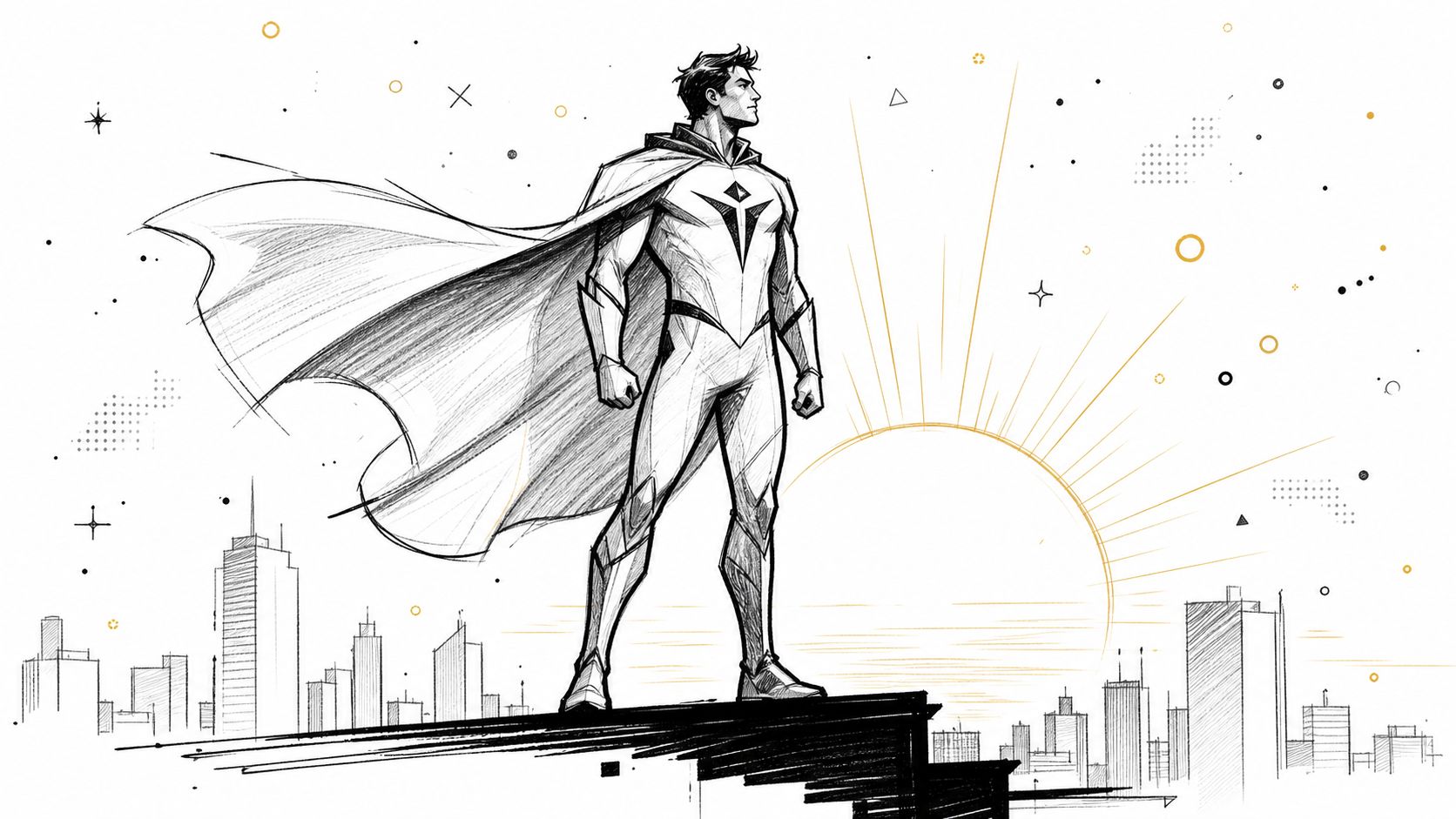
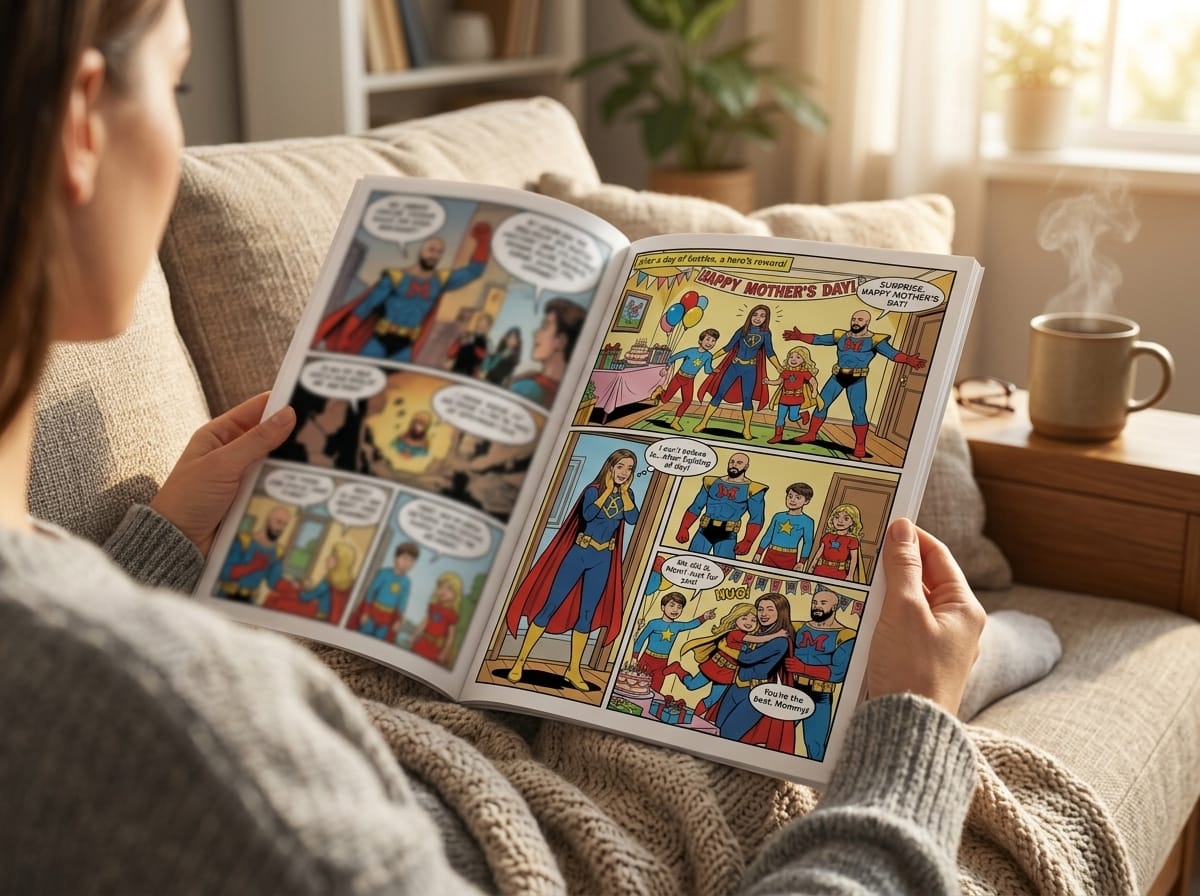
Superhero comics are still the easiest format for many readers to understand instantly. A costume tells you who matters. A power set creates visual variety. A villain gives the conflict a face. If you're making a gift comic or a fun personal project, this format is hard to beat because people immediately enjoy seeing themselves transformed into larger-than-life versions.
The superhero comic book tradition also ties back to one of the defining milestones in comics history. Action Comics No. 1, released in 1938, helped define the superhero comic-book era through Superman's debut, as noted earlier in the historical distinction between strips and comic books.
Best PersonalizedComics use cases
This format shines when you personalize it aggressively. Don't make a generic hero. Make your brother the speedster who's always late. Make your friend the cosmic librarian. Make a wedding party into an ensemble team with clashing powers.
A few strong directions:
- Origin stories: Great for birthdays, graduations, and retirement gifts.
- Team books: Perfect for friend groups, D&D parties, or coworkers.
- Convention branding: Cosplayers and creators can turn a persona into a shareable comic identity.
Superhero pages also benefit from bold verbs. Leap, crash, blast, dodge, shatter, swing. If your prompt language is sleepy, the page will be too.
The main trade-off
Action is easy. Stakes are harder. A lot of AI-made superhero pages look decent but feel empty because nobody wants anything beyond “save the city.” Give the hero a personal problem. Pride, fear, guilt, rivalry, secrecy. Once that's in place, the powers become storytelling tools instead of costume accessories.
7. Watercolor and Illustrated Comics

If superhero comics sell impact, watercolor and illustrated comics sell feeling. This style works best when the point of the story is intimacy rather than velocity. Love stories, family milestones, grief memoirs, travel memories, and child-centered stories often become more affecting when the art softens the edges.
PersonalizedComics is especially good for gift-making here. A wedding memory, the story of how two people met, a parent-child keepsake, or a tribute to someone important all gain warmth from a painted look.
Why this style works in print
Illustrated comics often look good on screens, but they usually look better when printed. Softer color transitions, page texture, and breathing room between panels matter more in this style than in punchier digital-first formats. If the comic is meant to be held, reread, and given as a present, watercolor is a smart choice.
Use it for scenes like:
- Quiet conversations
- Memory sequences
- Seasonal settings
- Emotion-first storytelling
Soft art still needs clear storytelling. Don't let atmosphere replace readable expressions and panel flow.
A common mistake
Creators sometimes pair watercolor art with overloaded dialogue. That clashes. This style usually wants shorter lines and stronger visual pauses. Let one panel carry a glance or a shared gesture without explaining it. The style is already doing emotional work for you. Give it room.
8. Cyberpunk and Science Fiction Comics
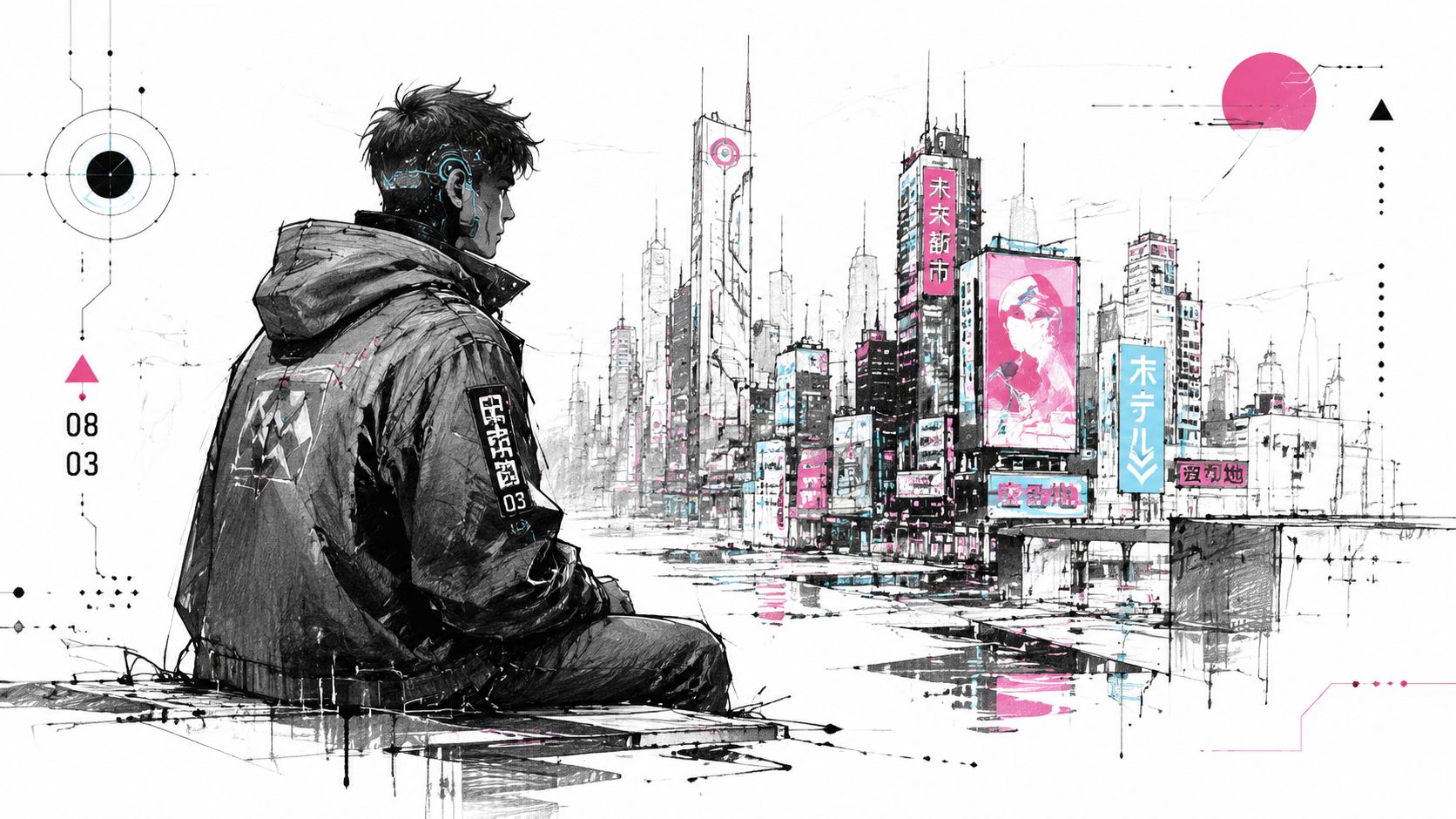
Cyberpunk comics are where design can carry half the premise. Neon signage, synthetic limbs, crowded skylines, surveillance screens, reflective streets, and corporate towers tell the reader what kind of world this is before the plot starts speaking. That makes the style a natural fit for streamers, gamers, tech creatives, and anyone who wants a futuristic personal avatar or branded comic story.
This is also one of the clearer growth areas in digital comics. In the global digital comic market, manga holds the dominant type segment with a 59.8% share in 2024, and subscription-based models account for about 73.6% of revenues, according to this digital comic market analysis. That doesn't mean cyberpunk is the biggest genre. It does mean digital-first reading habits strongly shape what visual formats work online, and science fiction often thrives in those spaces.
How to make cyberpunk pages read well
The risk is visual overload. Cyberpunk invites detail, but detail can bury the story if every surface glows and every panel contains ten focal points. PersonalizedComics can generate striking cityscapes, but you still need scene hierarchy.
Keep these priorities in mind:
- One visual anchor per panel: the face, the device, the threat, or the skyline
- Color discipline: neon accents work better when they contrast with darker surroundings
- Human stakes: identity, memory, debt, control, rebellion
Best personalized angle
This style is excellent for reimagining someone's real life through a speculative lens. A student becomes a data courier. A musician becomes a synth-city outlaw. A couple becomes fugitives crossing a corporate megacity. When the world is huge, keep the character goal simple.
9. Retro Pop and Vintage Comic
Retro pop comics win on charm. Bold colors, halftone textures, simplified anatomy, punchy captions, and old-school sound effects create instant personality. This style is ideal for playful gifts, parody, nostalgia projects, and fake “lost issue” comics that cast real people as classic heroes, adventurers, or melodramatic leads.
There's also a practical reason this aesthetic works well with AI tools. The visual language is intentionally stylized. It doesn't need hyperreal detail to feel convincing. In fact, too much realism weakens the vintage effect.
When retro style is the best call
Use retro pop when the comic should feel fun first. It's especially strong for milestone birthdays, father's day gifts, old-school romance spoofs, mock ads, and family comics that celebrate another era without needing historical accuracy.
A few good prompt ingredients:
- Halftone texture
- Bold primary colors
- Classic speech balloons
- Exaggerated surprise or hero poses
- Vintage cover design elements
Trade-off to understand
Retro style is great at broad feeling, not subtle psychology. If the story depends on nuanced facial acting or layered emotional ambiguity, graphic novel or watercolor usually serves it better. Vintage comics thrive on clarity. Heroism, panic, delight, menace, melodrama. Keep the emotional signals legible and big.
10. Fantasy and Epic Adventure Comics
Fantasy is the most forgiving format if your imagination tends to run big. Castles, forests, magical relics, monsters, prophecies, guilds, rival kingdoms, lost heirs. This style gives you permission to build worlds with mythic scale, and PersonalizedComics makes that much more accessible for people who have story ideas but not drawing skills.
It's also a strong fit for personalized storytelling because readers love seeing themselves transformed into rangers, mages, queens, rogues, dragon riders, or wandering heroes. For gift comics, few formats feel more tailor-made.
Build the world through choices, not lore dumps
A common beginner mistake in fantasy comics is overexplaining the setting. Readers don't need a history lecture in panel one. They need a quest, a threat, and a reason to care about the lead character.
Use PersonalizedComics to lock in three layers:
- Character identity: armor, robe, weapon, familiar, emblem
- World mood: lush, ruined, mystical, courtly, wild
- Narrative drive: rescue, discovery, revenge, pilgrimage, alliance
The format question matters here too. Layout choices affect readability across print, web, and vertical-scroll comics, and guidance around gutters, panel overlap, spacing, and bleed changes how cleanly a story reads across platforms, as discussed in this glossary of comics terminology and layout conventions. Fantasy pages often tempt creators to make every panel huge and ornate. Don't. Save the biggest reveals for moments that earn them.
Where fantasy shines most
Fantasy is perfect for multi-page gifts, campaign recaps for tabletop groups, coming-of-age stories, and “you as the hero” adventures. If you want wonder, this is the lane.
Quick Comparison of 10 Comic Types
| Format | Implementation Complexity | Resource Requirements | Expected Outcomes | Ideal Use Cases | Key Advantages |
|---|---|---|---|---|---|
| Manga | High, expressive art, dynamic layouts, cultural conventions | Skilled artist(s), long production time, formatting for right‑to‑left | Strong fan engagement; potential anime/merch tie‑ins | Serialized character-driven stories, fan commissions, anime‑fan gifts | Distinctive visual style; large global fanbase; strong monetization paths |
| Graphic Novel | Very high, cohesive long‑form writing and art | Significant time, editors, high print/production budget | Critical recognition; premium pricing; bookstore/educational reach | Literary projects, publisher pitches, portfolio pieces | Perceived literary value; high production quality; premium sales |
| Webcomic | Low–Medium, flexible formats and schedules | Minimal startup cost, web hosting, self‑promotion effort | Direct audience growth; patronage/merch potential; variable income | Independent creators, regular digital engagement, niche audiences | Immediate publishing; rapid feedback; low barrier to entry |
| Comic Strip | Low, short scripts and simple art | Regular output cadence; small team or solo creator | Frequent audience touchpoints; social sharing; modest monetization | Daily social media content, humor strips, educational snippets | Quick production; habit building; high shareability |
| Noir/Detective Comics | Medium–High, mood, lighting, morally complex narratives | Skilled chiaroscuro artist, strong crime/mystery writing | Appeals to mature readers; premium pricing for atmosphere | Crime/memoir narratives, cinematic gifts, mature audiences | Strong mood/identity; cinematic storytelling; niche appeal |
| Superhero Comics | High, extensive worldbuilding and continuity | Writers, artists, editors; high‑quality production & consistency | Large audience potential; merchandising and adaptation opportunities | Personalized hero versions, origin stories, convention content | Massive fanbase; proven multimedia revenue streams |
| Watercolor/Illustrated Comic | High, painterly techniques and slower workflows | Skilled illustrative artists; high‑quality print to showcase work | Art‑focused appeal; premium gift and gallery potential | Personal memoirs, love stories, wedding or sentimental gifts | Beautiful, display‑worthy art; emotional resonance; premium pricing |
| Cyberpunk/Science Fiction Comics | High, technical worldbuilding and complex visuals | Design‑heavy art, research, strong color/lighting skills | Strong niche engagement; striking promotional visuals; cross‑media fit | Gaming/streamer branding, futuristic narratives, tech themes | Distinctive neon/high‑tech aesthetics; appeals to sci‑fi/tech fans |
| Retro Pop/Vintage Comic | Medium, requires period‑accurate conventions | Knowledge of halftone/retro printing, stylized art & typography | Nostalgic appeal; collector interest; fun merchandising | Parody, nostalgic gifts, retro campaigns | Instant nostalgia; bold, recognizable visuals |
| Fantasy/Epic Adventure Comics | Very high, extensive worldbuilding and continuity | Large creative effort, consistent art across volumes, long timelines | High reader investment; merchandising and adaptation potential | D&D campaigns, epic serials, expansive worldbuilding projects | Unlimited creative freedom; strong community building; rich lore |
Your Story, Your Style. How to Get Started
The right comic type isn't the one with the biggest reputation. It's the one that matches how your story wants to be read. If you need one sharp laugh, a comic strip beats a sprawling page. If you want emotional buildup, a graphic novel structure gives your scenes room. If the appeal is visual transformation, superhero, fantasy, cyberpunk, and retro pop all give you fast, satisfying results.
Format also changes how much information a page can carry. That's one of the most overlooked parts of choosing among types of comic. Print still holds the larger share of the broader comic book market today, with non-digital formats at 65% market share in 2024, while the digital segment is projected to grow at a 10.2% CAGR through 2035 and webcomics at 12.1% CAGR, according to this comic books market forecast. In plain terms, print still matters, but digital-first reading is growing faster. So your layout choices should reflect where people will read the comic.
That's why I usually suggest starting with the delivery format before the genre. If the comic will be printed as a keepsake, watercolor, graphic novel, fantasy, and retro pop often hold up beautifully. If it will live online, webcomic structure, manga pacing, and mobile-friendly sci-fi pages usually read more cleanly. If it's a gift meant to get an instant reaction, superhero and noir tend to work fast because the visual language is immediately familiar.
PersonalizedComics lowers the barrier on all of this. You don't need to master anatomy, perspective, page construction, or digital painting before you can tell a complete story. You pick a style, upload photos or describe characters, define the plot, and build pages that already look coherent. That changes the game for hobbyists, gift shoppers, aspiring writers, teachers, and fans who've always wanted to make comics but never had the technical drawing background.
The smartest way to begin is small. Make one scene. A confession in watercolor. A rooftop entrance in superhero style. A three-panel office joke. A noir monologue in the rain. A fantasy quest opening. You'll learn more from one finished page than from weeks of vague planning.
Your first comic doesn't need to be perfect. It needs to exist. Once it exists, you can refine the pacing, change the style, print it, expand it, or turn it into a series. That's where momentum starts.
PersonalizedComics is one of the easiest ways to turn an idea into an actual comic you can share or print. You can choose from manga, classic American, graphic novel, noir, watercolor, cyberpunk, retro pop, or fantasy styles, upload photos to turn real people into characters, and generate complete comic pages without drawing anything yourself. New users get a free three-page preview comic to try a first project, credits never expire, and there's no subscription required. If you've been waiting for the “right time” to make a comic, this is a good time to start.
Filed under Comic Craft