That pressure usually comes from treating comedy like a full plot problem. In comics, it starts smaller. A strong funny premise is usually one clear mismatch that can survive four to eight panels: the overly serious person stuck in a ridiculous situation, the fool taking charge during a real crisis, or the only normal character trapped in a world that has lost its mind. Once that engine is in place, you can build scenes instead of waiting for inspiration to hand you a complete story.
Comics are especially good at this because the joke can fire in layers. Dialogue carries one beat. The art carries another. Panel spacing controls the pause before the laugh, which matters more than new writers expect. I usually test a premise by asking a simple production question: can this idea deliver one visual gag, one line of dialogue, and one reaction shot on the same page? If the answer is yes, it is probably sturdy enough to turn into a comic.
That matters even more on an AI-powered platform. PersonalizedComics is strongest when you give it a premise with clear visual contrast, a cast with distinct roles, and a format that belongs in panels rather than prose. A petty office feud, a dog narrating family life like a war memoir, or a disastrous first date told through escalating cutaway shots will generate cleaner, funnier pages than a vague prompt asking for “something hilarious.” If you want more building blocks before choosing a concept, this guide to ideas for comic strips is a useful place to start.
The good news is that you do not need a giant world, a cast of twelve, or a perfect ending before you begin.
You need a premise that reads fast, characters you can personalize from photos, and an art style that sharpens the joke. Clean line art helps reaction comedy. Exaggerated cartoon styles help absurdity. A faux-serious superhero look makes weak powers funnier because the visuals overpromise from panel one. The storyline ideas below are built with those trade-offs in mind, so you can choose a concept, match it to the right visual treatment, and turn it into pages that feel intentional instead of random.
1. The Unlikely Superhero
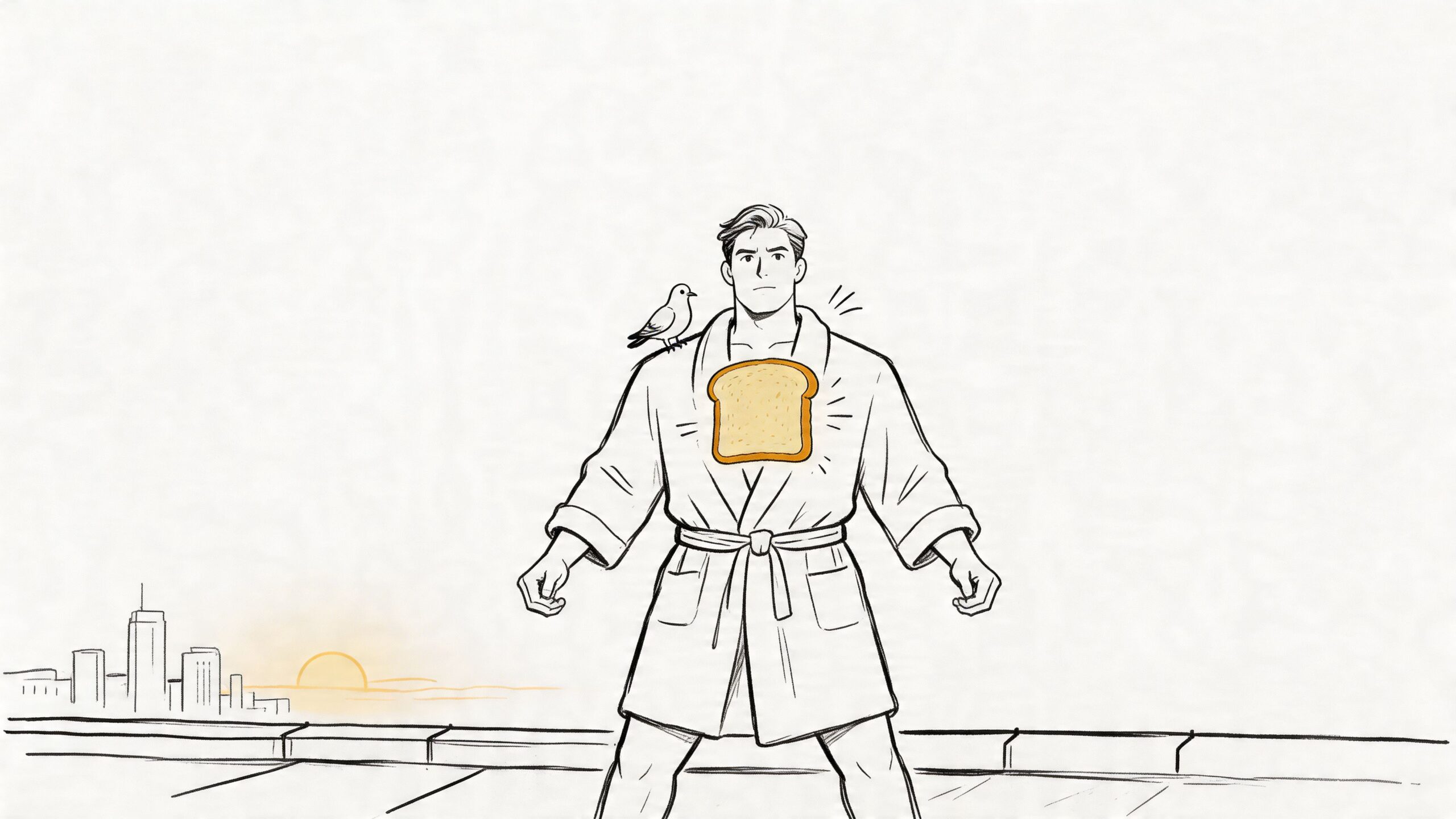
A reliable comedy setup starts with false advertising. Give your lead the look of a world-saving legend, then saddle them with the least useful power imaginable. They can summon room-temperature toast, communicate only with pigeons, or become invincible for six seconds whenever they smell lavender soap.
This works because the visual language of superhero comics is already oversized. Capes, dramatic poses, lightning backgrounds, giant title captions. When all that visual hype supports a hero whose special ability is “finding lost TV remotes,” the contrast lands fast.
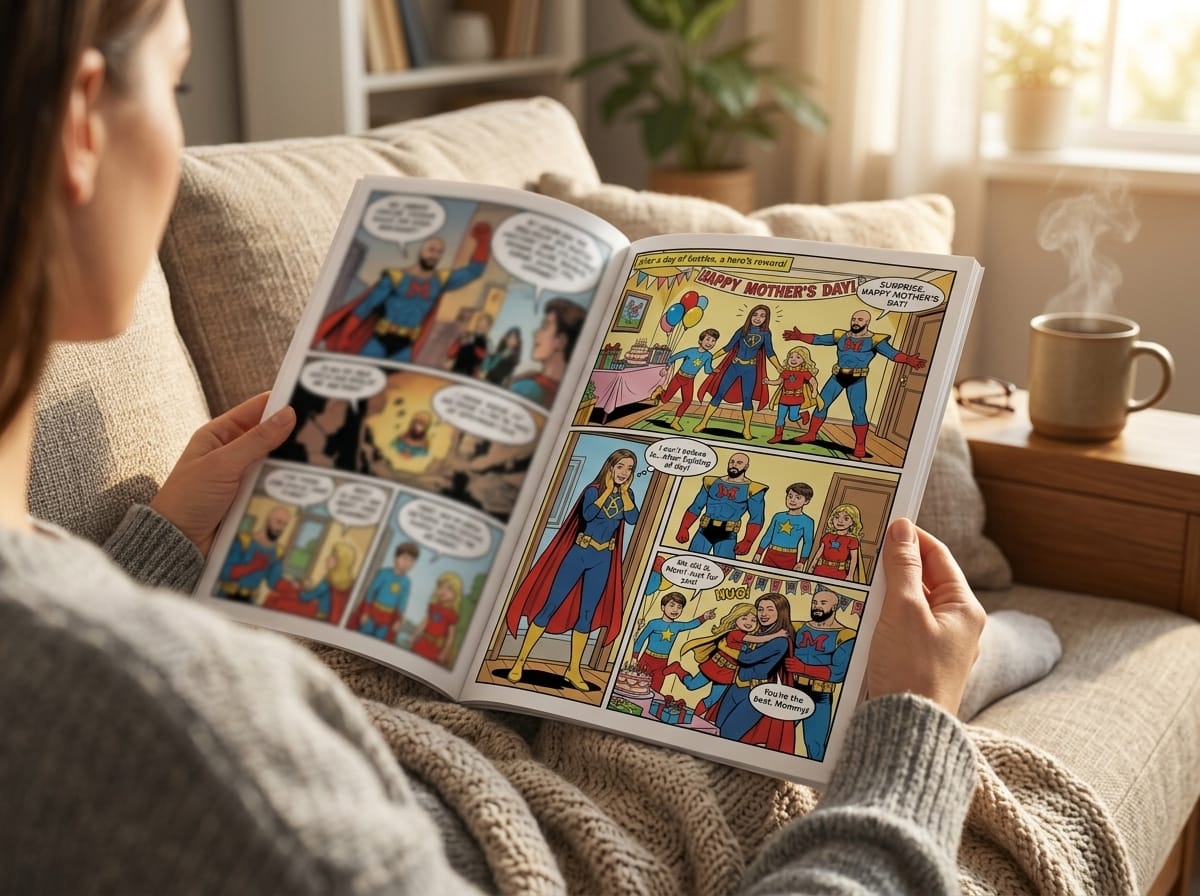
If you’re using PersonalizedComics, this is one of the easiest concepts to personalize with photos. Cast your friend, sibling, or coworker as the hero, then exaggerate one real-life trait into a fake power. The neat freak gets dust-based powers. The coffee addict can detect espresso within a three-block radius. The person who’s always late gains super speed, but only after the crisis ends.
How to make the joke last past page one
The common mistake is choosing a useless power and stopping there. A one-panel joke is not a storyline. The stronger move is escalation. Put the hero in three situations where the power seems worthless, then let it accidentally solve the biggest problem.
Try this progression:
- Start small: A petty neighborhood crime creates an absurdly dramatic introduction.
- Raise the stakes: The hero’s power fails in the most obvious heroic moment.
- Flip the logic: The exact useless trait becomes the only thing that can save the day.
Practical rule: Pick a power that’s bad in a fight but weirdly good in logistics, social awkwardness, or coincidence. That gives you more plot than a simple gag power.
For art style, manga and retro pop both do heavy lifting here. Manga sells panic, sweat drops, and giant reaction faces. Retro pop makes fake hero propaganda posters and overblown action captions look great. If you want more short-form setups before building a longer story, browse these comic strip idea starters from PersonalizedComics.
A good real-world model is the kind of subversive hero joke you see in The Boys or the lighter comedy beats in My Hero Academia. The lesson isn’t “be edgy.” It’s “treat the ridiculous premise seriously inside the story.” That’s what makes it funny.
2. Workplace Comedy Chaos
Office comedy works because the stakes are fake and the emotions are real. Nobody may die if the slide deck is wrong, but people behave like civilization will collapse if the quarterly update uses the old logo. That mismatch is comedy fuel.
Set your comic in a place your readers recognize instantly: an open-plan office, a coffee shop, a dentist reception desk, a game studio, a school staff room. Then stack the cast with familiar types. The manager who says “quick sync” and traps everyone for an hour. The one employee doing all the work. The intern who understands the software better than the executives.
This premise is especially strong when you turn real people into characters. A personalized office comic gift hits because readers know who each person is before the first joke lands. If you’re building one for coworkers, exaggerate habits, not cruelty. The person who loves process becomes a villainous keeper of spreadsheets. The person who never unmutes on calls becomes an office phantom.
What works in panel form
Comics handle workplace absurdity better than prose because repetition becomes visual. Three nearly identical panels of a printer failing can be funnier than a long paragraph explaining office frustration.
Use the page to show escalation:
- Panel one: A tiny problem appears.
- Panel two: The wrong person takes charge.
- Panel three: Four people form a committee.
- Panel four: Something simple becomes catastrophic.
Noir and graphic novel styles are unexpectedly good here. They make tiny office problems look hilariously important. A broken coffee machine rendered like a crime scene can carry an entire page. For extra inspiration, these funny story concept prompts from PersonalizedComics are useful when your workplace cast is strong but your incident isn’t.
A good reference point is The Office or Office Space. They understand that bureaucracy is funny when characters commit to it completely. Don’t write an office story where everybody knows it’s silly. Write one where one person treats the supply closet shortage like a military emergency, and everyone else has to live with that energy.
3. Pet Perspective Storytelling
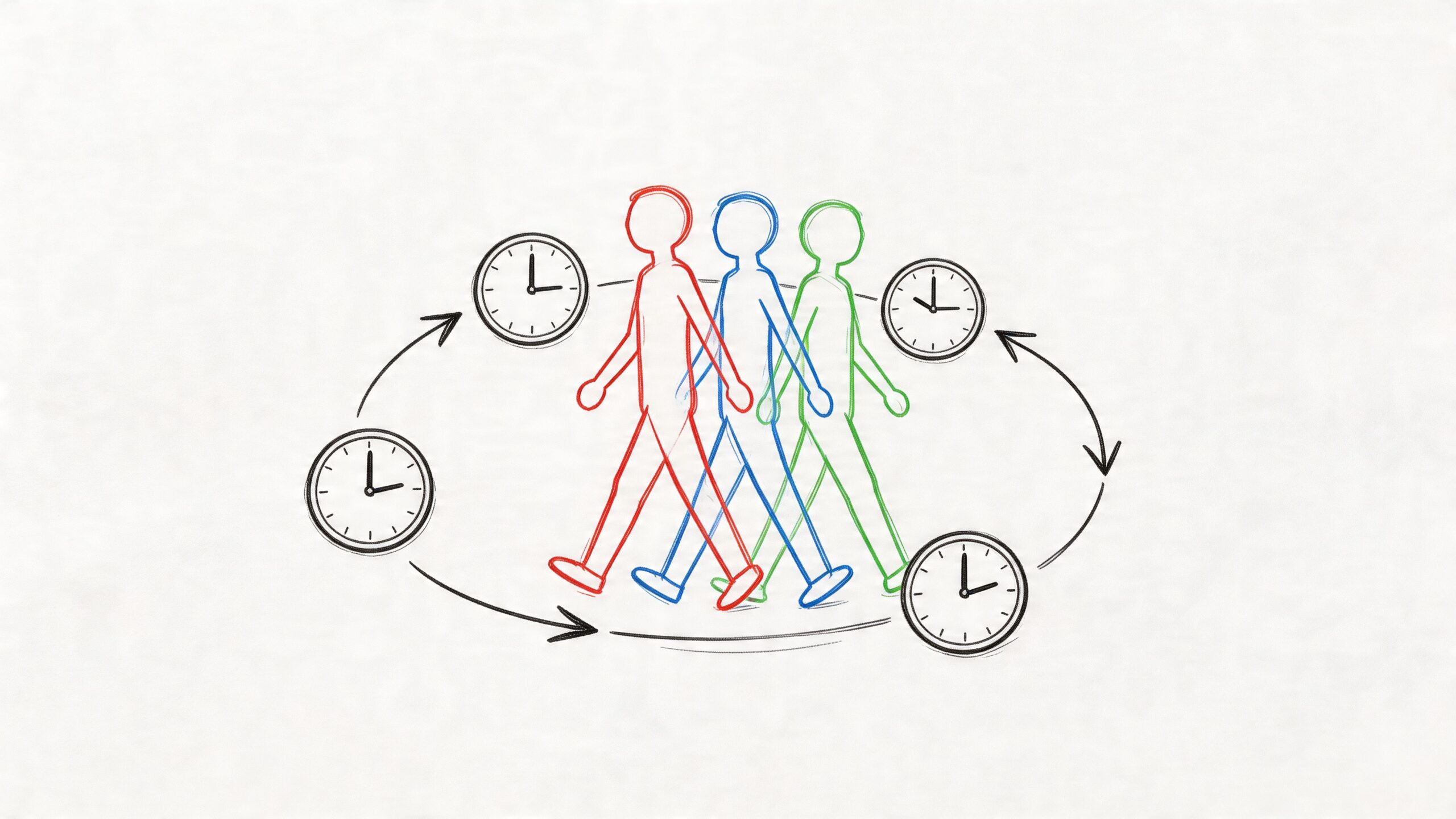
If you want one of the safest funny storyline ideas for gifts, use the pet’s point of view. People love seeing themselves through the eyes of an animal that clearly thinks it’s the smartest being in the house.
The structure is simple. The human thinks they’re handling ordinary life. The pet interprets every action with total confidence and complete misunderstanding. Cleaning the kitchen becomes “destroying scent history.” A Zoom call becomes “the human barking at the flat glowing rectangle again.” A trip to the vet becomes “political betrayal.”
This setup gets better when the art makes the pet adorable while the writing makes the pet judgmental. That contrast is the entire machine.
Give the pet a voice, not just jokes
The weakest version is random sarcasm. The stronger version gives the pet a consistent worldview. Cats often work best as tiny aristocrats or bitter critics. Dogs work well as overcommitted security officers or emotional optimists. Hamsters can be conspiracy theorists. Birds can be gossip columnists.
That voice helps you turn a series of bits into an actual story arc. Maybe the pet believes a new baby, robot vacuum, or visiting relative is an invader and launches an escalating campaign against them.
Use:
- Internal monologue boxes: Best for dry commentary.
- Speech bubbles humans can’t understand: Best for active scenes.
- Reaction panels: Best for letting the art deliver the punchline.
Watercolor is great for this because it softens the look while the captions stay sharp. Cute visuals earn you permission to be meaner in the joke writing. If you want extra visual prompt material, these silly image-based writing prompts from PersonalizedComics can help you build a pet’s imaginary interpretation of normal life.
The pet should never think it’s in a comedy. It should think it’s documenting a serious household collapse.
Garfield is the obvious ancestor here, but the broader lesson comes from all strong animal POV humor. The pet’s logic must be wrong, but it has to be internally consistent. That’s what keeps the reader following the bit.
4. Time Travel Paradox Comedy
Your character wakes up determined to fix one humiliating moment from last night. By lunchtime, there are four versions of them in the kitchen, each convinced they are the one who finally got it right. That is the sweet spot for time travel comedy in comics. The problem starts small, the visuals do heavy lifting, and every attempt to clean up the mess makes the page funnier.
This premise works best when the character uses impossible technology for petty reasons. They go back to unsend a flirty text, stop a terrible haircut, win a pointless argument, or recover from a disastrous toast at dinner. Small stakes give you room to escalate without losing the joke. Readers understand the original pain immediately, so you can spend your panels on fallout instead of exposition.
The strongest version has one simple rule that creates repeatable trouble.
Good setups:
Rule: You can only travel back twelve hours.
Consequence: Every trip leaves behind a copy of you.
Rule: You can revisit one memory.
Consequence: Everyone in the scene remembers every version.
Rule: The machine only works for three minutes at a time.
Consequence: Fixes happen halfway, so the character keeps returning to a worse version of the same moment.
That kind of constraint is what keeps the story playable on a panel-based platform like PersonalizedComics. You need the reader to track the gag in a glance. I usually assign each timeline one visual signal and never break it. A different jacket color. A distinct caption box. A specific hairstyle after each reset. If every version of the character looks the same, the joke turns into paperwork.
Art style choice matters here more than people expect. Retro pop works well for the original timeline because it gives the “before” scenes a clean, familiar look. Glitchy neon or cyberpunk styling works for the timeline after too many edits because the world should start feeling unstable. If you are building this on an AI comic platform, use photo-to-character features carefully. Turn one real person into multiple timeline variants, then change only two or three traits per version so the copies still read as the same person.
A personalized setup usually lands hardest. Cast a real couple, friend group, or family into the story. One person keeps trying to fix a vacation photo, first date, wedding speech, or holiday dinner comment. Every revision improves one detail and wrecks another. That structure gives you a clean panel rhythm. Setup, revision, surprise consequence, new revision, bigger consequence, group argument, final image of complete timeline chaos.
Keep the science light. Keep the cause-and-effect sharp. If the reader can explain the rule in one sentence, you have enough structure to stack jokes fast.
5. Mistaken Identity Chaos
Mistaken identity stories survive for a reason. They force characters to perform under pressure, and performance is funny. Somebody gets confused for a celebrity, a new boss, a wedding planner, a secret inspector, or the hero of some local legend. Instead of correcting the mistake immediately, they get dragged deeper into a situation they can’t manage.
This premise is strongest when the wrong identity comes with obligations. A random stranger mistaken for a famous chef now has to judge a cooking contest. A shy cousin mistaken for the motivational speaker must address a banquet. A guy wearing the wrong coat gets treated like the master thief everyone fears.
The visual side matters a lot here. The audience should understand the mistake, but the world around the character should be committed to it. That means establishing clear silhouettes, wardrobe cues, or one recurring object that causes the confusion.
Build layers, not just one misunderstanding
A single mistaken identity can fuel a short strip. For a multi-page comic, stack them. One person thinks the hero is a celebrity. Another mistakes them for a caterer. A third thinks they’re undercover police. Now the character has to say “yes” to three incompatible realities at once.
Useful techniques:
- Exaggerated reaction panels: Shock, panic, forced confidence.
- Running props: Name tags, invitations, uniforms, masks.
- Silent beats: One dead-eyed stare can outplay a paragraph of dialogue.
Manga and classic American comic styles both handle this well because facial expressions stay readable. The old screwball-comedy principle applies here too: the fun isn’t in the confusion itself. It’s in watching someone try to preserve the confusion after it becomes obviously unsustainable.
A personalized version works beautifully for parties, reunions, and wedding gifts. Upload photos of real attendees, then invent a social event where one family member is repeatedly misidentified as someone wildly important. The best versions keep the character sympathetic. They’re trapped, not malicious.
6. Dating App Dating Disasters
Two people match at 11:48 p.m. By 7:00 the next evening, one has built a version of the other out of three good photos, a joke about tacos, and a playlist mention that sounded more impressive in text.
That gap between profile fantasy and live reality gives you a clean comic engine. Dating app stories work best when both people are trying to present well, stay likable, and recover from one small mistake before the next one arrives. The humor comes from effort under pressure, not contempt.
A strong opening page usually writes itself. Start with polished profile panels. Then cut hard to the date itself. The self-described “easygoing” character has a color-coded list of approved restaurants. The “great listener” keeps waiting for their turn to deliver a rehearsed anecdote. The “up for anything” match has accidentally joined a competitive trivia team because they were too polite to say they just wanted one drink.
Build the date around one precise mismatch
Broad catfish jokes are tired. Specific misunderstandings last longer and play better in panels. “Loves hiking” turns out to mean one vacation photo from years ago. “Sarcastic” means they refuse to answer any question directly. “Low-maintenance” means they brought a handwritten fry-ranking rubric and expect discussion.
This is also a great fit for an AI comic platform like PersonalizedComics because the contrast is visual before it is verbal. Use one style for the profile version and another for the actual date, or exaggerate the polish in those opening panels. If you are making it personal, turn real photos into characters and keep the likeness clear enough that friends recognize themselves, then heighten the expressions, posture, and outfit details that sell the awkwardness. In panel terms, dating comedy lives on reaction shots. One blink after a bad joke, one forced smile after “my ex used to love this place,” one silent panel when both reach for the check too early.
Dialogue should sound like nervous people trying to be funny. That rhythm is more believable, and it gives you better beats than stuffing the script with internet references.
Awkwardness lasts longer than humiliation. Let your characters recover a little, then make things worse.
For a short strip, one bad date is enough. For a longer comic, give the evening a structure. Arrival, first impression, unexpected reveal, false recovery, second disaster, tiny moment of real connection. That shape works especially well on a panel-based platform because each turn creates a clear page or row break.
A personalized version makes a strong anniversary gift or inside joke comic. Cast the actual couple, borrow details from their first messages or first date, and exaggerate the mishaps without losing the chemistry. The best version says, “this was chaotic, but you still chose each other.”
7. Apocalypse Unprepared Comedy
The apocalypse gets funnier when the survivors are qualified for absolutely nothing. One person brought artisanal candles. Another saved seventeen phone chargers but no food. A third insists their improv training will keep morale high, which only convinces the group they may need to exile them first.
The engine here is contrast. The world has become extreme. Your cast remains stubbornly ordinary, petty, and underprepared. They still argue about snacks, room assignments, and who “technically” caused the bunker flood.
A lot of writers make this too grim or too random. The better version gives each character one real skill and one useless item, then keeps testing both. The florist can identify edible plants but refuses to eat ugly ones. The gamer has elite hand-eye coordination but can’t read a paper map. The influencer knows lighting, which becomes bizarrely useful for signaling aircraft.
Commit to one ridiculous survival plan
A memorable apocalypse comedy usually has a central bad idea. Maybe the group decides a mall is the ideal fortress because it has pretzels. Maybe they believe a themed restaurant is defensible because of the decor. Maybe they build their strategy around a guidebook nobody read all the way through.
That commitment creates recurring jokes and a narrative spine. Without it, the story becomes disconnected skits.
Helpful visual choices:
- Wide panels: Show how small and silly the group looks against huge chaos.
- Noir or cyberpunk styles: They make the situation look serious, which sharpens the joke.
- Inventory gags: Label absurd “essential” items in captions or side notes.
A personalized version can turn a friend group or family into a survival team with hilariously mismatched strengths. These stories make good gifts because every character gets a role. Nobody has to be “the boring one.” In comedy, being the practical person surrounded by idiots is a starring role.
Shaun of the Dead is a strong model. It never forgets the threat, but it never stops mining character behavior either. That balance matters.
8. Supernatural Beings in Modern Life
Your vampire misses a food delivery because the courier refuses to come inside without a buzz code. Your ghost keeps getting kicked off the smart TV because the software update broke her haunting routine. Your werewolf books a client presentation for full moon night and spends the whole afternoon trying to reschedule without sounding unstable.
This premise works because mythology already gives you strong character rules, and modern systems punish anyone who does not fit the form. The concept gets stronger when you pick one ordinary system, like apartment leases, customer support, dating profiles, or school administration, and show how badly it fits the creature’s mythology.
That gives the comic a clear engine.
For an AI comic platform like PersonalizedComics, this setup is especially useful because each supernatural type comes with visual shorthand. A vampire reads fast in gothic, noir, or painterly horror styles. A ghost works well in softer manga or cel-shaded art where expressions can do a lot of the comedy. If you are turning photos into characters, start with recognizable real-world traits and then exaggerate one supernatural layer. Keep your friend’s haircut, glasses, or favorite jacket, then add fangs, a floating aura, or suspiciously moon-related stress. The joke lands faster when the character feels personal before the magic starts.
Make the rules concrete
Supernatural comedy needs limits with sharp edges. A ghost can possess electronics, but only if the battery is above fifty percent. A vampire still needs an invitation, which turns apartment intercoms into a recurring problem. A witch can cast flawless spells in the kitchen, then loses every battle with the self-checkout kiosk.
Specific rules create panel-ready scenes. Panel one sets the ordinary obstacle. Panel two shows the creature applying ancient logic to a boring problem. Panel three delivers the failure or technicality. Panel four lands the reaction shot.
Recognizable archetypes help because the reader understands the setup instantly, but the joke should come from behavior, not costume. A centuries-old sorcerer arguing with a password reset email is funny because he treats it like a blood oath. A demon struggling through HOA paperwork is funny because the paperwork wins.
A personalized version can cast friends or family as the monster ensemble. The neat freak becomes the vampire roommate with impossible storage rules. The friend who lives in group chats becomes the ghost who haunts notifications instead of hallways. The plant lover becomes the witch whose herb shelf looks magical right up until the health inspector arrives.
9. Conspiracy Theory Rabbit Hole
This one needs precision. The joke is not that conspiracies are secretly true. The joke is that one character can connect absolutely anything if they start with the answer they want.
That character should be intense, articulate, and totally unshaken by contradiction. The receipt proves the bakery is watching them. The missing sock is evidence. The neighborhood raccoon is “too organized.” Their friend group becomes an unwilling audience as every coincidence gets folded into a giant imaginary system.
Visually, this premise is gold. Red string boards, circles around meaningless details, dramatic shadows, giant arrows pointing nowhere useful. Noir and graphic novel styles help because they make nonsense look dangerously significant.
Satire works when the evidence gets dumber
The progression should move from mildly odd to obviously absurd. Start with one thing the reader can almost understand, then stretch logic until it snaps.
For example:
- Early clue: The barista misspelled the name in the same way twice.
- Middle clue: Pigeons appear whenever difficult questions are asked.
- Late clue: Soup of the day rotations align with celestial events.
Don’t make the believer stupid. Make them brilliant in the wrong direction.
That’s what keeps the comic lively. A foolish character is easy. A smart character using all their powers to support a ridiculous conclusion is much funnier.
You can personalize this premise by turning a friend’s harmless obsession into a comic-scale delusion. The sports fan sees league rigging everywhere. The family member who’s into home organization decides the neighborhood recycling schedule is a code. Keep it playful. Satire lands better when the target is obsessive pattern-making, not a real person’s pain.
10. Incompetent Villain Origin Story
The office fire alarm goes off, and the one person holding a homemade smoke machine has to explain a lot in a hurry. That is the engine of an incompetent villain origin story. A character starts with a petty, human problem and stumbles into a reputation they did not ask for, then keeps making it worse in full public view.
This setup works especially well in a panel-based comic because every stage of the downfall has a clear visual beat. Panel one shows the original grievance. Panel two shows the terrible fix. Panel three shows witnesses getting the wrong idea. Panel four locks in the new identity. On an AI comic platform like PersonalizedComics, that structure matters. You can generate each turn as a separate scene, switch expressions fast, and keep the joke readable even when the plot gets more absurd.
The strongest version starts small. A failed employee presentation, a neighbor dispute, a rejected patent, a parking ticket. Give the character a goal the reader recognizes, then let pride do the rest.
A reliable sequence looks like this:
- Personal insult: They get dismissed, mocked, or ignored.
- Overdesigned response: They build a gadget, costume, manifesto, or “system” to fix it.
- Public misread: Bystanders assume criminal intent because the presentation looks dramatic.
- Identity shift: The character accepts the villain label because it finally gets attention.
Cause and effect carry the joke. If the escalation feels random, the character becomes a punchline instead of a comic lead. If each bad choice follows naturally from the last one, the reader can track the logic and enjoy the wreck.
This is also one of the easiest premises to personalize with photos. Turn a friend into the accidental nemesis of a homeowners association. Cast a coworker as a breakroom tyrant whose origin begins with stolen yogurt and a mislabeled lunch shelf. Family members work well too, especially if the “evil lair” is just a garage, a craft room, or a suspiciously organized kitchen.
Art style does a lot of heavy lifting here. Manga style sells exaggerated despair and huge reaction shots. A slick superhero look makes weak grievances funnier because the visuals promise world-ending stakes while the script argues about printer access. If you are building this on PersonalizedComics, keep the design language consistent. One signature prop, one dramatic silhouette, one recurring facial expression. That gives the AI something stable to repeat across panels.
The best final turn is acceptance with a grin. The character does not become competent. They become committed. That difference keeps the story funny and keeps the door open for sequels.
10 Funny Storylines: Quick Comparison
| Title | Implementation Complexity | Resource Requirements | Expected Outcomes | Ideal Use Cases | Key Advantages |
|---|---|---|---|---|---|
| The Unlikely Superhero | Low – simple setup, needs inventive power gags | Low – few assets, works with photos and all art styles | Lighthearted, character-driven comedy; gift-friendly | Personalized gift comics, short webcomics | Subverts tropes, relatable underdog, broad comic-fan appeal |
| Workplace Comedy Chaos | Medium – ensemble casts and recurring beats | Medium – multiple character designs, optional real coworker photos | Highly relatable workplace humor; good for team engagement | Corporate/team gifts, office celebrations, serial strips | Strong relatability, easy customization to real teams |
| Pet Perspective Storytelling | Low – single POV with sarcastic internal monologue | Low – pet photos improve personalization; cute art styles useful | Emotional resonance plus humor; wide pet-owner appeal | Pet owner gifts, adoption center promos, social media | Universal appeal to pet lovers, easy personalization |
| Time Travel Paradox Comedy | High – complex plotting, timeline consistency required | High – multiple visual treatments, color-coding, extra panels | High-concept, inventive comedy; appeals to sci‑fi fans | Multi-page graphic novels, serialized creator series | Large creative potential, varied visual styles per era |
| Mistaken Identity Chaos | Medium – needs clear character distinctions and varied beats | Low–Medium – distinct character designs, dialogue for confusion | Fast-paced, universally relatable comedy | Friend/group personalized comics, event-based sketches | Timeless premise, strong visual gag potential |
| Dating App Dating Disasters | Medium – dialogue-driven, relies on current references | Low–Medium – profile vs. reality visuals, social media assets | Highly relatable to younger adults; shareable content | Single-friend gifts, social campaigns, Valentine’s humor | Contemporary relevance, high social engagement |
| Apocalypse Unprepared Comedy | Medium–High – tonal balance between dark and absurd | Medium – varied large-scale scenes and props | Visual slapstick with dark stakes; appeals to comedy/sci‑fi fans | Sci‑fi fan gifts, parody survival comics, team satire | Strong visual gags, cross-genre appeal |
| Supernatural Beings in Modern Life | Medium – worldbuilding supernatural rules in everyday life | Medium – fantasy/gothic styling, character costuming | Blend of fantasy and mundane humor; seasonal appeal | Fantasy fan content, Halloween gifts, cosplayer comics | Strong genre visuals, merchandising potential |
| Conspiracy Theory Rabbit Hole | Medium – requires careful satirical balance | Low–Medium – conspiracy board visuals, diagrams | Sharp internet-culture satire; resonates with online audiences | Social-media satire, meme-adjacent content, comedy blogs | Topical relevance, visually distinctive aesthetics |
| Incompetent Villain Origin Story | Medium – needs sympathetic arc and escalation | Medium – character development across multiple pages | Sympathetic comedy-drama; appeals to comic fans | Character-focused graphic novels, personalized origin gifts | Fresh twist on tropes, deep personalization potential |
From Funny Idea to Finished Comic
You have a premise that makes you laugh. Good. Now give it a shape a reader can follow in panels.
Funny comics usually break at the same pressure points. Too many characters arrive before the reader knows who matters. Dialogue explains jokes that the art should carry. Every panel shouts, so the punchline has nowhere to go. The fix is practical. Pick one comic engine, one clear point of view, and one visual style that helps the joke instead of competing with it.
Platforms like PersonalizedComics change the early part of the process in a useful way. You can cast from real photos, lock in a consistent character look, and test the same scene in different art styles before you commit to a full page. That matters for comedy because delivery is visual. The exact same line reads differently with deadpan noir lighting, bright Saturday-morning cartoon energy, or exaggerated manga reactions.
Personalization also solves a common problem with generic prompt lists. A prompt like “bad date” is only half an idea. A usable comic setup is more specific. Your cousin who treats every first date like a job interview. Your dog as the silent witness in panel three. Your office manager recast as the apocalypse team leader who brought a label maker instead of supplies. Once you can turn real people into repeatable characters, the story stops feeling abstract and starts behaving like a comic.
For a first project, keep the scope tight by starting with four pages and one simple comic engine. One misunderstanding. One disastrous date. One pet monologue. One wildly unqualified hero. Small scope gives you room to pace the joke, revise the expressions, and finish the piece instead of abandoning it at page seven.
A few choices improve the odds fast:
- Cast for natural energy: Use the person’s real vibe. The intense friend makes a better overcommitted villain than a laid-back one ever will.
- Match the art style to the joke: Clean cartooning helps slapstick read fast. Noir makes tiny problems feel hilariously overblown. Soft watercolor can make meaner jokes feel lighter.
- Build page turns around reveals: End the page on a wrong assumption, a new prop, or a face that changes the meaning of the scene.
- Cut dialogue hard: If the expression, pose, or background gag already sells it, delete the extra line.
- Repeat one running gag: A recurring object, catchphrase, or costume failure gives the comic structure and makes later panels hit harder.
- Write for panels, not prose: In an AI comic tool, each panel needs one clear action. If three things happen at once, split them.
There is a trade-off. Hand-drawn roughs can produce messy, accidental jokes you would never plan. AI tools give you speed, consistency, and quick variation passes. For comedy, I will take that trade often. Being able to rerun a scene with a stronger facial expression, a better camera angle, or a different style is often the difference between “mildly amusing” and “worth sending to five friends.”
The safest workflow is simple. Start with a cast of two to four characters. Choose an art style that supports the premise. Write six to twelve panel beats before you generate anything. Then make the first pass and look for one thing only: where the laugh happens. Once you know that, trim the setup, widen the reaction shot, or move the reveal to the page turn.
A finished funny comic rarely comes from having more ideas. It comes from choosing one good idea and building it with discipline. Upload the photos. Pick the style. Generate a short version first. Then revise the timing until the page reads like a joke someone would want to share.
Filed under Comic Craft