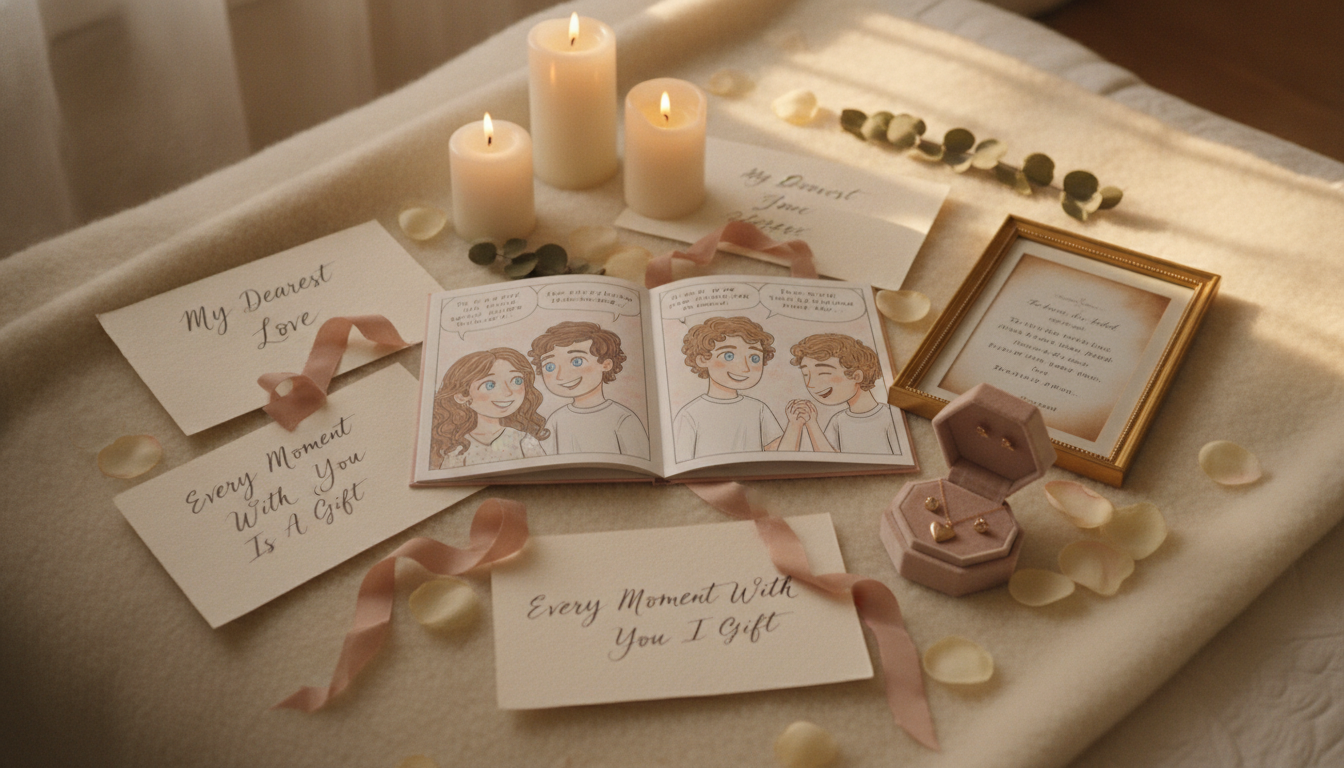
That's why a personalized 40th birthday gift works so well when it goes beyond engraving a name onto an object. At 40, people don't just want to be celebrated for existing another year. They want to feel seen in full. The funny years, the hard years, the relationships, the habits, the running jokes, the places they've been, the version of themselves they've become.
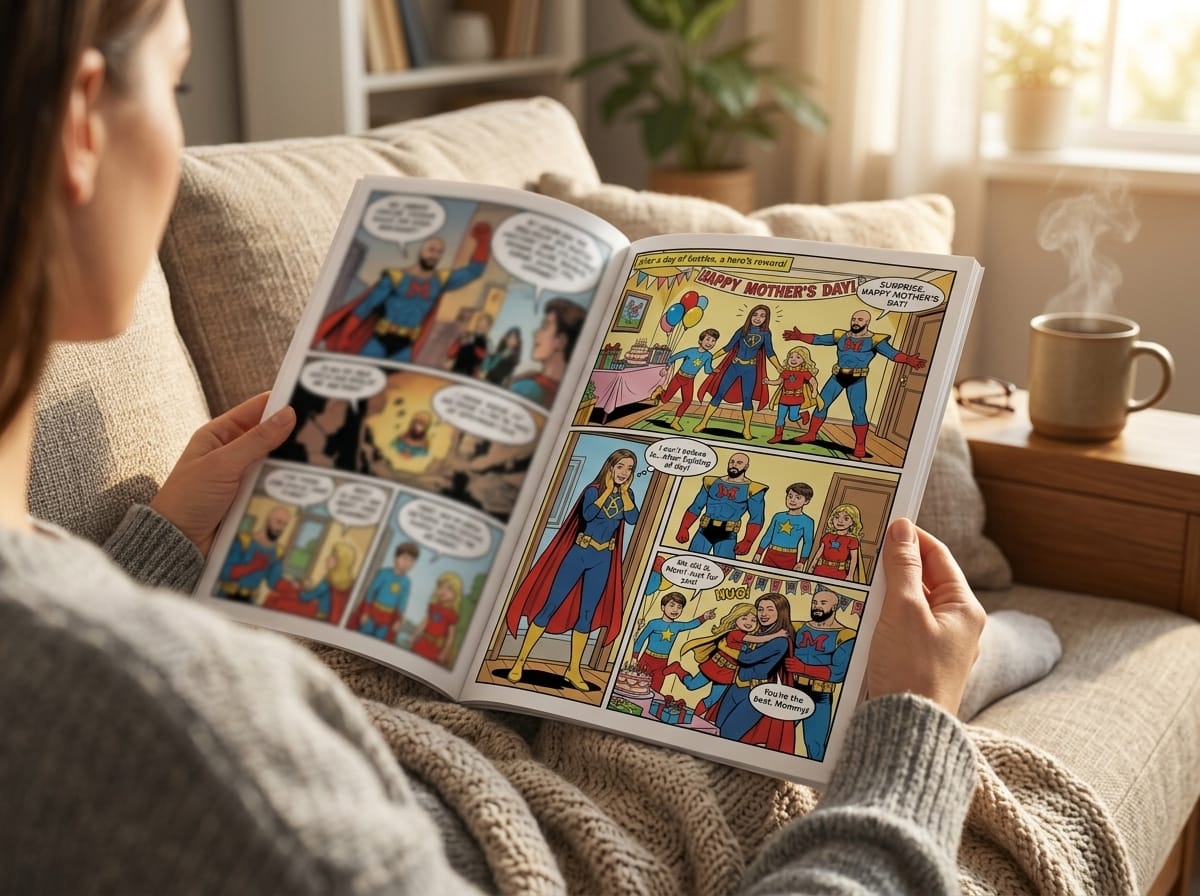
A custom comic is one of the rare gift formats that can hold all of that at once. It gives you room for story, visuals, humor, emotion, and personality. It can be playful without feeling cheap, sentimental without becoming stiff, and personal without becoming cluttered. If you build it well, it becomes the thing everyone passes around at the party and the thing the birthday person keeps afterward. The same milestone thinking applies to retirement gifts, where the story being honored is a whole career rather than a single year.
Beyond the Gift Card The Quest for a Meaningful 40th Birthday Gift
There's a reason birthday gifts create so much pressure. Birthdays aren't a niche gifting moment. They're the biggest one in personalized gifting. In an industry report, birthdays accounted for 36% of personalized gift orders, with anniversaries next at 21% according to Beyond Memories' personalized gifting report. That matters because it tells you something useful. People aren't personalizing gifts as a quirky extra. They're doing it where emotion is highest and expectations are sharpest.
A 40th birthday raises that expectation even more. It's a milestone people recognize instantly. Nobody opens a 40th birthday gift and thinks, “This is just another birthday.” They read meaning into it, even if they don't say that out loud.
Why generic personalization falls flat
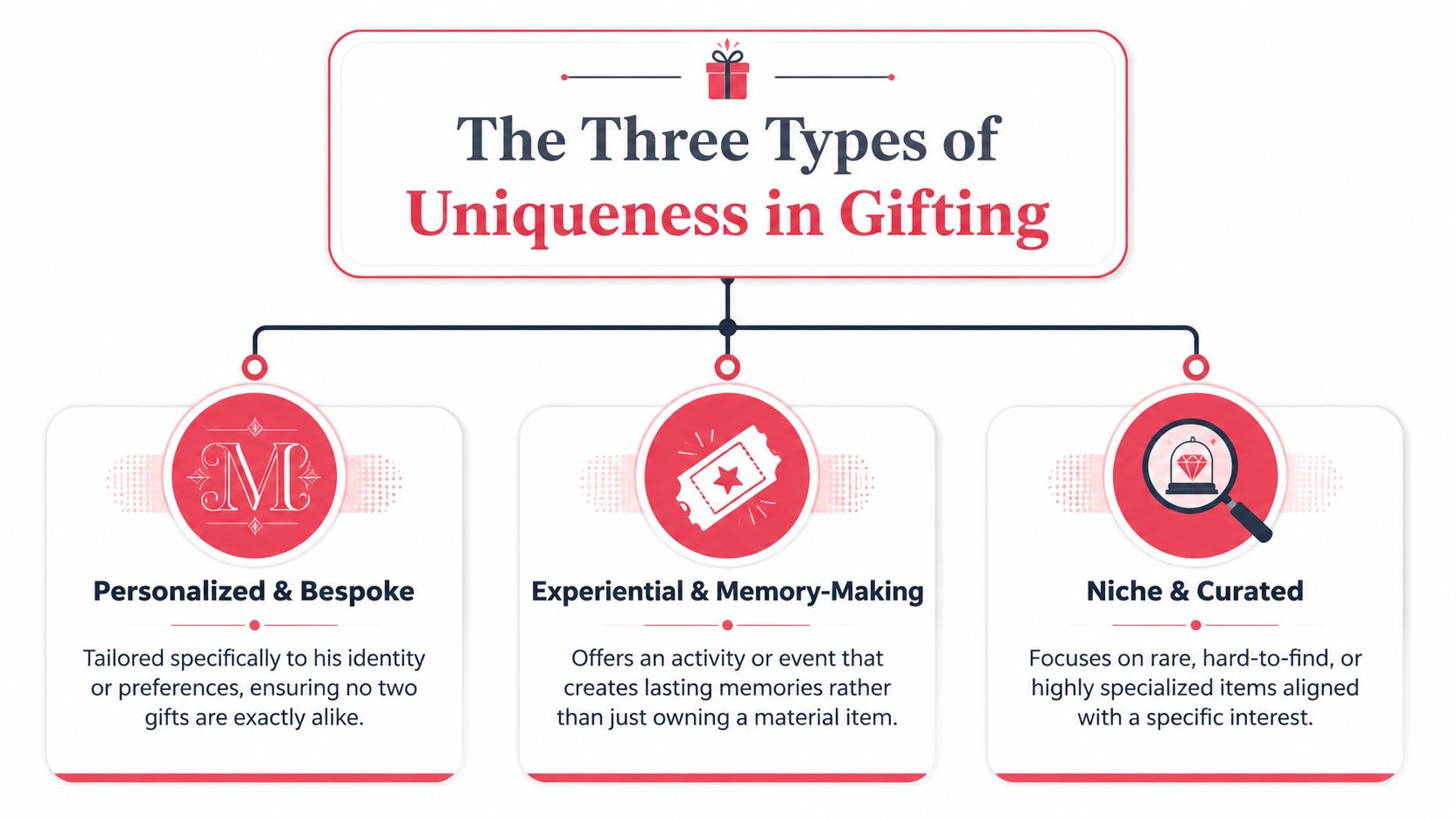
A lot of so-called personalized gifts stop at surface level. Add a name to a mug. Print a date on a shirt. Engrave initials on a keychain. That can be nice, but it often feels like customization, not interpretation.
The gifts people remember usually do something deeper:
- They reflect identity instead of just labeling the occasion
- They capture shared history instead of just adding a monogram
- They create a moment when the gift is opened, read, or shown around
- They keep meaning after the party instead of fading into household background noise
A comic works because it turns memory into a format people want to engage with. It has scenes. It has pacing. It has reveals. It lets you retell a friendship, a marriage, a family story, or a personal journey with some shape to it.
A milestone gift lands when the person recognizes themselves in it, not just their name.
That standard is not unique to milestone birthdays, either. If the next big date on your calendar belongs to a sibling, this roundup of gifts for your sister applies the same rule across 25 ideas.
Why storytelling beats a list of gift ideas
If you're shopping for a personalized 40th birthday gift, the strongest move usually isn't choosing from fifty product categories. It's choosing one format that can carry a real narrative. A comic can do that whether the tone is funny, affectionate, dramatic, nostalgic, or a mix of all four.
That's also why this approach works for different relationships. A spouse can make it romantic. A sibling can make it chaotic and funny. A best friend can turn years of inside jokes into a mini origin story. An adult child can build a tribute that feels warm without being overly formal.
The practical advantage is simple. Once you have the story, the gift stops feeling hard. The hard part isn't picking an object. It's deciding what you want the gift to say.
The Blueprint for a Memorable Story
Before you choose colors, layouts, or art styles, get the raw material right. Most disappointing personalized gifts fail early. They start with the product, then try to squeeze meaning into it. A comic works better when you reverse that order and build from memory outward.
Recent personalization trends point toward highly individualized, memory-based products that reflect hobbies, travel history, or inside jokes rather than a one-size-fits-all milestone theme, as noted by Personal Creations' 40th birthday gift page. That lines up with what reads well on the page. The stronger the specifics, the better the comic.
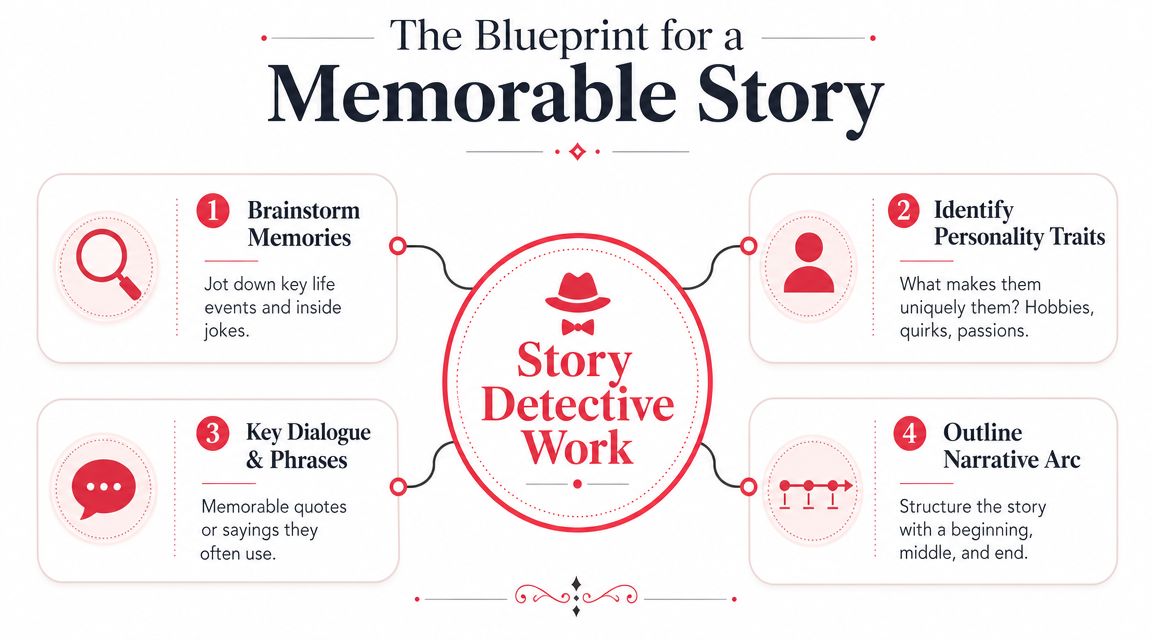
Start with memory mining
Don't ask, “What gift should I make?” Ask, “What scenes belong in their story?”
Use a blank note and gather details under a few buckets:
- Signature moments like first jobs, cross-country moves, marathon finishes, parenting milestones, trips, or the disaster vacation everyone still laughs about
- Personality markers such as being the reliable one, the chaos magnet, the planner, the peacemaker, the collector, the fixer
- Repeating phrases they always say, including family sayings, jokes, or tiny expressions everyone associates with them
- Visual anchors like the old leather jacket, the favorite dog, the kitchen dance ritual, the classic car, the camping mug, the soccer sideline chair
Those are your comic ingredients. You don't need everything. You need enough to make the story unmistakably theirs.
Pick one narrative spine
The cleanest comics usually follow one of a few structures instead of trying to cover every year equally.
| Story Theme | Description | Best for… |
|---|---|---|
| Greatest Hits | A sequence of defining life moments told with warmth and momentum | Parents, siblings, close friends |
| Hero Origin Story | Their real strengths get translated into comic-book powers and turning points | Big personalities, comic fans, funny tributes |
| One Legendary Adventure | A single trip, event, or mishap gets a scene-by-scene retelling | Best friends, spouses, reunion groups |
| Forty Lessons Version | The story highlights what they've learned, survived, built, or changed | Reflective gifts, partner gifts, family tributes |
| Ensemble Cast Story | Multiple people narrate what makes the birthday person unforgettable | Group gifts, office teams, extended family |
If you need help shaping rough ideas into a readable sequence, this guide on how to write a story for beginners is a useful way to tighten the arc before you design anything.
Keep it age-relevant, not age-stereotyped
A 40th birthday comic doesn't need tired jokes about being old. Most of those land badly unless the recipient already loves that kind of humor. Better approaches feel more specific and human.
Try these angles instead:
Competence as a superpower
Show how they handle chaos, solve problems, or hold people together.Evolution, not decline
Frame 40 as the chapter where they know who they are, not the chapter where fun ends.Layered identity
Include more than one role. Friend, parent, traveler, runner, cook, mentor, sibling, music obsessive.Shared language
If your bond is sarcastic, write it sarcastically. If it's tender, don't force jokes into every panel.
Practical rule: If a line could fit on a generic “Happy 40th” card, it probably doesn't belong in the comic.
Build a simple page outline
You don't need a full screenplay. A comic gift usually gets stronger when the writing stays compact.
A workable outline looks like this:
- Opening page with a strong premise or title
- Middle pages that deliver the most revealing or entertaining scenes
- Final page that lands on affection, admiration, or a forward-looking note
Think in scenes, not biography. “She loves travel” is weak. “She once rerouted an entire family vacation from a train platform using snacks, sarcasm, and a paper map” is a scene.
Matching the Art Style to Their Personality
Once the story is clear, the visual style becomes a decision about tone. Many gift makers rush, picking the style they personally like, then wonder why the finished piece feels slightly off. The better question is, “What visual language feels most like them?”
One corporate gifting source reports that teams with detailed preference databases see 67% higher gift satisfaction rates through personalized selection, according to The Sweet Tooth's gifting program guide. Different context, same lesson. Taste matters. Matching the format to the recipient matters.
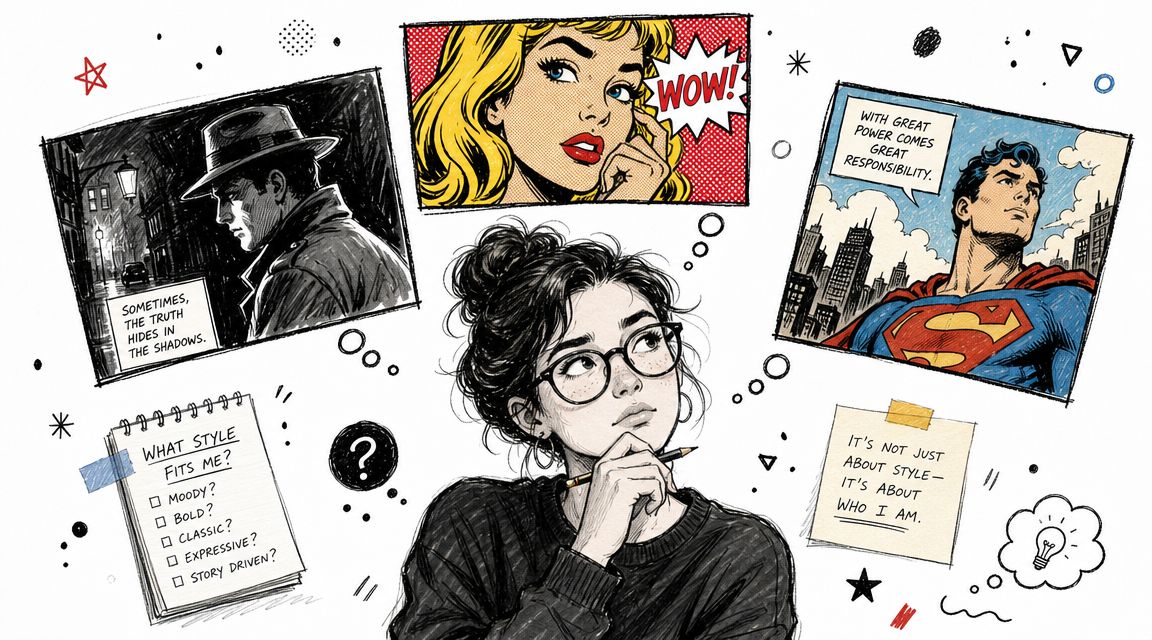
How the eight styles feel
For a more visual breakdown, this overview of different comic art styles helps if you're deciding between tones that are close but not identical.
Here's the practical version of the choice:
- Manga works for expressive characters, emotional beats, and big reactions. Good for energetic people and stories with warmth or playful drama.
- Classic American fits heroic framing, clean action, and bold character moments. Use it for origin-story gifts or celebratory “legend status” stories.
- Graphic Novel carries more realism and emotional depth. Strong for nuanced life-story gifts that mix humor with sincerity.
- Noir adds dramatic shadows and deadpan charm. Great for retelling a funny disaster as if it were a high-stakes detective case.
- Watercolor softens the whole experience. This is often right for sentimental family stories, romantic gifts, or memory-driven narratives.
- Cyberpunk suits tech lovers, gamers, futurists, and anyone who'd enjoy being turned into a neon antihero.
- Retro Pop is bright, witty, and slightly cheeky. Perfect for big personalities, vintage lovers, and stories that lean playful.
- Fantasy turns ordinary strengths into mythic ones. Good for people who love worldbuilding, adventure, or a little epic flair.
Match the style to the recipient, not just the plot
The same story can feel very different depending on how it's drawn. A “greatest hits of your life” comic in watercolor feels intimate. The same material in classic American style feels triumphant. In retro pop, it feels celebratory and witty.
Use this quick filter:
- If they love cinema or serious books, lean graphic novel or noir.
- If they're upbeat and socially magnetic, retro pop or classic American usually fits.
- If they're soft-spoken but deeply sentimental, watercolor often reads better than louder styles.
- If they already love comics, anime, gaming, or fantasy worlds, meet them where their taste already lives.
Don't choose the style that shouts the loudest. Choose the style that sounds most like the person when they walk into a room.
What usually doesn't work
Mismatch is the problem, not any one style. A gentle family tribute in cyberpunk can feel ironic when you didn't mean irony. A hilarious vacation disaster in watercolor can flatten the joke. A fantasy approach can feel costume-like if the recipient prefers realism.
When in doubt, choose the style that supports how you want them to feel at the end. Seen. Amused. Moved. Admired. The art should carry that emotion before they even read the first bubble.
Bringing Your Story to Life on PersonalizedComics
This is the part where the gift stops living in your notes app and starts becoming an object people can hold and reread. Modern personalized products already show how storytelling has replaced generic customization. Wonderbly's 40th birthday book uses a recipient's name and birthday to create a keepsake with editable pages, photos, and a message, which shows the shift toward individualized storytelling in gifts, as described on Wonderbly's milestone 40th birthday book page. A comic takes that same principle into visual narrative.
For this format, PersonalizedComics lets you upload photos, choose from eight art styles, write scenes and dialogue, and generate comic pages without drawing them by hand.
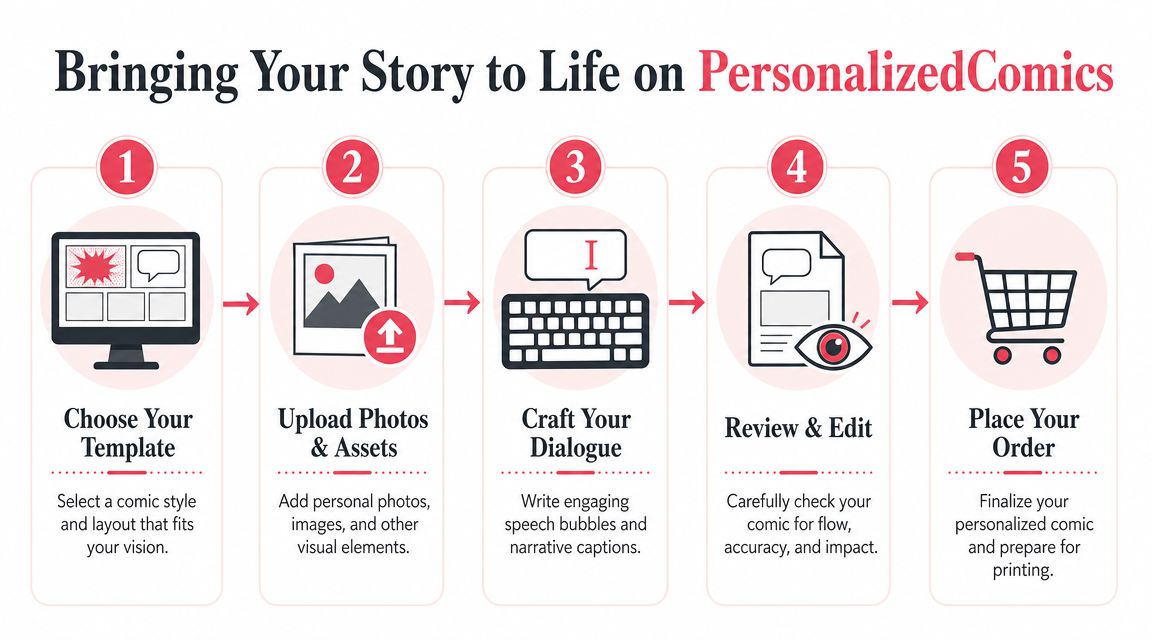
Build the comic in the right order
The easiest mistake is trying to write every panel perfectly before you've tested the visual direction. A smoother workflow goes in this order.
Choose the art style first
Pick the visual tone that matches the recipient. This gives the whole project a coherent mood.Upload your reference photos
Use photos where the person's face is clear and their features are easy to read. A good neutral expression helps, and an additional photo with their familiar smile or mannerism can help preserve personality.Define the cast
Decide who needs to appear. Keep the cast manageable. The birthday person is the anchor. Add supporting people only if they contribute to the story.Write page-level beats
Don't start with line-by-line dialogue. Start with page purpose. Example: Page 1 introduces the “legend.” Page 2 shows the early chaos years. Page 3 shows the turning-point trip. Page 4 lands the emotional payoff.
Write dialogue that sounds natural
Comic dialogue isn't the same as card-writing. It needs to feel spoken. Shorter lines usually work better than polished speeches.
A few habits help:
- Use real phrasing they'd say
- Cut explanation when the picture already tells the story
- Let one bubble carry one idea
- Save the longest text for captions, not speech balloons
Here's a simple before-and-after approach.
- Too stiff: “On this memorable occasion, we celebrate your resilience and many admirable qualities.”
- Better: “You somehow held this whole mess together. Again.”
That second version sounds like a person talking. That's what you want.
Use captions for emotional glue
Speech bubbles handle scene energy. Captions handle context and emotional framing. If you're making a personalized 40th birthday gift, captions are where you can gently widen the lens.
Useful caption jobs include:
- Time jumps such as “Before the promotion, before the road trips, before the dog who ate the passport…”
- Character framing like “Some people plan. Alex prepares for every possible disaster and three imaginary ones.”
- Landing the ending with a note of admiration or love that would feel awkward in every panel
The comic doesn't need to tell their whole life. It needs to tell a version of it that feels recognizably true.
Review for rhythm, not just errors
When the pages are generated, it's common to proofread for spelling and stop there. Better review catches pacing.
Read it as if you were the recipient. Ask:
- Does the first page hook fast?
- Does each page have one clear point?
- Is there a panel that people at the party will immediately point at and laugh?
- Does the ending feel earned, not generic?
If a page feels crowded, cut text before you cut emotion. If a scene needs context, add one caption instead of three extra bubbles.
Keep the scope realistic
A gift comic does not have to become a family archive. Shorter, focused comics often feel stronger because each page has a job. The sweet spot is usually a sequence of scenes that build one clear impression of the person.
That's what makes the process approachable. You're not trying to become a professional comics writer overnight. You're translating affection, memory, and observation into a visual story with enough structure to feel complete.
The Final Touches and Grand Unveiling
A custom comic can already carry a lot of emotion, but presentation changes how the gift is received. The final impression doesn't come only from what's printed on the page. It comes from the moment they realize this wasn't grabbed on the way to dinner. Someone thought it through.
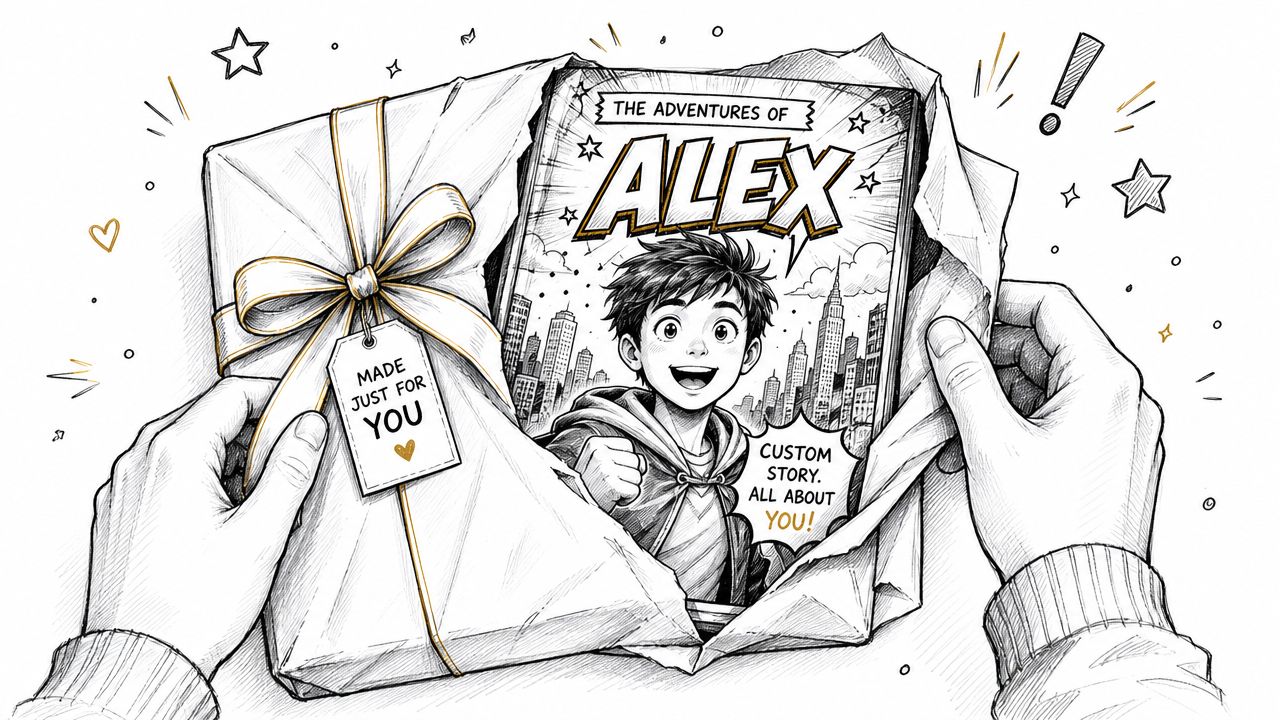
Gifting research repeatedly shows that recipients value gifts that signal thoughtfulness and fit their identity more than expensive or purely decorative items, as reflected in Etsy's personalized 40th birthday gift market page. That's why finishing details matter so much here.
Proof it like a keepsake
Before you print or gift anything, do one calm final pass.
Check for:
- Name accuracy including nicknames, spelling, and how family refers to people
- Date consistency if the story includes years, birthdays, anniversaries, or trip timing
- Tone consistency so one page doesn't feel wildly more sarcastic or sentimental than the rest
- Visual continuity especially recurring outfits, pets, props, or family members
Print a draft or read it on a different screen if you can. Tiny errors are easier to catch when the format changes.
Turn the handoff into part of the gift
The reveal can be quiet or theatrical. Both work if they fit the person.
One strong version is intimate. Hand them the comic before the party gets noisy. Let them read it first. Give them a beat to react privately before the room starts asking to see it.
Another version is communal. Wrap it in a box with one object from the story inside first. A toy compass if the comic centers on travel. A coffee bag if they're known for their morning ritual. A dog bandana if the family pet steals every scene. That small setup gives the comic a stronger entrance.
Add one companion piece, not five
People often overbuild gift presentation. Resist the urge to turn one thoughtful gift into a clutter pile.
A single companion item is enough:
- A framed panel from the funniest or most moving page
- A handwritten note explaining why you chose this story
- A story-themed snack or object that appears in the comic
- A simple gift bag with a title card that makes it feel like a special edition release
A keepsake feels more valuable when the presentation is clean and intentional, not overloaded.
If the comic is affectionate and well-paced, the person won't remember fancy wrapping. They'll remember the exact panel where they laughed, teared up, or looked up and said, “Wait, you remembered that?”
Frequently Asked Questions
Is my story idea too small for a comic?
Usually, no. Small stories often make better comics than giant life summaries. A single road trip, one family tradition, or the running joke that has followed them for years can carry the whole gift if the details are specific.
If your idea feels thin, add texture instead of adding scale. Pull in recurring phrases, visual details, and one or two moments that reveal character.
Do I need to be funny to make this work?
No. You need to be observant. Humor helps, but sincerity works just as well. Some of the strongest birthday comics are lightly funny and very warm.
If you are funny, keep the jokes attached to truth. That's what gives them staying power.
What if I'm bad at writing dialogue?
Write the way the person speaks. That's enough. Short lines beat polished lines almost every time.
A good trick is to say the line out loud. If it sounds like something nobody would say at a table, trim it.
Can I include multiple people in the comic?
Yes, but only include people who support the main story. Too many characters can make a gift comic feel scattered. If the point is the birthday person, every supporting character should reveal something about them.
If you're making a group gift, it often helps to give each person one memorable moment rather than trying to give everyone equal page time.
Should the comic be sentimental or practical?
A comic is already a keepsake, so it doesn't need to pretend to be a practical household object. That is its strength. It gives emotional value first.
If you want a little utility, pair it with something small tied to the story, but let the comic do the deeper work.
How polished does it need to be?
More polished than a joke card, less polished than a museum piece. You want it clear, coherent, and typo-free. You do not need literary perfection.
People forgive simple writing. They don't forget carelessness. So clean up names, timing, and obvious errors, then stop tweaking.
What if I'm running late?
A focused concept saves time. Pick one story spine, one visual tone, and one emotional destination. Don't try to tell everything.
A shorter comic with sharp scenes will feel more complete than a sprawling one assembled in a panic.
How do I know if this is the right personalized 40th birthday gift?
It's the right gift if the person values memory, humor, identity, shared history, or creative keepsakes. It's especially good for the person who already seems impossible to shop for because what they really want isn't another object. They want meaning.
If you want to turn a real life story into a gift instead of another generic birthday item, PersonalizedComics gives you a practical way to do it. You can start with photos, choose from eight comic styles, shape the story page by page, and create a printed keepsake without needing drawing skills.
Filed under Gift Guides