That sounds supportive, but it skips the part that stops many aspiring authors. Starting isn't usually the hardest move. Finishing, shaping, and packaging a book into something another person wants to read is where the actual work begins.
That's also why the phrase anyone can write a book is more useful when you hear it as an invitation, not a guarantee. You don't need permission to begin. You do need a plan to keep going. If you have an idea, a message, a memory, a lesson, or even a visual story you want to tell, you're already closer than you think.
The Myth and Reality of Writing a Book
The myth says authors are a special type of person. They wake up inspired, pour out perfect pages, and glide toward publication.
An ordinary, and far more hopeful, process exists. Writers rarely fall short due to a lack of ideas. Instead, they stall because the idea never transforms into a clear book.
A lot of aspiring writers get stuck before the middle of the draft. They have energy, notes, maybe even a few chapters. What they don't have is a firm target. The writing advice world keeps returning to the same problem: writers often stall when they don't have a clear premise or story destination before drafting, and that gap matters even more as AI tools make drafting faster but don't automatically provide structure or market fit, as discussed in Story Grid's guidance on finding a clear story target.
Practical rule: A book idea is not yet a book plan. Until you can say what the book is about, who it's for, and why it exists, you're still standing at the trailhead.
What people often confuse
Many beginners mix up three different things:
- Having something to say means you care about a topic, story, or experience.
- Having pages means you've produced raw material.
- Having a book means those pages work together in a deliberate order.
That last step is where confidence often drops. People think the problem is talent, when it's usually design.
A better way to think about difficulty
Writing a book isn't a wall. It's an obstacle course. One writer struggles with focus. Another with structure. Another with the fear that nobody will care. Those are real problems, but they can be solved one at a time.
I've seen many first-time authors relax once they stop imagining a mysterious literary process and start treating the work like a sequence of manageable jobs. Name the idea. Shape it. Draft it. Improve it. Package it. Share it.
That shift changes everything.
Why You Are Ready to Be an Author Today
You don't need to be a prodigy to become an author. You need enough clarity to begin, enough honesty to keep learning, and enough commitment to finish what you start.
That may sound simple. In practice, it's rare. A widely cited estimate says that out of every 1,000 people who begin writing a novel, only around 30 finish and just 6 see it published, according to Leilani Stewart's summary of novel completion and publication rates. The striking lesson isn't that writing is reserved for geniuses. It's that completion is the uncommon skill.
You are not applying for sainthood
A first-time author often imagines an impossible standard. They think they must be brilliant, original in every sentence, and fully confident before they begin.
You don't.
Think of an author less as a genius and more as a guide. If you know how to help a reader get from confusion to understanding, or from curiosity to emotion, you already have the bones of a book. A cookbook author guides dinner. A memoirist guides meaning. A comic creator guides the eye and heart through a sequence of scenes.
What makes someone ready
Readiness usually looks like this:
- You care enough to stay with the idea. Interest starts projects. attachment finishes them.
- You can explain the point in plain language. If a friend asks what the book is about, you can answer without wandering.
- You're willing to revise. First drafts are building material, not final products.
- You can choose a scope that matches your life. A short illustrated story may be a better first book than a sprawling epic.
Finishing a book is less like being discovered and more like assembling a machine that finally runs.
That is good news for ordinary people. Machines can be built step by step. So can books.
The modern advantage
Writers today have more paths than earlier generations did. You can write prose, create a practical guide, build a memoir with photos, or shape a comic book from a script and visual prompts. That means your author identity doesn't have to fit one old template.
If you've been waiting to feel chosen, stop waiting. The people who finish are usually the people who decide that steady progress matters more than drama.
Choosing Your Book Format and Genre
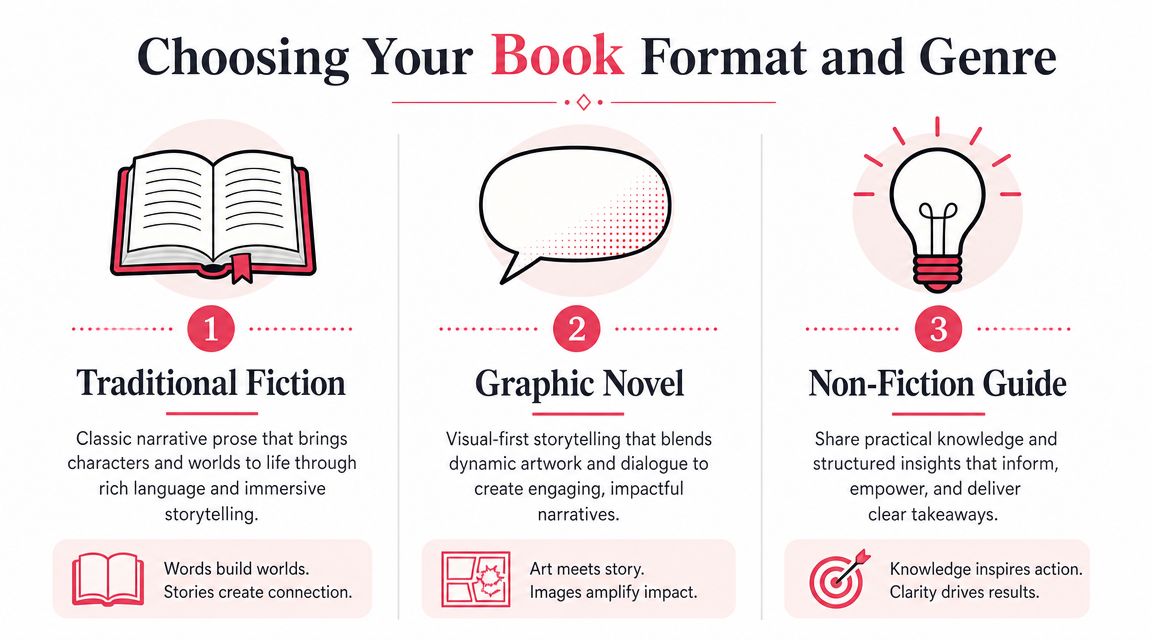
A lot of new writers make the project harder by choosing the wrong container. They assume "book" means long novel or dense nonfiction manual. It doesn't.
A book is a format for delivering an experience. That experience can be emotional, instructional, visual, playful, personal, or practical. Choosing the right form is like choosing the right vehicle for a trip. A bicycle, van, and sailboat can all get you somewhere, but not on the same road.
Match the format to your strengths
Some people think in scenes. Others think in lessons. Others remember life through moments, dialogue, and images.
That difference matters. If you naturally explain things, a guide may fit you better than a novel. If your strongest ideas arrive as visual moments and character interactions, a comic or graphic story may be the better first project. If your voice is reflective and personal, memoir may feel more natural than plot-heavy fiction.
| Format | Typical Length | Key Skill | Best For |
|---|---|---|---|
| Traditional Fiction | Flexible, often longer-form | Character, plot, scene writing | Writers who love narrative prose |
| Memoir | Flexible, focused on lived experience | Reflection, selection, emotional honesty | Writers with a personal story arc |
| Non-Fiction Guide | Often modular and structured | Teaching, organization, clarity | Experts, educators, hobbyists |
| Comic Book or Graphic Story | Flexible, scene-based | Visual storytelling, scripting, pacing | Writers who think in images and dialogue |
A simple decision filter
Ask yourself these questions before you commit:
- What comes to you first? Scenes suggest fiction or comics. Lessons suggest nonfiction. Memories suggest memoir.
- What can you sustain? If long prose drains you, don't force a format that fights your energy.
- What do readers need from you? Entertainment, instruction, comfort, laughter, or a keepsake each point toward different forms.
The overlooked option
Graphic storytelling deserves more respect than it usually gets in beginner writing advice. Many people who say "I want to write a book" mean, "I want to tell a story with momentum, images, and emotion." That's often a comic, illustrated story, or hybrid visual book.
For comic fans, gift-makers, teachers, and hobbyists, that route can feel far more achievable than a long traditional manuscript. The format also creates room for personal projects, such as a family story, anniversary narrative, classroom lesson, or short fantasy adventure.
The right first book is not the most prestigious-sounding one. It's the one you're most likely to complete well.
A Practical Plan from Idea to First Draft
People often treat drafting like a leap. It works better as a sequence.
Experts who write technical books recommend a staged workflow: build an audience, define a narrow topic, develop an outline, draft, then edit, with the outline serving as a structural specification that prevents gaps and reduces rework, as explained in Paul Cunningham's framework for writing technical books. Even if you're not writing a technical manual, the principle still holds. Structure first saves energy later.
Start with a one-line premise
Before you draft, write one sentence that answers three things: who this is for, what it gives them, and what makes it specific.
Examples help:
- Nonfiction guide: A beginner-friendly book that helps new gardeners grow food in small urban spaces.
- Memoir: A story about rebuilding family life after a major move.
- Comic: A romantic anniversary comic that turns real memories into illustrated scenes.
If you can't write that sentence yet, keep working there. The draft will be stronger for it.
Build the blueprint
A house looks exciting when walls go up, but the blueprint prevents expensive mistakes. A book outline works the same way.
Your outline doesn't need to be fancy. It can be a page of bullets, index cards, or a chapter list with notes. The point is to decide the order before the pages start multiplying.
Try this sequence:
Premise
Write the one-line promise of the book.
Core beats or chapters
List the major stops in the reader's journey. For a guide, these may be lessons. For a memoir, turning points. For a comic, scenes.
Scene or section purpose
Under each chapter, note what that part must accomplish.
Draft in small units
Write one scene, one section, or one chapter chunk at a time.
A messy outline is more useful than a beautiful first draft with nowhere to go.
Draft like a builder, not a judge
While drafting, separate creation from criticism. You are laying boards, not hosting the grand opening.
A few habits make this easier:
- Keep sessions small. Short, regular work beats rare marathons.
- Stop mid-thought sometimes. It's easier to return when the next sentence is already alive in your head.
- Mark weak spots instead of fixing everything immediately. Put a note in brackets and keep moving.
- Use tools that fit the format. Script templates help comic writers. Chapter docs help prose writers.
If you're exploring visual storytelling, a comic script can act like an outline and draft at the same time. This practical guide on how to write a comic book script shows how to break scenes into panels, dialogue, and page turns without overcomplicating the process.
Don't draft the whole universe
Narrow scope wins. A focused guide, a short memoir arc, or a concise comic story is often the smartest first project. Finishing one complete, coherent work teaches more than endlessly expanding a brilliant idea.
Navigating the Two Paths to Publication
Once the manuscript exists, a new question appears. Do you want a publisher to select and produce the book, or do you want to do that work yourself?
Those are the two broad paths: traditional publishing and self-publishing. Neither is morally better. They ask different things of the author.
Traditional publishing
This route usually involves querying agents or submitting to publishers, waiting through review cycles, and accepting a longer timeline in exchange for editorial and distribution support.
Some writers choose it because they want outside validation, industry partnership, and a team handling parts of production. Others find the gatekeeping frustrating. You may also give up some creative control over title, design, schedule, or positioning.
Self-publishing
This route gives you speed and control. You decide when the book launches, how it looks, how it's priced, and how it's marketed.
That freedom comes with responsibility. You have to think like both author and producer. Editing, cover design, formatting, printing decisions, and promotion don't disappear. They become your job, or the job of people you hire.
Key takeaway: Publication is not the finish line. It is the moment your creative project becomes a product that needs packaging, distribution, and attention.
Set expectations about money
Many beginners hope that publication itself solves the business side. It usually doesn't.
According to the Authors Guild's 2023 author income survey, the median book-related income for full-time self-published authors was $12,800, while the median for all authors surveyed was $2,000. Those numbers don't mean writing isn't worth pursuing. They mean financial sustainability is a separate challenge from authorship.
Which path fits your goal
Use your real priority, not your fantasy identity:
- Choose traditional publishing if you want institutional support and you're willing to trade time and some control for it.
- Choose self-publishing if you value speed, experimentation, and ownership.
- Choose a hybrid mindset if your projects differ. A practical guide may suit self-publishing, while another manuscript may be worth pitching.
A published book can be a business asset, a personal milestone, a teaching tool, a gift, or the beginning of a body of work. Knowing which one you want changes the decision.
The Visual Storytelling Revolution with AI
For years, many people had a story in their heads but crossed out one format immediately: comics. They assumed visual storytelling belonged only to people who could draw, ink, color, letter, and lay out pages.
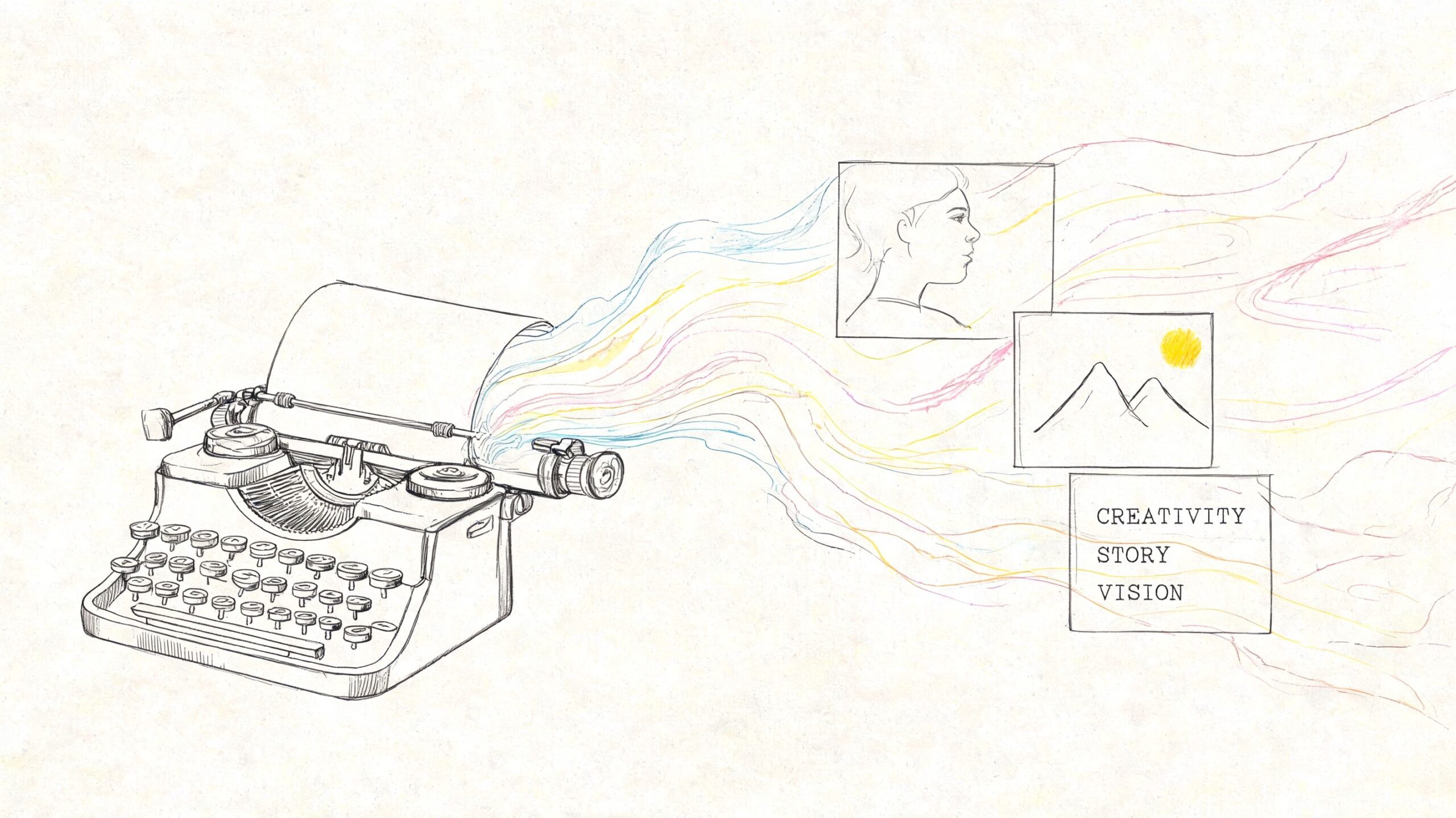
That assumption is fading. AI-assisted creative tools have opened a new path for people whose strongest stories are visual, emotional, or scene-driven. Someone can now write a comic the way another person writes a short memoir. They bring the characters, dialogue, memories, pacing, and intent. The tool helps turn those choices into pages.
A real shift in what counts as authorship
Plenty of beginners still picture only two valid options: a prose book or a standard nonfiction guide. That misses a growing middle ground. A comic memoir, a personalized gift book, an educational illustrated story, or a short fantasy graphic narrative can all be real books with real readers.
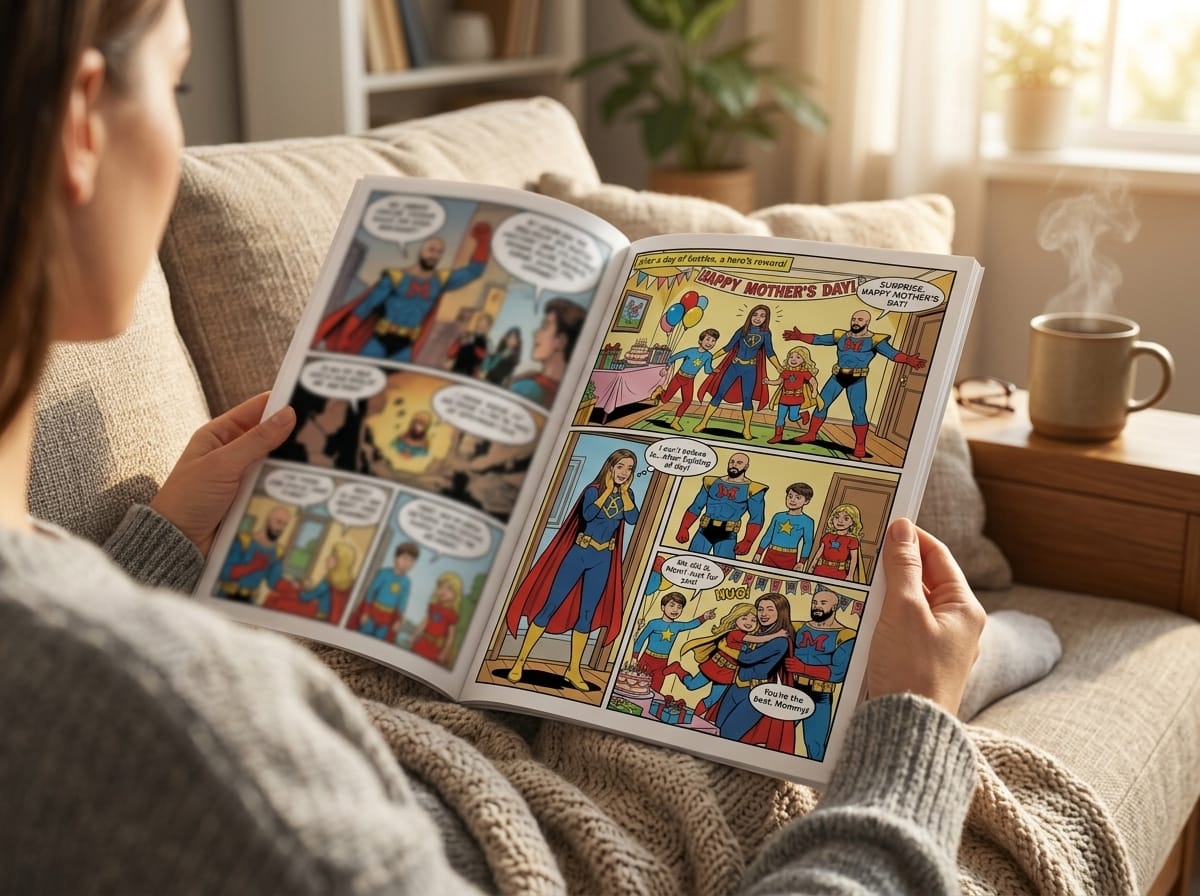
One useful example is PersonalizedComics' AI book maker, which lets users turn photos and story ideas into illustrated comic pages without needing drawing skills. That's not a replacement for storytelling. It's a different production model. The author still has to choose the concept, define the scenes, shape dialogue, and decide what the finished book should feel like.
One meaningful use case
Say someone wants to create an anniversary gift. They know the moments that matter: the first meeting, the awkward early joke, the road trip disaster, the proposal, the quiet habits that now define the relationship. In a traditional prose format, they may struggle to sustain the project. In a comic format, those same memories become scenes.
That changes the emotional math of the project.
Instead of asking, "Can I write a full book?" they ask:
- Which memories belong in the story?
- What should each page show?
- What does each character say?
- Which visual style fits the mood?
Those are author questions.
Why this matters for beginners
Visual storytelling lowers one kind of barrier while raising the importance of another. You may not need illustration skills, but you still need taste, structure, and care. The tool can generate pages. It can't decide what belongs in the story, what order creates impact, or which details make the book personal rather than generic.
That is why AI doesn't weaken authorship here. It often reveals it more clearly. The writer's real job isn't to manually perform every production step. It's to make narrative decisions that produce a meaningful experience for another person.
Finding Your First Readers and Fans
Many first-time authors treat marketing like an awkward afterthought. That makes the work harder than it needs to be.
Marketing begins much earlier. It starts when you decide who the book is for and why that reader would pick your version over other options. Research on domain-specialist books recommends designing for a specific reader skill level and studying competing books to improve on weak organization, outdated content, or missing insight, as described in this PMC article on writing specialist books.
Start smaller than your ego wants
You do not need "everyone." You need the right first group.
A few practical ways to find them:
- Name the exact reader. Not "people who like comics." Try "parents who want a personalized birthday story" or "fantasy fans testing a graphic novel concept."
- Talk about the problem your book solves. Readers respond faster to relevance than to announcements.
- Join communities before you promote. Niche groups, creator spaces, fandom circles, and hobby forums work better when you participate like a person, not a billboard.
Share the angle, not just the existence
Most books don't stand out because they exist. They stand out because they offer a clear reason to care.
That reason might be:
- A fresh format
- A more focused audience
- A warmer tone
- A more useful structure
- A personal story told in a memorable way
If you're publishing a comic, this guide on how to self-publish a comic book can help you think through production and audience decisions together.
Readers rarely ask, "Is this author famous?" First they ask, "Is this for me?"
That question should shape your description, your sample pages, your social posts, and even your title.
Your Story Is Waiting to Be Told
Anyone can write a book. Not because it's easy, and not because every draft becomes a career. Anyone can write a book because the path is no longer locked behind a single format, a single gatekeeper, or a single image of what an author looks like.
The work is still real. You need a clear idea, a manageable format, a practical drafting process, and a plan for publication and readers. But those pieces are learnable. They aren't reserved for the chosen few.
That matters if you've been carrying a story, a lesson, a memory, or a gift idea for years. You don't need to force it into a shape that doesn't suit you. Your first book might be prose. It might be a guide. It might be a comic that turns your own people and moments into a finished object you can hold.
What matters is that the story stops living only in your head.
If you want to turn an idea, memory, or script into a visual book without drawing it by hand, PersonalizedComics offers a practical way to create illustrated comic pages from your story and photos. It can be a useful option for gifts, classroom projects, early graphic novel concepts, or anyone who wants to become an author through visual storytelling as well as words.
Filed under Comic Craft