I see new creators stall because they treat every comic idea like a big publishing project. They start worrying about drawing ability, full scripts, character sheets, and perfect worldbuilding before they have chosen the size of the story. Short comics work better with a tighter decision process. Pick the project type first, then build the comic to fit it.
That is the useful shift in this guide. Instead of sorting ideas by genre, it treats each one as a workable comic project with its own page count, pacing, and production approach inside PersonalizedComics. A one-panel gag needs a different build than an anniversary keepsake. A four-page origin story needs different panel density than a classroom explainer. Choosing the format early solves half the creative problems before the writing starts.
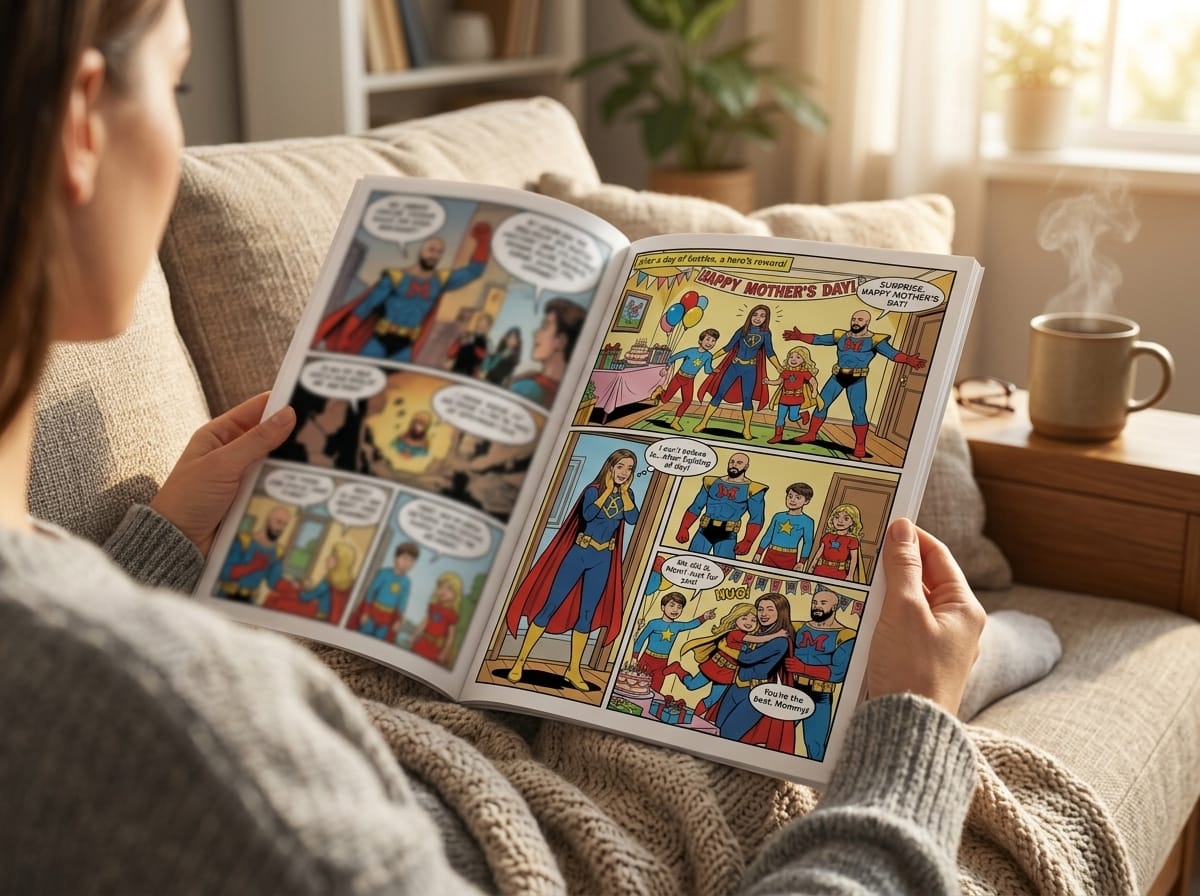
PersonalizedComics is built for that kind of practical workflow. You can turn a real photo into a character, choose a visual style that supports the tone, and generate finished pages with panels, dialogue, captions, and sound effects already in place. The platform does not use a subscription model. That makes it especially useful for short comic projects, where creators often want to test one idea, finish it, and move on to the next.
If your page is blank, do not ask which genre you should chase. Ask what you want to finish this week.
A joke for one image. A gift comic for a birthday. A mini character origin. A short classroom explainer. If you want extra prompt material before you pick a format, this collection of funny story ideas for comics and scenes is a strong place to start. Once the project type is clear, page count, structure, and style get much easier to decide.
1. One-Panel Gag Comics

The fastest way to finish a comic is to stop trying to write an epic. One-panel gag comics live or die on a single visual turn. A tiny climber treating a coffee mug like Everest. A pet acting like the household CEO. A friend reacting to a harmless text as if it’s a diplomatic crisis.
This format is ideal when you have one strong joke but no interest in building a full story around it. It’s also one of the best short comic ideas for testing tone. If your humor works in one image, you can later expand it into a series.
How to make the joke land
Start with a normal situation, then add one exaggeration. Don’t stack three weird ideas together. One strong twist reads cleaner than a crowded punchline.
Use PersonalizedComics to match the art style to the joke itself. Noir makes small problems feel absurdly dramatic. Watercolor softens awkward family humor. Retro pop works well when you want bright, greeting-card energy.
Practical rule: If the caption has to explain the whole joke, the concept isn’t visual enough yet.
A good one-panel comic usually has:
- A familiar setup: work stress, pets, dating, parenting, coffee, group chats
- A visual mismatch: treating something tiny like a mythic threat, or something serious like it’s casual
- A short line of text: one sentence is often enough
If you want a prompt bank before building your own, the ideas in these funny story starters are a strong jumping-off point.
One trade-off matters here. Photo-based personalization can make the joke more shareable, but only if the person in the comic is part of the joke and not just pasted into it. Use real faces for inside jokes, birthday cards, team humor, or friend-group comics. Don’t use them when the concept works better as a universal cartoon.
2. Mini Story Arc
A reader opens your comic on a phone, gives you four pages, and decides by page two whether the story is worth finishing. That makes the mini arc one of the best short comic ideas for creators who want a complete reading experience without building a long series.
PersonalizedComics is especially strong here because the format behaves like a real project, not just a prompt. You can plan a three to five page story, control the credit spend page by page, and test whether your concept carries tension, character, and payoff in a tight space. That constraint helps. Short comics improve fast when every page has a job.
Build around one problem, one turn, one payoff
The cleanest mini arc usually follows this shape:
- Page one: establish the character, setting, and immediate problem
- Page two: complicate the problem in a way the character cannot ignore
- Page three: force a choice or confrontation
- Page four or five: show the consequence, twist, or emotional release
That structure is small enough to finish and large enough to feel satisfying.
A solid project example is “The missing anniversary gift.” Page one starts with the gift gone and the partner arriving soon. Page two reveals the dog dragged the bag under furniture and tore it open. Page three turns into a scramble through the house. Page four lands the true payoff: the gift is damaged, but the handwritten note survives, and that becomes the scene that matters.
In my experience, weak mini comics usually lose momentum because page one does too much setup and the ending arrives too fast. Readers will forgive simple art sooner than they forgive a payoff that feels rushed.
Before you generate pages, write the arc in two sentences. Then break those sentences into page goals and panel actions. PersonalizedComics performs better when prompts describe visible story movement. Who enters the page, what changes, what the character realizes, and what must be true by the final panel.
If your cast needs a clearer visual identity before you script the scenes, this guide on how to draw a comic book character helps you define appearance and personality in a way the platform can use well.
For pacing help, this guide on writing a comic book script gives you a clean process to follow.
One trade-off is worth respecting. A mini arc can hold more emotion than a one-panel joke, but it also exposes weak scene choices fast. If you use photo-to-character for a personalized romance, family gift, or friend story, keep the plot simple enough that the reader recognizes the person and follows the action without confusion. If the concept needs a lot of exposition, cut the cast, reduce the locations, and keep the story focused on one turning point.
3. Character Spotlight and Origin Story
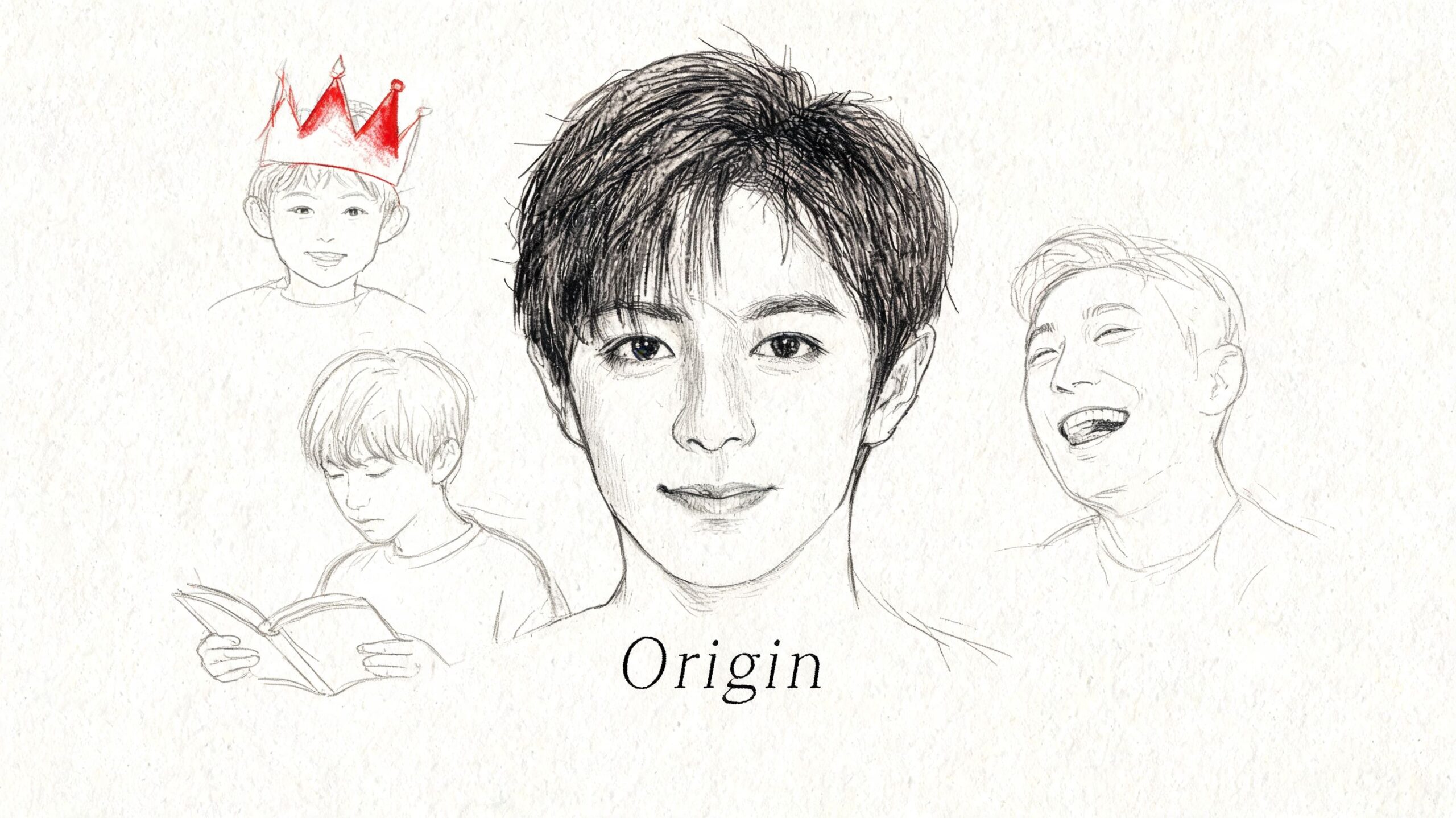
Some of the best short comic ideas don’t depend on plot at all. They depend on attachment. A character spotlight works when you want readers to care about one person fast, whether that person is an original hero, your partner, your child, your best friend, or even yourself.
This format is strong for gifts because it turns a person into the subject instead of using them as a background prop. A graduation comic, for example, doesn’t need a villain. It just needs a few defining moments, a visual identity, and one emotional throughline.
Build the comic around defining moments
Pick three moments that reveal who the person is. Not a full biography. Just the scenes that explain their personality.
A clean structure looks like this:
- Moment one: where they started
- Moment two: what challenged them
- Moment three: what they became
If you’re using PersonalizedComics, upload a clear photo and describe the person’s energy, not just their appearance. “Calm under pressure,” “always the funniest in the room,” and “acts tough but cries at dog videos” will help more than listing clothing details alone.
The visual style matters more here than in a joke strip. Watercolor can feel warm and personal. Graphic novel style gives the pages weight. Manga can work well if the emotion is big and sincere.
For design help, this character creation guide is useful because it sharpens what details define a memorable comic lead.
What doesn’t work is trying to include every life event. Four pages can support one identity story, not a full memoir. Choose the version of the person you want to celebrate. The loyal friend. The new parent. The reluctant hero of every family trip.
4. Comedy Series and Recurring Joke Format
If you’ve ever had a joke that keeps rewriting itself, you don’t need a single comic. You need a recurring bit. This format works when the premise is repeatable, like “every family dinner turns into a fantasy boss battle” or “the office printer behaves like an ancient cursed relic.”
Recurring comics are easier to sustain than many beginners expect because the structure does part of the writing for you. Once readers know the cast and the pattern, each new episode can get to the fun faster.
Create a repeatable formula
The best recurring joke formats have a stable engine:
- A fixed setting: kitchen, classroom, workplace, group chat, game night
- A clear role for each character: optimist, cynic, chaos agent, overexplainer
- A dependable comic trigger: misunderstanding, overreaction, literal interpretation, bad timing
A strong example is a pet series. In every installment, the family thinks they’re managing normal life. The cat thinks it’s running a covert operation. That premise can produce dozens of short comics without feeling stale.
PersonalizedComics helps here because visual consistency matters. Keep the same style across installments so the series feels branded. Classic American works well for clean, expressive humor. Retro pop is strong for exaggerated color and playful energy. Manga can handle reaction comedy if the facial expressions are part of the joke.
The recurring premise should be narrow enough to recognize instantly and broad enough to survive more than three episodes.
The common mistake is escalation without variation. If every comic ends with “and then everything exploded,” readers stop being surprised. Change the point of view. Let a side character drive one episode. Use silence in one comic and heavy dialogue in the next.
This format is excellent if you want to build a shareable body of work over time instead of chasing one perfect standalone idea.
5. Educational and Informational Comics
Educational comics work when you stop lecturing and start staging information. Readers don’t want a textbook with speech bubbles pasted on top. They want a guide, a problem, and visuals that make the explanation easier to remember.
That could mean a classroom comic about the water cycle, a workplace safety explainer, a “how to survive your first day at camp” comic for kids, or a family guide to house rules told through a superhero mascot.
Teach one thing at a time
The strongest educational comics keep each page focused. One idea, one example, one visual transformation. If you try to teach an entire system in a few pages, the comic collapses into summary.
Use a narrator character whenever possible. A teacher-avatar, a robot sidekick, a historical figure, or a student stand-in gives the information a voice and creates continuity between panels.
Here’s a practical page rhythm:
- Panel set one: show the problem or question
- Panel set two: explain the concept visually
- Panel set three: show the concept applied in real life
PersonalizedComics is well-suited for this because the page generation includes panel layouts, captions, and speech bubbles, which makes it easier to organize instruction. Graphic novel and classic American styles usually read clearest for educational work because linework and expressions stay easy to parse.
One especially useful angle is personalization. A parent can turn their own child into the lead character of a bedtime hygiene comic. A teacher can build a class mascot into a reading-skills comic. A youth leader can create a values-based mini story using real group references.
What doesn’t work is writing educational dialogue the way adults speak in meetings. Short comics need language that sounds spoken, not presented. Trim every sentence until it can be read aloud naturally.
6. Event Commemoration Comics
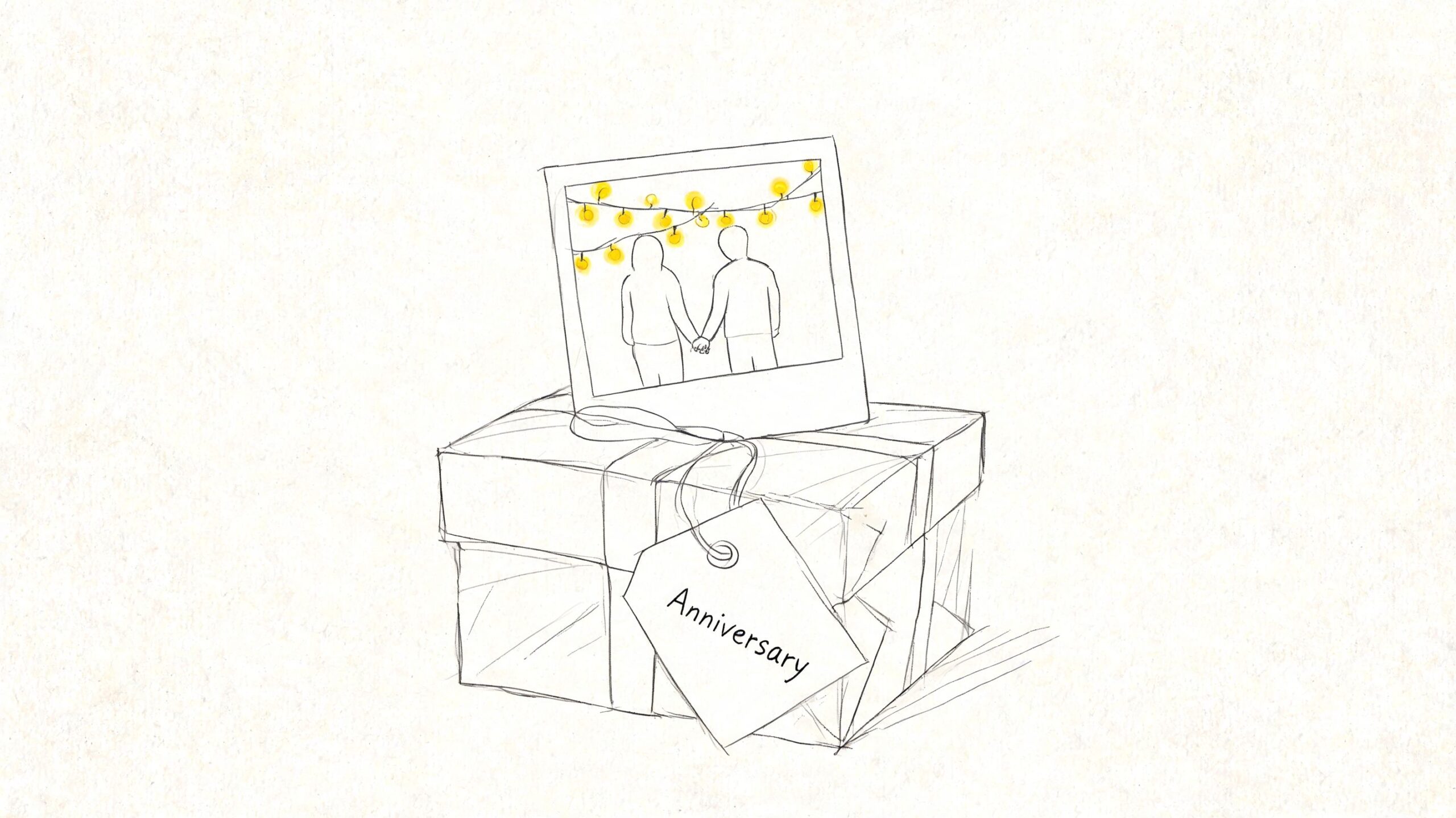
A week after the wedding, graduation, or retirement party, the camera roll is full and the story is already slipping apart. A short comic fixes that by turning one event into a finished keepsake with shape, pacing, and point of view. PersonalizedComics is especially strong here because photo-to-character lets you start from the actual people involved instead of rebuilding everyone from scratch.
This project type works best when you stop trying to archive everything. Short commemoration comics are edited memories. They keep the moments people retell.
A strong version usually fits in 3 to 6 pages. That is enough room for setup, a centerpiece scene, and one emotional afterbeat. For a proposal or baby announcement, 2 to 4 pages often reads better. For a wedding, reunion, or retirement tribute, 5 to 8 pages gives you room for supporting characters and small visual callbacks.
Build around scenes people remember
Full timelines usually read like a program recap. Pick three moments with contrast instead.
For an anniversary or event gift, use a structure like this:
- Page 1: anticipation. Getting dressed, traveling, hiding a surprise, last-minute nerves
- Page 2 to 3: the public moment. Vows, speech, reveal, award, graduation walk, first dance
- Final page: the private detail people treasure later. A joke in the car, a quiet hug, a ruined shoe, a line someone keeps quoting
That last beat matters. It separates a comic from a scrapbook.
Use exact details from the day. The crooked boutonniere, the rain delay, the overexcited flower girl, the phrase the best man repeated three times. Those specifics give the comic a personal stamp, and PersonalizedComics makes them easier to visualize because you can match faces, outfits, and group dynamics to the actual event.
Style choice should follow the occasion, not personal habit. Watercolor fits romance, family warmth, and memorial tributes. Retro pop works for birthdays, reunions, and playful retirements. Graphic novel style gives graduations, promotions, and milestone achievements more weight. If the comic will be printed, keep captions short and let the images carry the emotion. Framed or gifted pages need negative space and clear focal points.
One practical trade-off matters here. The more people you include, the less room each person gets to matter. If the event had twenty guests but the story belongs to two people, keep the crowd in the background and write the comic for the relationship at the center. That usually produces the better gift.
7. Slice-of-Life and Everyday Moments
A parent is standing in the kitchen at 7:12 a.m., one sock on, lunch half-packed, coffee cooling on the counter, and the dog is barking at nothing. That is already a comic. Slice-of-life works best when you treat ordinary pressure, affection, and repetition as the story instead of waiting for a huge plot twist.
This format is less about genre and more about project design. For PersonalizedComics, the sweet spot is usually 1 to 4 pages. One page captures a single relatable beat. Two to four pages gives the moment room to turn, which is what makes it feel finished instead of observational.
The turn matters. Routine by itself is a diary entry. A routine with a shift becomes a comic.
A practical build looks like this:
- Page 1: the normal pattern. Morning rush, commute, dishes, bedtime, walking the dog
- Page 2: friction enters. Someone forgets something, says the wrong thing, gets distracted, or overreacts
- Page 3: the emotional read changes. Annoyance becomes tenderness, embarrassment becomes self-awareness, chaos becomes an inside joke
- Page 4, if you use it: a small closing image that gives the moment staying power
That last page is often the difference between "funny because it happened" and "good enough to reread."
The strongest project types in this category are specific. "A day in my life" is usually too broad for a short comic. "The five-minute war before school," "our weekly grocery store argument," or "how my grandpa makes toast like it is a military operation" gives you timing, visual repetition, and a clear emotional angle.
PersonalizedComics is especially useful here because slice-of-life depends on recognition. Upload photos to turn real family members, roommates, or pets into consistent characters. Then keep the backgrounds familiar. The cluttered entryway, the dented kettle, the couch everyone fights over. Those details do more work than extra dialogue.
Style should match the emotional temperature of the moment. Watercolor suits family warmth, nostalgia, and quieter domestic scenes. Classic American style helps with readable expressions and sharper comedic timing. If the joke depends on reaction shots, choose the style that keeps faces clear at small panel sizes.
One trade-off shows up fast. The more routine your subject, the more selective you need to be. Real life contains too much repetition. Good slice-of-life comics cut straight to the pressure point, then stop early. If three panels can carry the joke or feeling, do not stretch it to six.
A simple rule helps. Ban explanation captions on the first draft. If two exhausted adults are staring at a sink full of bottles and lunch containers, readers already understand the situation. Use the space for a look, a pause, or one line of dialogue that only these characters would say.
That is how everyday moments become finished comics instead of notes for one.
8. Interactive and Choose-Your-Own-Adventure Format
Interactive comics sound complicated, but short versions are very manageable if you keep the branches tight. You don’t need a giant narrative tree. You need one setup, two or three meaningful decisions, and distinct outcomes that justify the choice.
This format is especially fun for creators making comics for kids, friend groups, classrooms, or fandom communities. It also works well for digital sharing because readers can compare the path they picked with someone else’s version.
Keep the branching under control
A practical setup might be “You find a mysterious key.” Then the choices split:
- investigate the attic
- open the garden shed
- ask your suspicious neighbor
Each path can become its own short comic, or you can design one comic with a decision point and create alternate follow-up pages in PersonalizedComics. The platform’s credit-based workflow makes that kind of modular production easier than hand-drawing every branch from scratch.
The key is consequence. If every choice leads to basically the same ending, readers feel tricked. Change the tone, the reveal, or the relationship outcome based on the decision.
One strong use case is personalized family adventure comics. Turn siblings or friends into the heroes using uploaded photos, then create alternate outcomes where they solve the mystery differently. Another is party content. Build a birthday comic where guests vote on what the comic hero should do next.
There’s also a broader personalization gap here. Many published prompt lists stay generic, while user interest has shifted toward comics built around real photos, family members, and custom characters. That gap is noted in Automateed’s discussion of short comic ideas and personalization opportunities.
Make the choice visible in the comic itself. A panel that ends with a real decision feels interactive. A branch hidden outside the story feels mechanical.
Don’t branch too early. Let readers meet the world first. A choice means more when they understand what’s at stake.
Short Comic Ideas, 8-Format Comparison
| Format | Implementation complexity | Resource requirements | Expected outcomes | Ideal use cases | Key advantages |
|---|---|---|---|---|---|
| One-Panel Gag Comics | Low, single-frame timing-focused | Minimal, 1 credit, one illustrated panel | Immediate laugh, high shareability | Quick gifts, social posts, greeting cards | Fast to produce, low cost, highly shareable |
| Mini Story Arc (3–5 Pages) | Medium, tight three-act pacing | Moderate, 3–5 credits, multiple panels/pages | Complete, satisfying narrative resolution | Prototypes, portfolios, personalized short stories | Affordable full-story, publishable, memorable |
| Character Spotlight / Origin Story | Medium, character-focused writing | Moderate, 2–4 pages, personalized photos beneficial | Strong emotional connection, character depth | Birthday/anniversary tributes, memoir-style gifts | Highly personal, keepsake value, emotional resonance |
| Comedy Series / Recurring Joke Format | Medium, must maintain consistency | Ongoing, 2–4 credits per installment, consistent art | Audience engagement and brand building over time | Building online following, regular content creators | Builds recognition, repeat engagement, scalable |
| Educational / Informational Comics | Medium–High, requires clarity and accuracy | Moderate–High, research, multiple panels, subject expertise | Improved comprehension, memorable lessons | Teachers, trainers, parents, instructional content | Effective for visual learners, makes complex topics accessible |
| Event Commemoration Comics | Medium, detail-accurate personalization | Moderate, clear photos/details, custom layouts | Unique keepsake, emotional commemoration | Weddings, graduations, retirements, reunions | One-of-a-kind gift, highly meaningful, shareable |
| Slice-of-Life / Everyday Moments | Low–Medium, observational writing skill | Low–Moderate, 2–4 pages, consistent character voice | High relatability, follower growth | Personal expression, social media, memoir snippets | Relatable content, quick to produce, builds community |
| Interactive / Choose-Your-Own-Adventure | High, branching structure planning | High, multiple versions/branches, higher credit cost | Replayability, deep engagement, varied outcomes | Streaming/gaming communities, educational scenarios | Highly engaging, encourages multiple readings, experimental storytelling |
Your First Comic is Four Pages Away For Free
A blank page gets easier the moment the project gets smaller. Four pages is enough to finish something with a setup, a payoff, and a clear point. It is also enough to learn the parts that matter most in comics: pacing, panel economy, character clarity, and ending on purpose.
That is why these eight formats work well as first projects. Each one is a complete assignment, not just a prompt. You can pick a format based on the result you want, then match it to a practical build inside PersonalizedComics.
A one-panel gag is the fastest test of voice. A mini story arc teaches setup and payoff. A character spotlight lets you introduce one person without building a whole world around them. Event comics work well when the goal is a gift people will keep. Slice-of-life pieces are strong practice for observation and tone. Interactive comics take more planning, but they show how structure changes reader experience.
Short comic ideas succeed when the scope stays honest. A four-page comic can land one joke, explain one concept, frame one memory, or follow one meaningful turn in a character’s day. It usually works best with one core beat per page. In practice, that means page one sets context, page two builds tension or interest, page three turns the idea, and page four delivers the finish.
PersonalizedComics fits that kind of project well because it removes the setup work that stops new creators. Pick an art direction such as manga, classic American, graphic novel, noir, watercolor, cyberpunk, retro pop, or fantasy. Upload a photo to turn a real person into a comic character, or describe one from scratch if you are inventing the cast. Then define the tone, write a short scene outline, and generate pages with panels, captions, speech bubbles, and sound effects already in place.
The trade-off is simple. Faster production means the concept needs to be clear before you generate. The platform handles a lot of visual labor, but the comic still improves when you choose one format, one emotional goal, and one ending before you start.
Start small and finish clean.
PersonalizedComics gives new users a free three-page preview comic at signup, which is enough to see a tight first project take shape. Use it on a short character piece, a mini story opening, or a one-panel joke sequence built around the same voice. Pick one project type from this list, match the style to the idea, and turn the spark into a finished comic while the momentum is still there.
Start your first comic with PersonalizedComics. Upload a photo or describe a character, pick your art style, and use your free three-page preview to see one of these short comic ideas come to life as a real, shareable comic in minutes.
Filed under Comic Craft