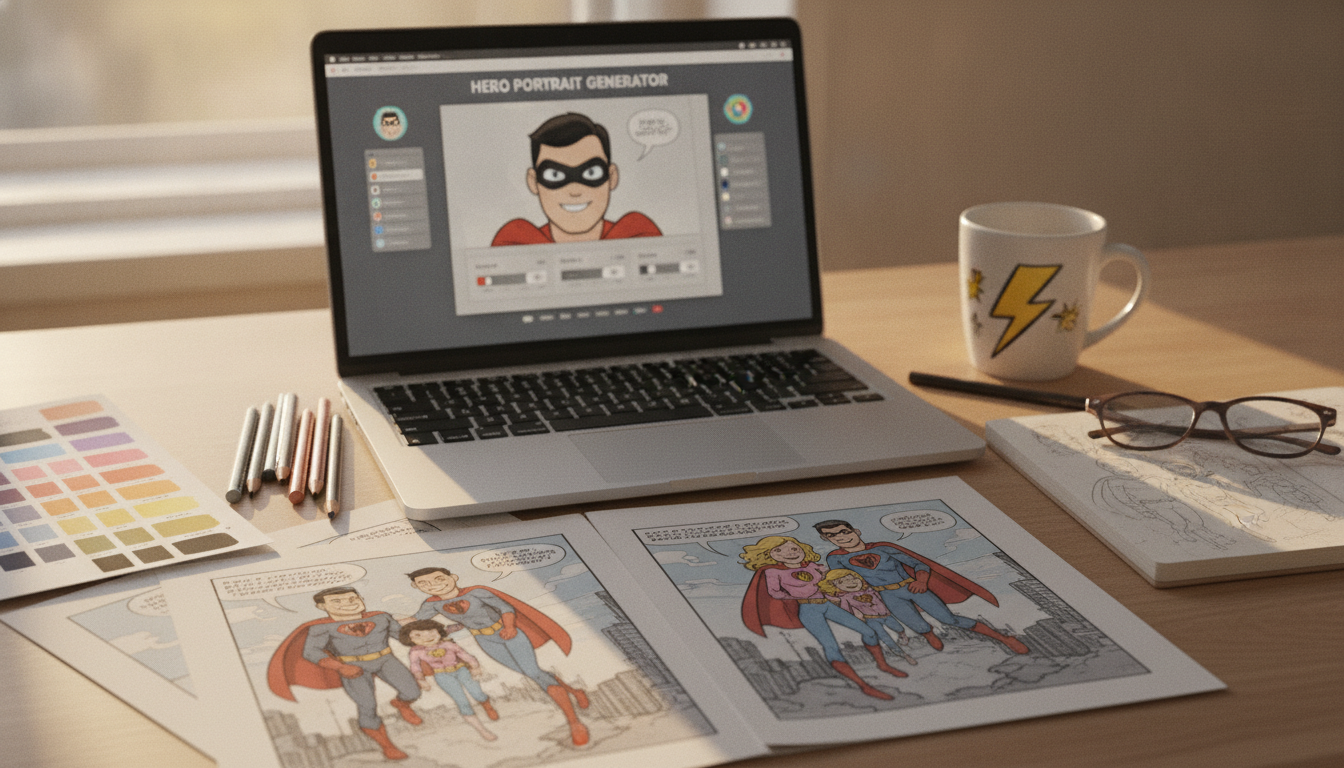
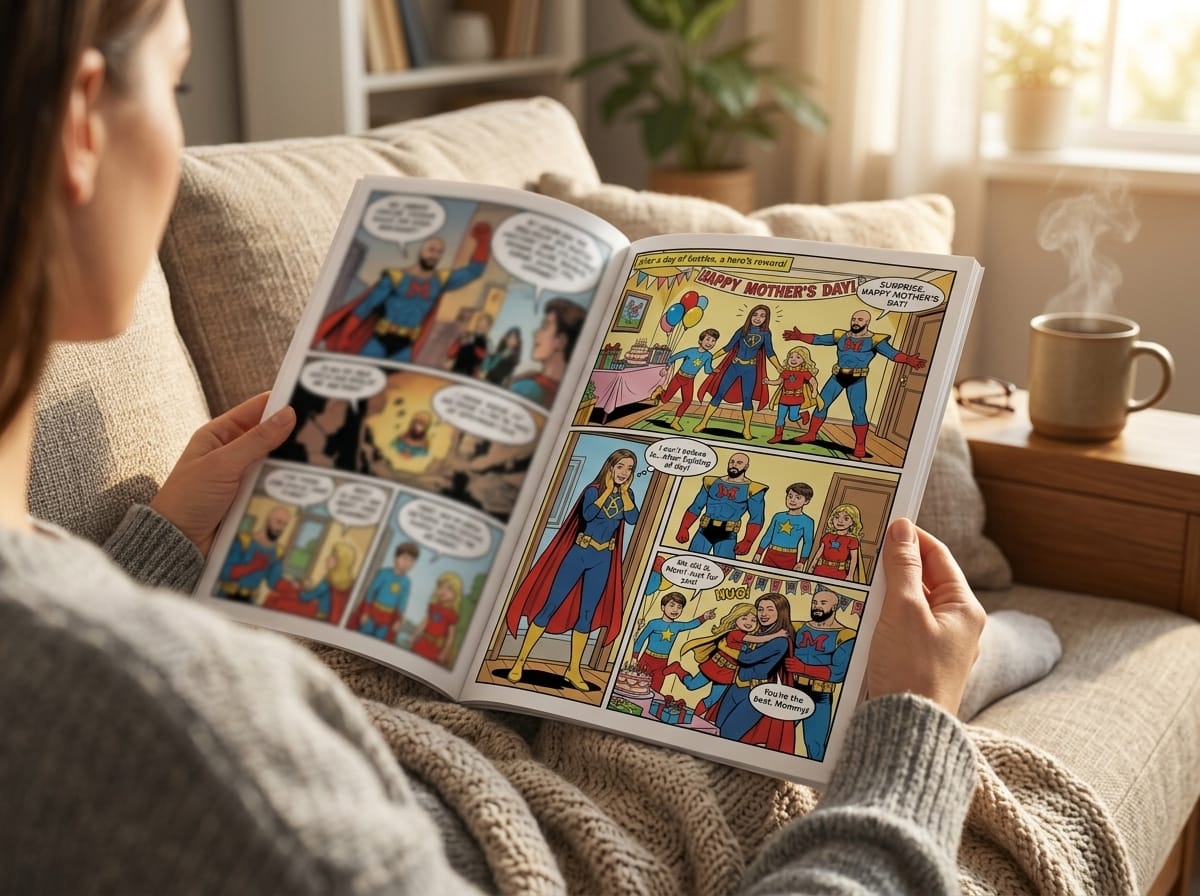
Maybe you’ve got a birthday coming up for someone who’s impossible to shop for. Maybe an anniversary is close, and a framed photo feels sweet but not quite enough. Maybe you want to celebrate a graduation, a friendship, a family milestone, or an inside joke that only two people in the world would understand. You don’t want another object. You want to give a feeling.
That’s where customized art gifts stand apart. They don’t just say, “I remembered.” They say, “I paid attention.”
And if you’ve ever looked at custom portraits, engraved keepsakes, or photo products and thought, “These are nice, but how do I make one feel deeply personal?”, the answer usually comes down to story. A gift becomes memorable when it captures not just what someone looks like, but who they are, what happened, and why that moment matters. That’s why custom comics are such a powerful example. They can hold a beginning, middle, and end. They can turn a memory into an experience you can read, laugh at, and keep.
What Elevates a Gift to Customized Art
A personalized item becomes customized art when it does more than add a name, date, or photo. It interprets a memory. It makes choices about mood, style, detail, and meaning. It turns raw material from real life into something shaped.
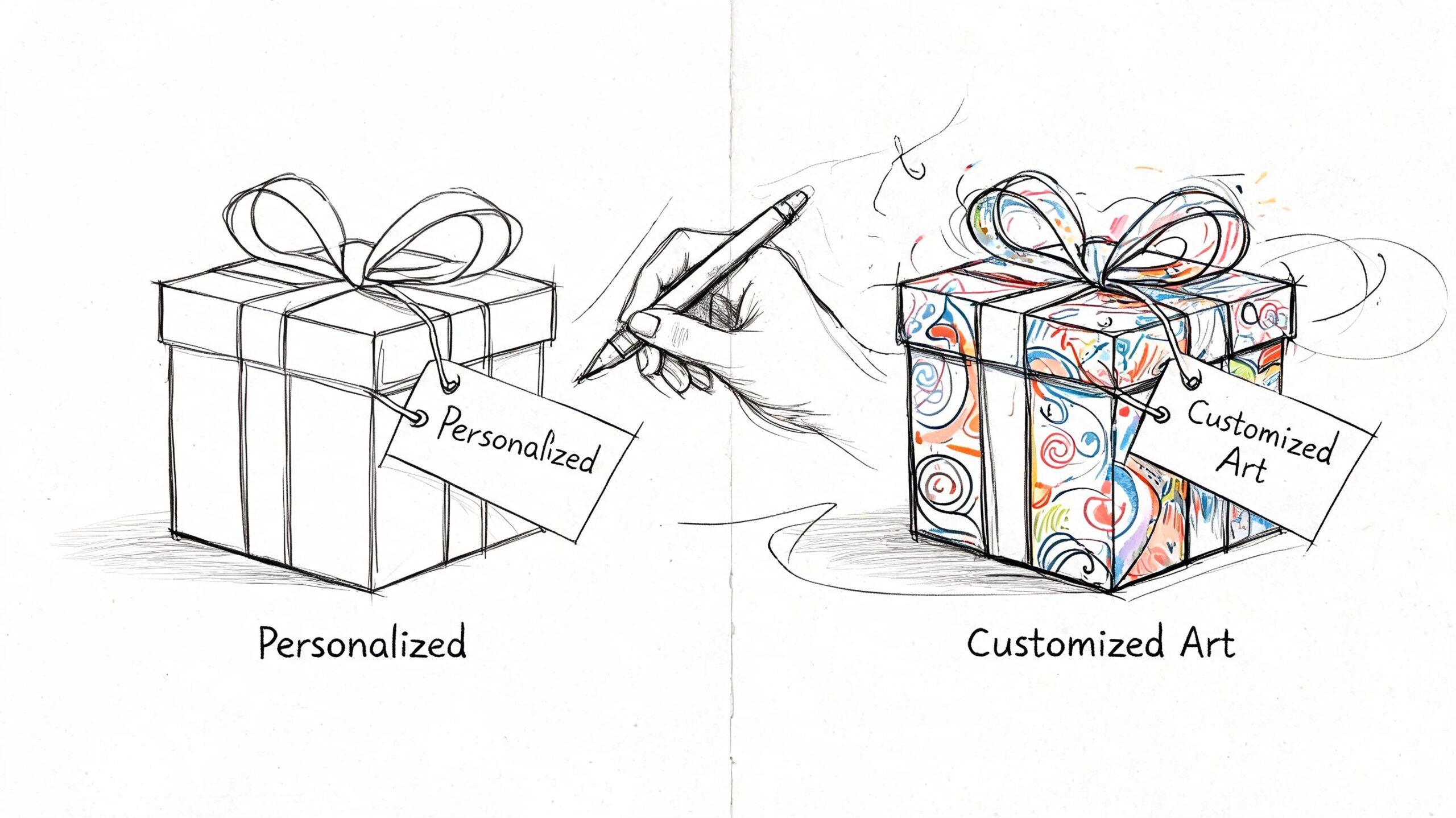
Think about the difference between a text message that says “happy anniversary” and a handwritten letter that recalls the restaurant where you first met, the rain that night, and the ridiculous dessert you still joke about. Both are personal. Only one feels layered. Customized art gifts work the same way.
That’s why people respond so strongly to them. The value isn’t only in the final image. It’s in the evidence of thought. Someone had to choose the moment, decide how to show it, and shape it into something the recipient could revisit later.
The broader market reflects that appetite for meaningful gifting. The U.S. personalized gifts market was valued at USD 8,919 million in 2024 and is projected to reach USD 15,185 million by 2030, growing at a CAGR of 9.2%, a shift linked to demand for emotionally resonant, bespoke items that preserve memories and foster connection, according to U.S. personalized gifts market research.
Personalization decorates, art interprets
A mug with a photo on it can be personal. A custom illustration of the same scene, with the dog included, the old apartment window in the background, and a caption using the couple’s favorite phrase, starts to become art.
That difference matters because people rarely cherish gifts for their information alone. They cherish them for what the gift helps them relive.
Here’s a useful test:
- If the gift only identifies the person, it’s personalized.
- If the gift expresses something about the person, it’s customized art.
- If the gift captures a sequence, emotion, or relationship, it starts to feel unforgettable.
Why story changes the emotional weight
A single image can be beautiful. A story can be magnetic.
When a customized gift includes context, it gives the recipient a path back into the memory. They don’t just see themselves. They remember what happened before and after. That’s why a custom comic often lands differently than a simple portrait. It can show the proposal setup, the nervous wait, the reaction, and the celebration. It can hold a family vacation as a mini adventure. It can turn a child’s imagination into a heroic quest.
Practical rule: If you can answer “why this moment?” in one vivid sentence, you probably have the seed of a strong customized art gift.
The hidden ingredient is perceived effort
People are moved by gifts that feel irreplaceable. Customized art signals care because it looks like it could only have been made for one person.
That doesn’t mean it has to be difficult. It means it has to feel intentional.
A rushed generic product says, “This could have gone to anyone.” A thoughtful custom piece says, “This belongs to your story.” That’s the leap. And once you start thinking that way, you stop asking, “What object should I buy?” and start asking, “What memory should I turn into art?”
A Spectrum of Custom Art Gift Ideas
Not every memory needs the same format. Some moments are best captured in a single image. Others need movement, sequence, or a little dramatic flair. The good news is that customized art gifts come in a wide range of forms, so you can match the format to the feeling.
Here’s a practical comparison.
Comparison of Popular Customized Art Gifts
| Gift Type | Best For | Personalization Level | Storytelling Potential |
|---|---|---|---|
| Custom digital portrait | Birthdays, housewarmings, pet lovers | High | Low to medium |
| Watercolor family illustration | Anniversaries, Mother’s Day, sentimental keepsakes | High | Medium |
| Star map art | Weddings, first dates, baby births | Medium | Low |
| Soundwave art | Songs, vows, voice recordings, milestone messages | Medium to high | Medium |
| Illustrated map or location art | New homes, travel memories, hometown pride | Medium to high | Medium |
| Custom silhouette art | Classic decor, heirloom-style gifts | Medium | Low |
| Personalized comic | Proposals, friendships, graduations, family stories, inside jokes | Very high | Very high |
A portrait is excellent when the point is presence. You want to celebrate a person, a couple, a pet, or a family, and freeze them in a beautiful visual form. It’s immediate and easy to display.
A star map or soundwave piece leans symbolic. It takes a moment, a song, or a voice and turns it into a design object. That can be elegant, especially for milestones where the emotional meaning is tied to one specific time or audio memory.
Static gifts and narrative gifts
Static art captures a moment. Narrative art captures momentum.
That’s the simplest way to decide.
If your gift says, “This is who we are,” a portrait or illustration often works well. If your gift says, “This is what happened,” a narrative format has an advantage. A custom comic can show the surprise party setup, the bad disguise, the moment the door opened, and the laugh that followed. It can build anticipation and payoff.
A portrait is like a favorite photograph on a wall. A comic is like opening a photo album where every page talks back.
When a single image is enough
Choose a static piece when the emotional core is visual and immediate:
- A beloved pet’s personality often shines in a portrait.
- A family home works beautifully as architectural or location art.
- A wedding date or first dance song can become symbolic wall decor.
- A minimalist recipient may prefer one refined image over a multi-page piece.
Static gifts also tend to fit spaces more easily. They become decor quickly.
When a story format wins
Choose a narrative gift when the relationship is built on episodes, humor, or shared memory.
That includes moments like:
- The way you met
- A travel adventure
- A long-running inside joke
- A child’s imaginary world
- A graduation journey
- A tribute to a parent or grandparent’s life chapter
Narrative gifts invite participation. The recipient doesn’t just glance at them. They read, notice details, and often show them to other people. That shared retelling is part of the gift.
A custom comic’s special advantage
A comic sits in a rare middle space. It’s artistic, but also conversational. It can be funny without becoming disposable. It can be sentimental without becoming stiff.
It also solves a common gifting problem. Many people have several good memories and can’t choose just one. A comic lets you combine them. One page can show the awkward beginning, another the turning point, another the emotional payoff. Instead of asking one image to carry the whole relationship, you let multiple scenes do the work together.
If you’re choosing among customized art gifts, start with one question: are you honoring a single moment, or telling a story someone will want to revisit? That answer usually points you to the right format. It works for tricky recipients too — the same logic narrows down gifts for a sister-in-law just as well as gifts for a partner or best friend.
Choosing the Right Art Style for Any Occasion
A gift can tell the right story in the wrong visual language.
That’s where many shoppers get stuck. They know the memory they want to celebrate, but they don’t know whether it should look playful, elegant, dramatic, nostalgic, or bold. Style isn’t decoration after the fact. Style changes the emotional message.
That confusion is common. A 2025 Etsy trend report found that comic-style personalized gifts surged 47% in sales among millennials, yet only 12% of listings explain style suitability. The same source notes that styled custom art retains 3x longer on display than plain photos, and that shoppers often leave when they don’t get enough guidance about matching styles to interests or hobbies. You can see those figures in this discussion of style suitability in personalized art gifting.
Start with personality before occasion
Occasion matters, but personality matters more.
A graduation gift for a quiet, reflective person shouldn’t look like a neon party flyer unless that contrast is intentional. An anniversary gift for a couple with a dry sense of humor might work better in a witty illustrated format than in a soft-focus romantic style.
Use this sequence when choosing:
- Name the recipient’s energy
- Name the emotional tone of the occasion
- Choose a style that fits both
If those two things clash, prioritize the recipient. The gift is for them, not for the abstract event.
A simple style matching guide
Here’s a practical way to think through common aesthetics.
- Watercolor and soft painterly styles fit tenderness. They work well for anniversaries, memorial pieces, family scenes, and gifts meant to feel warm and reflective.
- Bold pop art or retro-inspired styles suit playful personalities, birthdays, best-friend gifts, and high-energy celebrations.
- Noir or dramatic contrast-heavy styles can turn a funny detective-style inside joke or mystery-loving recipient into the star of their own cinematic world.
- Fantasy styles work beautifully for kids, gamers, readers, and anyone who loves quests, magic, or wonder.
- Cyberpunk or futuristic styles fit tech fans, sci-fi lovers, and graduates who’d enjoy something modern, electric, and slightly rebellious.
- Classic comic or graphic novel styles are versatile. They’re often the easiest choice when you want a balanced mix of emotion, action, and readability.
Don’t ask, “Which style looks coolest?” Ask, “Which style makes this person feel most seen?”
Match style to the emotional job of the gift
Every gift has a job. Some comfort. Some celebrate. Some make people laugh. Some honor identity.
Try these pairings:
| Emotional job | Good style direction | Why it works |
|---|---|---|
| Comforting and sentimental | Watercolor, soft illustration | Gentle edges support tenderness |
| Funny and energetic | Retro pop, bold comic styling | Exaggeration helps comedy land |
| Epic and aspirational | Fantasy, graphic novel | Big visual worlds fit transformation |
| Sophisticated and timeless | Minimalist, realistic, classic portraiture | Clean presentation feels enduring |
| Quirky and highly personal | Stylized comic, noir, genre-specific art | Distinct visual choices amplify individuality |
For readers exploring comic aesthetics in more depth, this guide to different comic art styles is useful because it shows how visual genres create different moods.
Three questions that prevent style mismatch
People often overthink style because they start with labels. Start with reactions instead.
Ask yourself:
- Would this person frame it, laugh at it, or reread it?
- Do they love polished elegance or expressive personality?
- If this gift were a movie poster, what genre would fit them best?
That last question is especially helpful for custom comics. A couple’s love story can become a romantic watercolor, a screwball comedy, or a heroic adventure. The facts don’t change. The tone does.
Common mistakes to avoid
A customized art gift feels off when the style fights the story.
Watch for these traps:
- Too much visual intensity for a gentle memory
- Too subdued a style for a playful recipient
- Following trends instead of the recipient’s taste
- Ignoring hobbies, fandoms, or personal aesthetics
A good style choice acts like the right soundtrack. It doesn’t distract from the story. It helps the story land where it should.
Preparing Your Story and Photos for Creation
The blank-page feeling often stops people before they start.
They assume they need to be a writer, an art director, and a photo editor all at once. You don’t. You just need to gather the ingredients. Imagine cooking from a meaningful family recipe. The finished dish may look impressive, but the early work is simple: choose the right ingredients, prep them well, and follow the sequence.
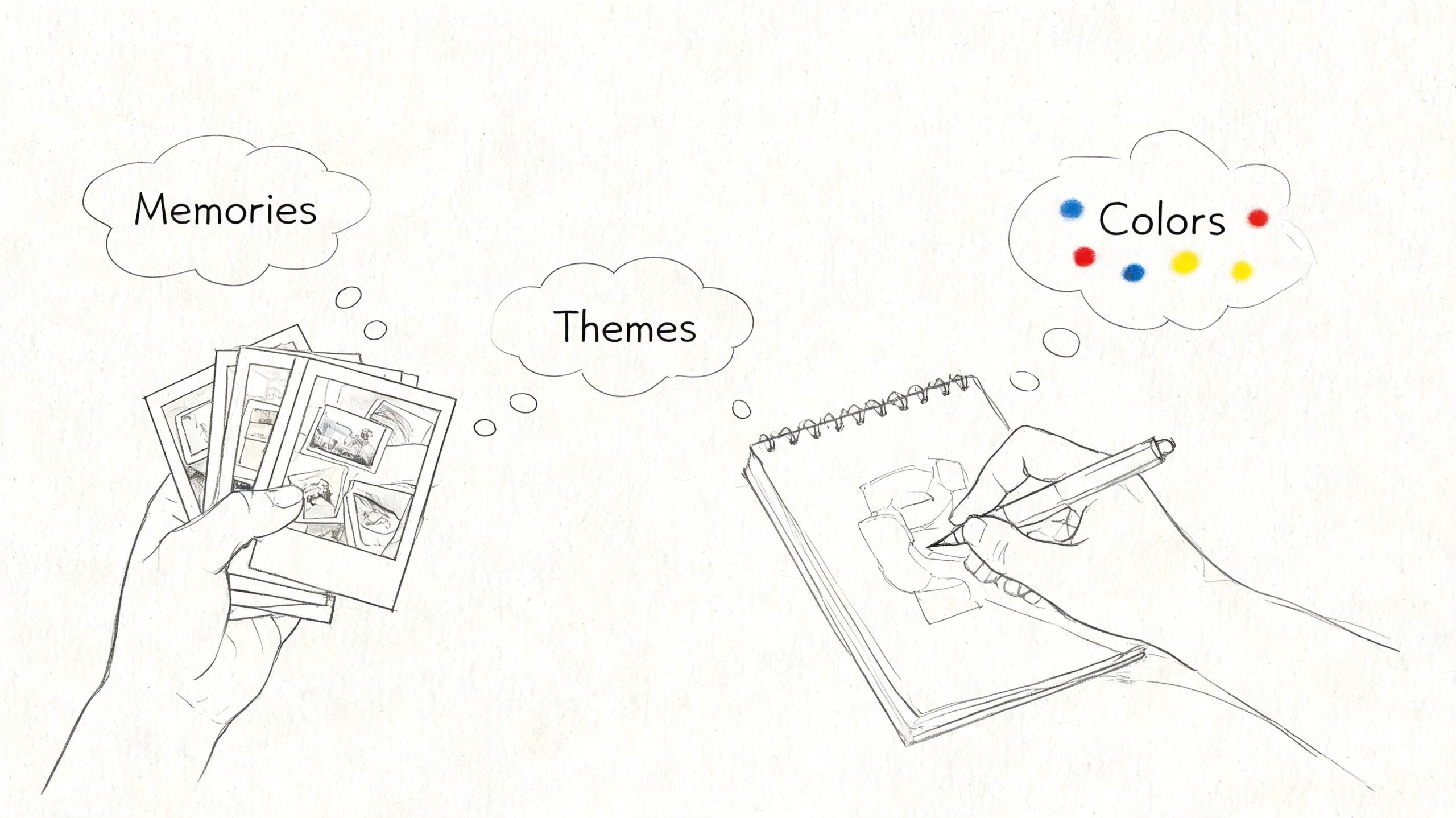
Pick photos that show identity, not just appearance
A technically sharp photo isn’t always the best source image. What matters most is whether it captures the person in a recognizable, expressive way.
Look for photos with:
- Clear facial expressions so the final art feels alive
- Good lighting because shadows can hide important features
- A familiar hairstyle or signature look that makes the person instantly recognizable
- Clothing or props that matter like a graduation cap, guitar, favorite jacket, or sports gear
- Context clues such as a beach, kitchen, city street, or living room that help tell the story
You don’t need every photo to be perfect. You need enough visual information to represent the people and the mood.
If you’re turning real images into illustrated panels, this article on how to turn photos into comic book art gives a helpful overview of what kinds of photos translate well.
Build your story from scenes, not summaries
Prompts are often written too broadly. They say, “Make a comic about our relationship.” That’s heartfelt, but it’s hard to visualize. A better approach is to break the story into scenes.
Use this simple sequence:
Opening moment
Where does the story begin? At a coffee shop, airport, school hallway, family dinner table?Key turning point
What changed things? The first conversation, the surprise reveal, the move, the joke that became tradition?Emotional payoff
What should the recipient feel by the end? Laughter, pride, tenderness, gratitude, excitement?
That’s enough to shape a short but satisfying narrative.
Write prompts like stage directions, not like a biography. “Two friends miss their train, laugh in the rain, and decide to explore the city anyway” is easier to turn into scenes than “We’ve had many adventures together.”
Use a memory worksheet before you create
When readers feel stuck, I suggest writing down these five lines:
- Who is in the story
- What happened
- Where it happened
- Why it mattered
- One phrase they’d say
That last one is gold. Real speech gives a customized art gift texture. Even one familiar phrase can make the whole piece feel authentic.
Keep dialogue short and specific
You don’t need polished scriptwriting. In fact, shorter is usually better.
Try lines like:
- “You’re definitely reading the map upside down.”
- “This is either a terrible idea or our best one.”
- “I knew it was you the moment you laughed.”
- “We should’ve taken one normal vacation photo.”
Those lines sound human. They suggest a relationship. They also leave room for the art to do part of the storytelling.
Gather details that only the recipient would notice
The smallest details often create the biggest emotional reaction.
Include things like:
- A pet’s odd habit
- The café where you always met
- A nickname only close friends use
- The object from a shared memory
- The weather, season, or time of day
These details are what separate a generic custom gift from a memory capsule. You aren’t just providing source material. You’re giving the artwork its heartbeat.
How to Make a Custom Comic Book Step by Step
A custom comic sounds complicated until you break it into a few manageable decisions. You’re doing what any good storyteller does. You choose the cast, decide the tone, outline what happens, and shape the words people say.
The technical side can handle a lot of the heavy lifting. According to this market report on AI in personalized gifts, AI-driven platforms for comic creation use machine learning models trained on comic art, including GAN-based character stylization that turns real faces into illustrated characters through landmark detection and texture mapping. In plain language, that means the system helps preserve recognizable features and visual consistency while cutting creation time from hours to minutes.
Step 1 with custom comics, decide the gift’s core angle
Before you think about pages or dialogue, identify the comic’s central promise.
Is it:
- a romantic retelling
- a funny origin story
- a family adventure
- a graduation hero arc
- a tribute to someone’s personality
- a fantasy version of real life
A strong comic usually does one thing clearly. It can be heartfelt and funny, or epic and affectionate, but it shouldn’t try to be every genre at once.
Step 2 choose the moment range
Many first-time creators make the story too big. They try to cover ten years of memories in a few pages. That usually makes the comic feel rushed.
A better move is to choose one of these scopes:
| Scope | Works well for | Why it helps |
|---|---|---|
| One memorable event | Proposal, trip, party, surprise | Easy to structure |
| A short sequence of milestones | First meeting to engagement, childhood to graduation | Gives progression |
| A “what if” scenario | Turning someone into a superhero, detective, wizard | Adds fun and imagination |
| A character tribute | Celebrating someone’s quirks and habits | Great for birthdays and friendship gifts |
Shorter scope often creates stronger storytelling because each page has room to breathe.
Step 3 select an art style that supports the story
The subsequent choices determine the tone. If the comic is romantic and dreamy, choose a softer visual approach. If it’s an action-packed birthday surprise, use something bolder. If it’s a parody of detective movies, a darker cinematic style may fit.
Think of style as casting the story in the right genre. The same plot can feel completely different based on the visual treatment.
Step 4 create the characters from photos or descriptions
For real people, choose source photos that show clear faces and recognizable features. If the platform allows original characters, describe them in concrete terms. Avoid vague phrasing like “cool-looking hero.” Be specific.
Try details such as:
- curly dark hair
- round glasses
- bright yellow raincoat
- confident smile
- always carrying headphones
- athletic build
- expressive eyebrows
Specificity helps the visual result feel personal rather than generic.
If a person has one unmistakable trait, include it. The red scarf, the half-smile, the always-messy bun. Recognition creates delight.
Step 5 outline the plot in beats
You do not need a full script. You need beats.
A beat is one meaningful unit of action. For example:
- They meet in a bookstore and reach for the same novel.
- It starts raining as they leave, and they hide under one tiny umbrella.
- Years later, one of them recreates that moment during a proposal.
That’s a complete emotional arc. It has setup, development, and payoff.
For a four-page comic, a simple structure works well:
- Page 1 introduces the situation
- Page 2 builds tension or humor
- Page 3 delivers the key emotional turn
- Page 4 lands the final moment and ending note
Step 6 write dialogue like real speech
Comic dialogue works best when it sounds spoken, not narrated from a distance.
Good dialogue is:
- short
- character-specific
- emotionally clear
- easy to read in a speech bubble
Avoid explaining everything. Let the images carry part of the scene.
Instead of:
“We are now embarking upon the beginning of a very important journey together.”
Try:
“So this is really happening.”
“Yep. No backing out now.”
That second version sounds like people.
Step 7 add narration only where it helps
Narration can be useful for time jumps, scene-setting, or emotional framing. But too much narration can flatten a comic.
Use it sparingly for lines like:
- “Three missed trains later, the trip became legendary.”
- “He thought it was just dinner.”
- “No one expected Grandma to win the karaoke contest.”
Narration should support the visuals, not compete with them.
Step 8 review for coherence, not perfection
When you review your comic setup, ask:
- Does each page have a clear purpose?
- Is the recipient recognizable?
- Does the style fit the mood?
- Is the ending emotionally satisfying?
- Would someone unfamiliar with the story still understand what’s happening?
You don’t need masterpiece-level complexity. You need clarity and heart.
Step 9 think about reread value
The best custom comics reward a second look. Add a callback, a repeated phrase, or a tiny background detail that means something to the recipient.
Examples include:
- the same lucky hat appearing in multiple scenes
- a pet photobomb in the background
- a phrase from page one returning on the final page
- a hidden object linked to an inside joke
Those touches make the gift feel composed, not merely assembled.
Step 10 remember what makes the comic special
The magic of a custom comic isn’t just that people become illustrated. It’s that ordinary life gets treated with narrative importance.
A late train, a first awkward conversation, a kitchen dance, a graduation walk, a sibling prank, a child’s wild imagination. Comics let these moments wear costumes without losing their truth. That’s why they work so well as customized art gifts. They can be theatrical and intimate at the same time.
Navigating Pricing Production and Delivery
Creative gifts feel exciting right up until the practical questions show up. How do you pay for it? What are you buying? How long should you leave for printing and shipping? Those questions matter because a wonderful idea can become a stressful gift if the logistics are vague.
Why pricing model matters
Customized art is easier to budget for when the pricing matches the way people create.
A credit-based system is usually more flexible for one-off gift projects than a subscription. If you’re making a birthday comic, an anniversary piece, or a short family story, you probably don’t want a recurring monthly charge hanging over the process. You want to create the pages you need, when you need them, and stop there.
That model also suits experimentation. You can prototype a shorter story, review the results, then decide whether to expand it.
By contrast, subscription models often make more sense for people producing content regularly, such as ongoing creative projects or repeated business use. For gift shoppers, flexibility often feels simpler.
Think in pages, not packages
When reviewing pricing, ask what the unit of creation is.
For custom comics, the clearest unit is usually the page. That helps you decide:
- How much story do I want to tell?
- Do I need a short keepsake or a more developed narrative?
- Am I paying for access, or for output?
That distinction prevents surprise costs. Transparent creative pricing should let you connect your budget directly to the size of the final story.
A gift project feels manageable when every extra page represents a conscious storytelling choice, not a hidden fee.
What to check before ordering a physical copy
Physical production adds another layer. Digital art can be ready quickly, but printed copies require setup, quality checks, printing, and shipping time.
Look for answers to these questions:
Paper quality
Does the comic use premium stock that suits color artwork?Binding style
Is it presented like a proper comic book, booklet, or softcover format?Color consistency
Will the printed version preserve the mood and palette of the digital art?Proofing and review
Can you review the pages before placing the print order?Shipping windows
Is there enough buffer before the birthday, holiday, or event?
If you’re planning a printed comic as a gift, order earlier than feels necessary. Personalized products need room for revision and production.
For readers who want to understand the bigger print journey behind comic creation, this guide on how to self-publish a comic book offers useful context.
A practical timeline mindset
Don’t treat a customized art gift like an off-the-shelf purchase. Treat it like a mini creative project with production.
That means building in time for:
- gathering photos and story notes
- generating or designing the pages
- reviewing details and fixing anything off
- ordering the printed version
- waiting for delivery with a comfortable cushion
That buffer is part of the craft. It keeps the process fun instead of rushed.
The Lasting Impact of a Truly Personal Gift
The best customized art gifts don’t end when the wrapping paper comes off.
They keep working. A recipient rereads the comic. A family member pulls it off the shelf to show a visitor. A couple laughs again at the same dialogue bubble. A child sees themselves as brave, magical, funny, or loved. The gift becomes part object, part ritual.
That’s why story matters so much. A standard gift can be appreciated in the moment. A story gift can be returned to.
A custom comic shows this especially well. It can hold the facts of a memory, but also its atmosphere. The nervousness before a proposal. The absurdity of a travel mishap. The warmth of a family tradition. The superhero version of a person you already adore in real life. That combination gives the gift staying power.
If you’ve been hesitating because you’re “not creative enough,” let that go. Creativity here isn’t about drawing ability or perfect writing. It’s about noticing what matters and shaping it with care. Pick the right memory. Choose a fitting style. Gather a few strong photos. Build a simple arc. That’s enough to turn a nice idea into a keepsake someone will revisit for years.
Shopping for a festival instead of a birthday? Custom art makes a memorable pick for the festival of lights too – our guide to Diwali 2026 dates, traditions, and gift ideas pairs traditional presents like sweets and diyas with personalized keepsakes.
Grandparents may be the easiest match of all for keepsake art – if Grandma is on your list this year, our roundup of Christmas gifts for grandma leads with the most sentimental custom pieces.
If you’re ready to turn a memory into a gift with real story power, PersonalizedComics makes that process approachable. You can choose from eight art styles, upload photos, shape the plot and dialogue, and create a one-of-a-kind comic without drawing skills or a subscription (credit packs start at $9.99). For anyone who wants to give customized art gifts that feel vivid, playful, and personal, it’s a compelling place to start.
Filed under Gift Guides