Best Personalized Gifts for Kids That They’ll Cherish
You're standing in the toy aisle, or scrolling late at night with too many tabs open, trying to solve the same problem gift-givers face every year. You want something fun, but not forgettable. Something personal, but not cheesy. Something a child will continue to use after the excitement of tearing open the wrapping paper fades.
That's why so many people keep coming back to personalized gifts. A well-chosen custom gift feels different from a generic toy because it tells a child, “I thought about you specifically.” That message lands in a way a random boxed set or trendy gadget often doesn't.
It also helps to know this isn't a tiny niche. The global personalized gifts market was estimated at $30.79 billion in 2025 and is forecast to reach $45.09 billion by 2030, which shows just how firmly personalization has moved into mainstream retail. Children's gifts are a natural part of that category because kids respond so strongly to seeing their own name, story, and interests reflected back to them.
The trick is choosing the right kind of personalization. Adding a name to any object isn't automatically meaningful. Some custom gifts become daily favorites. Others feel personal for five minutes and then end up in a drawer.
Finding a Gift That Lasts Longer Than the Wrapping Paper
A child opens five gifts in a row. Two are noisy plastic toys. One is already similar to something they own. One gets a quick “cool” and is set aside. Then they open a gift with their name woven into the story, artwork, or design, and the reaction changes. They pause. They look again. They realize this one was made for them.
That moment is the true aim when searching for the best personalized gifts for kids. Not novelty. Not extra decoration. Recognition.
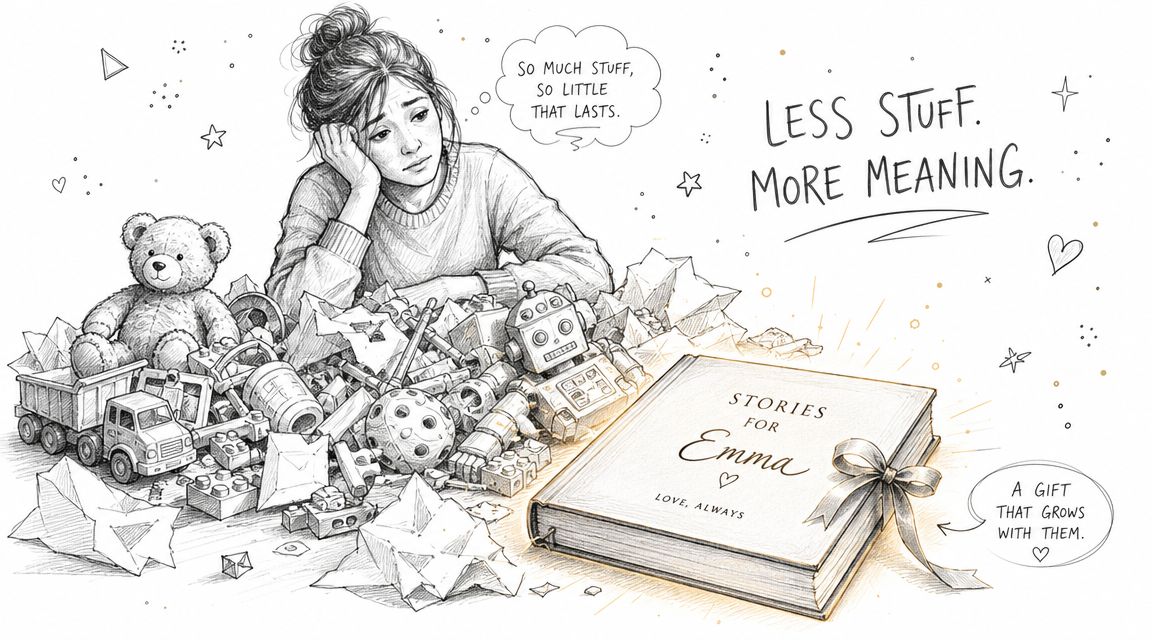
Why ordinary gifts fade fast
Children move through interests quickly. That's normal. A gift built only around what's trendy this month can lose its appeal just as quickly. A better gift usually connects to something steadier, like identity, family memory, favorite stories, or a stage of growth they're in right now.
A personalized nightlight with their name can feel comforting at bedtime. A custom book can become part of the reading routine. A keepsake box with a meaningful date can stay important long after a specific cartoon phase ends.
Practical rule: If a gift only feels special at the moment of unboxing, it probably won't last. If it invites repeated use, it has a better chance of becoming part of the child's life.
What makes this kind of gift worth the effort
A personalized gift asks one extra question before you buy. Who is this child, really?
That's what separates a rushed purchase from a gift that gets remembered. Maybe the child is learning to recognize their name. Maybe they love animals and pretend play. Maybe they're old enough to want something that reflects their own sense of humor and imagination.
The best choice often sits at the intersection of identity, age, and use. If you can match all three, the gift stops being just an object and starts becoming part of the child's story.
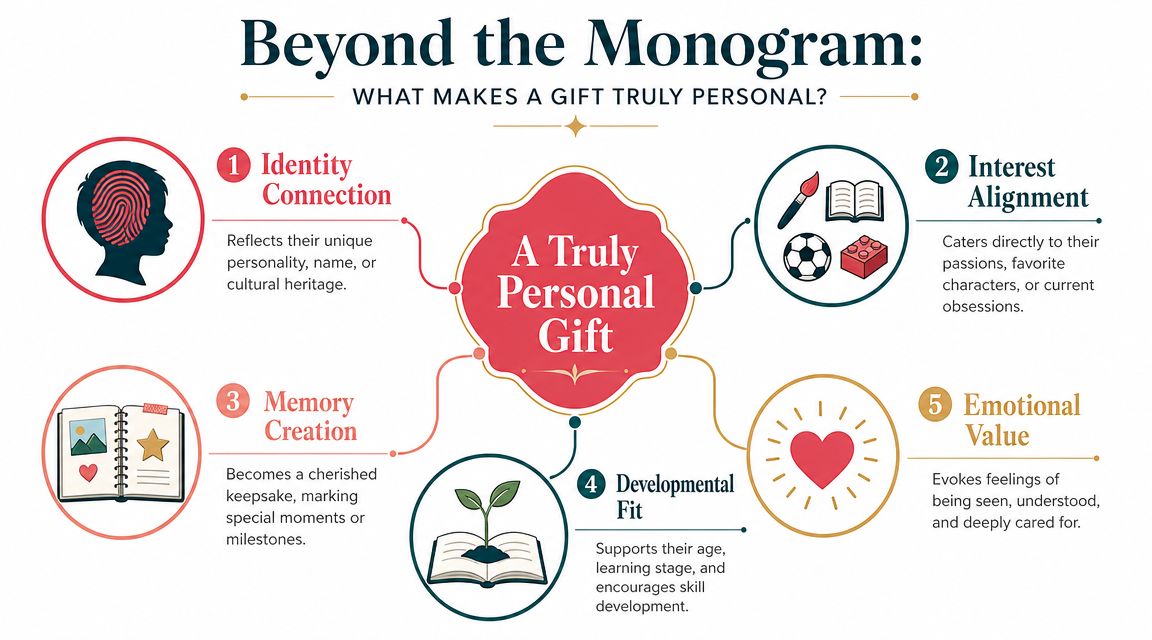
Beyond the Monogram What Makes a Gift Truly Personal
Not all personalization works the same way. Some custom gifts add a child's name to the surface. Others build the whole experience around who that child is. That difference matters.
A monogrammed towel says, “This belongs to you.” A story-based gift says, “This is about you.” Both can be worthwhile, but they create different kinds of connection.
Name and initial personalization
This is the classic starting point. Think embroidered backpacks, wooden name puzzles, labeled water bottles, or a robe with initials on the chest.
These gifts work best when ownership matters. Younger children especially like clear cues that an item is theirs. A child who's just learning letters may love seeing their name repeated on a puzzle or room sign. A school-age child may enjoy a lunch bag or pencil case that feels distinct and easy to identify.
This kind of personalization is simple and practical. It's often the right choice when you want a gift to be useful every day.
Photo-based personalization
Photo gifts add familiarity in a different way. Instead of seeing their name, the child sees their face, their family, or a shared memory.
Examples include:
- Photo books with captions and family milestones
- Custom pillows or blankets featuring family pictures
- Keepsake boxes or wall art built around a meaningful image
These gifts often land well when you want to preserve a moment. A new sibling, a family trip, a dance recital, or a first year at school can all become more tangible through a photo-based gift.
Interest-based customization
Many gift-givers excel by considering this. Instead of asking only, “Can I put their name on it?” ask, “What do they care about right now?”
A child obsessed with dinosaurs may light up at a personalized dinosaur book or themed room art. A young artist may love an art tote with their name and favorite colors. A soccer fan may prefer custom gear storage over a decorative keepsake they won't use.
Interest-based gifts feel personal because they show attention. You noticed the child's world. You didn't just add letters to a product.
Story-based personalization
This is the deepest form of customization because it makes the child part of the experience itself. Their name, image, role, or personality becomes central to the gift.
According to Tinyme's guidance on personalized gifts for kids, personalized items can strengthen a child's sense of identity and self-esteem, and products like custom storybooks or photo-based keepsakes support self-recognition and early literacy when the child's name or image is repeated.
That repeated presence is the key. A child doesn't just receive a personalized object. They see themselves woven through it again and again.
A strong personalized gift doesn't just label the child. It reflects them.
A quick way to judge any custom gift
If you're comparing options, use this lens:
| Type of personalization | What it says to the child | Best use |
|---|---|---|
| Name-based | This is yours | Everyday items, younger kids, school gear |
| Photo-based | This remembers you | Keepsakes, family memory gifts |
| Interest-based | I see what you love | Hobby gifts, themed décor, play items |
| Story-based | You matter in this world | Books, comics, milestone gifts |
For gift-givers who like creative formats, customized art gifts that build a story around the recipient can be especially helpful because they go beyond surface decoration and create a more immersive experience.
The Developmental Benefits of Custom Gifts
A personalized gift can do more than look thoughtful. It can support how a child learns, attaches meaning, and builds confidence.
That's especially true in early childhood, when names, pictures, and repeated visual cues help children make sense of themselves and their place in the world. A child who sees their name in print again and again begins to recognize it more quickly. A child who appears in a story pays attention differently than one who is only watching from the outside.
Why children respond so strongly
Children are wired to notice what feels connected to them. Their own name, their own face, and familiar details naturally pull focus.
The child-development guidance cited in the personalized toy space says that 68% of children form a stronger bond with toys that include personal touches such as their name, while personalization can drive 50% to 75% higher engagement. Those figures come from a consumer-facing article, not a clinical paper, but the pattern is still useful. Children tend to return to things that feel personally relevant.
What that looks like in daily life
A toddler may want the same personalized name book read again and again because the repeated name cues feel familiar and exciting. A preschooler may take extra pride in putting away a toy chest with their name on it. An older child may reread a custom adventure because they are the hero, not just a bystander.
That repeated use matters. It turns the gift into part of routine rather than a one-time surprise.
Where gift-givers often get confused
People sometimes assume personalized means sentimental and sentimental means decorative. That's too narrow.
A good custom gift can support:
- Name recognition for younger children
- Ownership and responsibility when the child cares for something that feels like theirs
- Reading motivation when the child appears inside the story
- Emotional security when the gift reflects family, belonging, or a favorite role
Children often engage longer with a gift when they can recognize themselves in it.
The emotional side matters too. Kids notice when adults pay attention to the details that make them unique. That sense of being seen is often the part they remember longest.
A Guide to the Best Personalized Gifts by Age and Interest
The best personalized gifts for kids depend less on the occasion and more on the child's stage. A gift that delights a toddler may feel babyish to an eight-year-old. A gift a tween loves might be too complex for a preschooler.
Start with age, then adjust for personality and interests.
Toddlers ages 1 to 3
Toddlers respond to direct, concrete personalization. They like seeing their name, touching sturdy materials, and repeating familiar routines. At this age, the gift should be simple, durable, and easy to understand.
Good options include personalized name puzzles, custom board books, soft blankets with their name, or a step stool labeled for bathroom or bedroom use. These gifts work because toddlers are building early recognition skills and learning that certain objects belong to them.
A name puzzle is a strong example. It turns letters into something physical and playable. A personalized board book does something similar with story and repetition.
Preschoolers ages 4 to 5
Preschoolers still love name recognition, but they're ready for more imagination. They enjoy pretend play, role-play, and gifts that let them act out identity.
Think about:
- Custom storybooks where they appear as the main character
- Personalized dress-up items like capes, aprons, or tool belts
- Name art for the bedroom in themes they already love
- Personalized memory games or simple activity books
At this stage, interests become easier to spot. One child wants everything princess-related. Another wants bugs, trucks, or outer space. Personalization works best when it joins that interest with the child's own identity.
Early elementary ages 6 to 8
Children in this range often want gifts that feel both fun and a little more grown up. They can follow longer stories, enjoy humor, and appreciate custom items that connect to hobbies.
This is a good age for personalized chapter-style storybooks, custom school supplies, art kits with their name, themed wall prints, or memory-rich gifts tied to family activities. A child who loves science might enjoy a custom room print based on space or nature themes. A child who likes writing may enjoy a notebook set with their name and favorite imagery.
This age group often benefits from gifts that blend identity with skill-building. If the gift invites reading, drawing, organizing, or creating, it usually lasts longer.
Gift filter: Ask whether the child can use the gift in more than one way. Read it and keep it. Play with it and display it. Wear it and use it for pretend play.
Tweens ages 9 to 12
Tweens are the hardest group to shop for because they've usually outgrown simple name-on-it items, but they still want gifts that feel personal. They're also more aware of style. If something looks too childish, they'll notice immediately.
Deeper customization holds significant value. Good choices include photo books built around shared memories, room décor tied to a hobby, custom journals, interest-based keepsakes, or story-driven gifts that reflect their personality.
A sports-loving tween may appreciate personalized gear storage or a keepsake based on a team memory. A creative tween may prefer a custom sketchbook, photo project, or narrative gift where they play a role in the concept.
Personalized gift ideas by age group
| Age Group | Gift Idea | Personalization Type | Developmental Benefit |
|---|---|---|---|
| Ages 1 to 3 | Wooden name puzzle | Name-based | Supports letter familiarity and ownership |
| Ages 1 to 3 | Custom board book | Story-based | Encourages repeated reading and self-recognition |
| Ages 1 to 3 | Personalized blanket | Name-based | Builds comfort and routine |
| Ages 4 to 5 | Personalized storybook | Story-based | Supports imagination and early literacy |
| Ages 4 to 5 | Custom cape or apron | Interest-based | Encourages pretend play and role exploration |
| Ages 4 to 5 | Name wall art | Name-based | Reinforces identity and room belonging |
| Ages 6 to 8 | Personalized chapter-style book | Story-based | Keeps reading engaging and child-centered |
| Ages 6 to 8 | Custom art kit or supply case | Name-based plus interest-based | Supports creativity and responsibility |
| Ages 6 to 8 | Themed room décor | Interest-based | Reflects passions and builds personal space |
| Ages 9 to 12 | Photo keepsake book | Photo-based | Preserves memories and emotional connection |
| Ages 9 to 12 | Personalized journal | Name-based plus interest-based | Supports self-expression |
| Ages 9 to 12 | Custom story or comic gift | Story-based | Encourages identity, creativity, and lasting memory |
Choosing by interest, not just age
Age helps narrow the field, but interest is what makes a gift click. If two children are both seven, one may want fairy-tale personalization while the other wants engineering, animals, or sports. The same product format can feel completely different depending on the theme.
Here's a practical approach:
- For book-loving kids: personalized storybooks, custom bookmarks, reading pillows, bookplates
- For builders and makers: name tool sets for pretend play, personalized supply boxes, custom sketchbooks
- For kids who love décor: room signs, framed name art, custom pillows, memory displays
- For memory-focused gifts: photo books, keepsake boxes, milestone art
- For big imaginations: role-based stories, adventure gifts, custom comics, themed dress-up items
Gifts that age well
Some personalized gifts feel charming now but won't make sense six months later. Others stay meaningful because they connect to milestones, family history, or creative identity instead of a passing obsession.
The safest long-term choices usually have one of these qualities:
- They preserve a memory
- They support a routine
- They grow with the child
- They let the child revisit a story about themselves
If you're unsure, avoid over-customizing around a very temporary phase unless the gift is meant to be light and short-term. A lunchbox with a current favorite animal is one thing. A large bedroom mural tied to a fleeting character obsession is another.
A simple matching method
If you feel stuck, match the gift to one of these three purposes:
| If you want the gift to do this | Choose something like |
|---|---|
| Help with everyday use | Personalized backpack, water bottle, towel, supply case |
| Build emotional meaning | Photo keepsake, custom storybook, memory box |
| Encourage creativity and imagination | Dress-up item, themed art set, personalized story or comic |
That quick sorting method saves a lot of second-guessing. It also keeps you from buying a decorative gift when what the child really wants is something interactive.
Spotlight A Unique Storytelling Gift from PersonalizedComics
Older kids often want personalization that feels less like labeling and more like authorship. They still enjoy being at the center of a story, but they want the story to have style, humor, action, or a sense of identity that feels more mature.
That's where a comic format can make sense.
How this kind of gift works
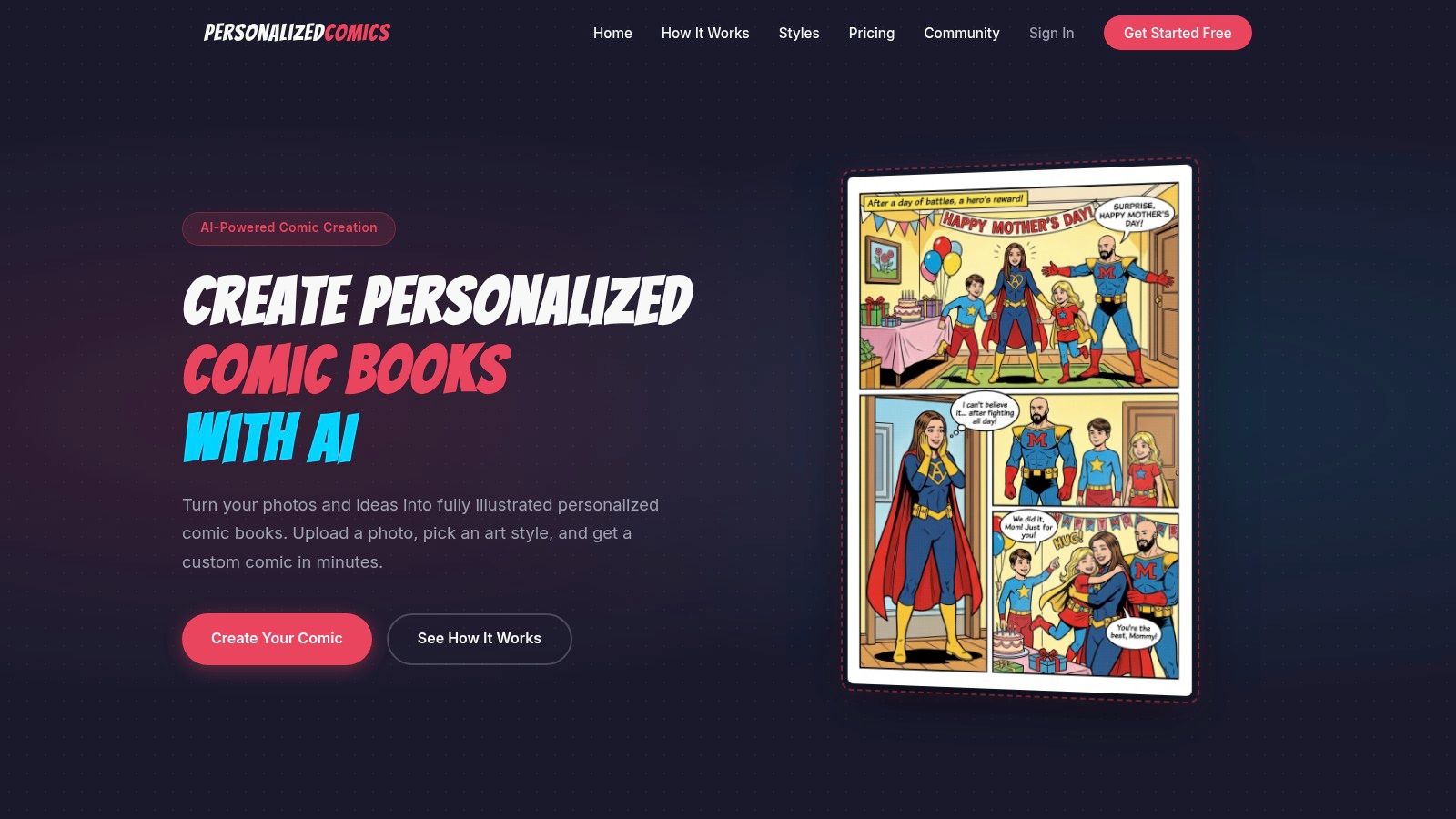
Personalized comic books can turn a child, family, or shared memory into a fully illustrated story. The basic idea is straightforward. You upload photos to create characters or describe original characters, choose an art style, and outline the plot, setting, and dialogue. The platform then generates comic pages with panels, narration, and speech bubbles.
The setup is different from buying a prewritten personalized book because the story itself can be shaped around the child's actual life, interests, or milestone. It's also a non-subscription, credit-based model, and physical print copies are available if you want something the child can hold onto.
Three gift situations where it fits especially well
A comic-style gift won't be right for every child. But it can be a strong fit when you want something more narrative and specific.
The birthday superhero
A child becomes the main hero in their own adventure. Their real-life interests can shape the plot. Maybe they rescue a city, solve a mystery, or lead a team of animal sidekicks. This works especially well for children who love action stories, costumes, or imaginative play.
The result feels personal in a deeper way because the child isn't just named in the book. They drive the story.
The family vacation chronicle
Trip photos can become a comic retelling of a family adventure. A beach vacation, camping trip, museum visit, or holiday journey can all be reframed through a playful visual narrative.
This approach works nicely when you want a keepsake that is more dynamic than a standard photo album. It also gives siblings something to revisit together.
The milestone story
Graduation from preschool, a big move, becoming an older sibling, or finishing a major school year can all become the basis for a custom comic. That makes the gift useful not just as entertainment, but as a way to mark change.
For some children, especially those who are reflective or creative, this kind of story helps make a milestone feel memorable and understandable.
Story-based gifts often work best when the child can revisit them and notice new details each time.
Why comics feel different from other personalized books
Comics combine image, pacing, dialogue, and action. That can make them especially appealing to children who don't automatically gravitate toward traditional storybooks. A child who resists long blocks of text may still eagerly follow panels and speech bubbles.
They also leave room for tone. The story can be funny, adventurous, heartfelt, or fantastical. That flexibility helps the gift feel closer to the child's own style instead of a one-size-fits-all template.
Practical Tips for Ordering Your Perfect Custom Gift
A personalized gift can be thoughtful and still go wrong if you miss the practical details. Most problems happen before the child even opens the box. The wrong spelling, flimsy materials, or rushed ordering can turn a lovely idea into a disappointing one.
Check the details twice
Names, dates, and relationships deserve a slow final review. If the gift includes the child's nickname, make sure it's the one they use. If you're adding a birthday or milestone date, verify it before submitting the order.
This sounds obvious, but it's one of the easiest mistakes to make when you're ordering quickly.
Think about how the child will use it
Some custom gifts are mostly decorative. Others will be handled every day. That difference should guide what you buy.
For children's gifts, durability matters a lot. Guidance on personalized books for kids notes that the strongest options use thick, glossy, or laminated pages with strong binding so they can survive rough handling and repeated use, as described in What Moms Love's guide to personalized gifts for kids.
A gift that lasts through daily play gives the child more chances to build attachment to it.
Choose materials with care
When shopping for younger children, pay attention to the basics:
- Touch-safe materials: Look for child-safe finishes, fabrics, inks, and coatings.
- Rounded or sturdy construction: Sharp corners, delicate trim, or thin pages can limit real use.
- Washability when needed: For blankets, clothing, lunch items, or soft toys, easy cleaning matters.
Order with enough breathing room
Custom gifts usually take longer than standard products, especially around busy holiday periods and graduation season. If the item includes a proofing step, build in even more time. That gives you room to correct mistakes without panic.
Don't judge a personalized gift only by how it looks online. Judge it by whether a child can use it happily more than once.
Favor usefulness over novelty
If you're torn between two options, choose the one the child can return to. That may be a sturdy board book instead of a delicate paper one. It may be a custom storage item instead of a novelty decoration. It may be a story gift they can reread rather than an item that only works as display.
That doesn't make the gift less special. Usually it makes it more loved.
Giving a Gift That Tells Their Story
The most meaningful personalized gifts don't rely on novelty. They work because they match the child. Their age, their interests, their sense of self, and the way they move through the world all shape what will matter to them.
A good custom gift says more than “I bought this for you.” It says, “I notice who you are.” That might look like a sturdy name puzzle for a toddler, a storybook for a preschooler, a memory keepsake for a family milestone, or a more creative narrative gift for an older child.
The strongest choices usually do three things at once. They feel personal, they fit the child's developmental stage, and they stay useful or meaningful beyond the first day. That's why story-based gifts often have such lasting power. They don't just decorate an object with a child's identity. They build an experience around it.
If you want a gift idea that leans into that kind of meaning, making a book as a gift can be a memorable route because it turns care, memory, and imagination into something the child can return to again and again.
If you want to create a personalized gift that feels more like a story than a product, PersonalizedComics lets you turn photos and ideas into a custom comic book with multiple art styles, a credit-based system with no subscription, and the option to order a printed copy.
If a custom comic sounds like the right fit, the personalized comic book gift for kids page walks through how it works, from photos to printed copy.