The answer usually isn’t raw drawing skill. It’s control. The best strips know exactly where your eye goes, when the joke lands, how a character reads in silhouette, and which emotional note should sit in the final panel. That discipline is why comic strip classics survived changes in newspapers, culture, and taste. They weren’t just funny. They were engineered for recall.
The history matters because the format was built to be clear, fast, and repeatable. The Yellow Kid, debuting in Richard F. Outcault’s Hogan’s Alley on October 18, 1896 in William Randolph Hearst’s New York Journal, is recognized as the first modern American newspaper comic strip, and by 1900 the terms “comics” and “comic strip” were standardized in the United States, as outlined in this history of the comic strip. Those early constraints still teach the right lessons now.
That’s why PersonalizedComics is useful for aspiring creators. It removes the drawing barrier, but it doesn’t remove the need for craft. If you understand how the masters handled character, pacing, visual economy, and tone, you can use the platform’s classic American, retro pop, noir, or fantasy styles to build stories that feel intentional instead of randomly generated.
1. Peanuts
Charles Schulz’s great trick wasn’t complexity. It was compression. Peanuts could fit disappointment, pride, loneliness, hope, and a punchline into a tiny daily format without looking busy or strained.
A computational study of Peanuts examined 17,897 daily strips from 1950 to 2000 and found that 92.5% of strips on average used dialogue or captions in the final panel to deliver the punchline or resolve the narrative arc, according to the Cultural Analytics study on the Peanuts corpus. That tells you something practical. The last panel isn’t spare real estate. It’s your lock.
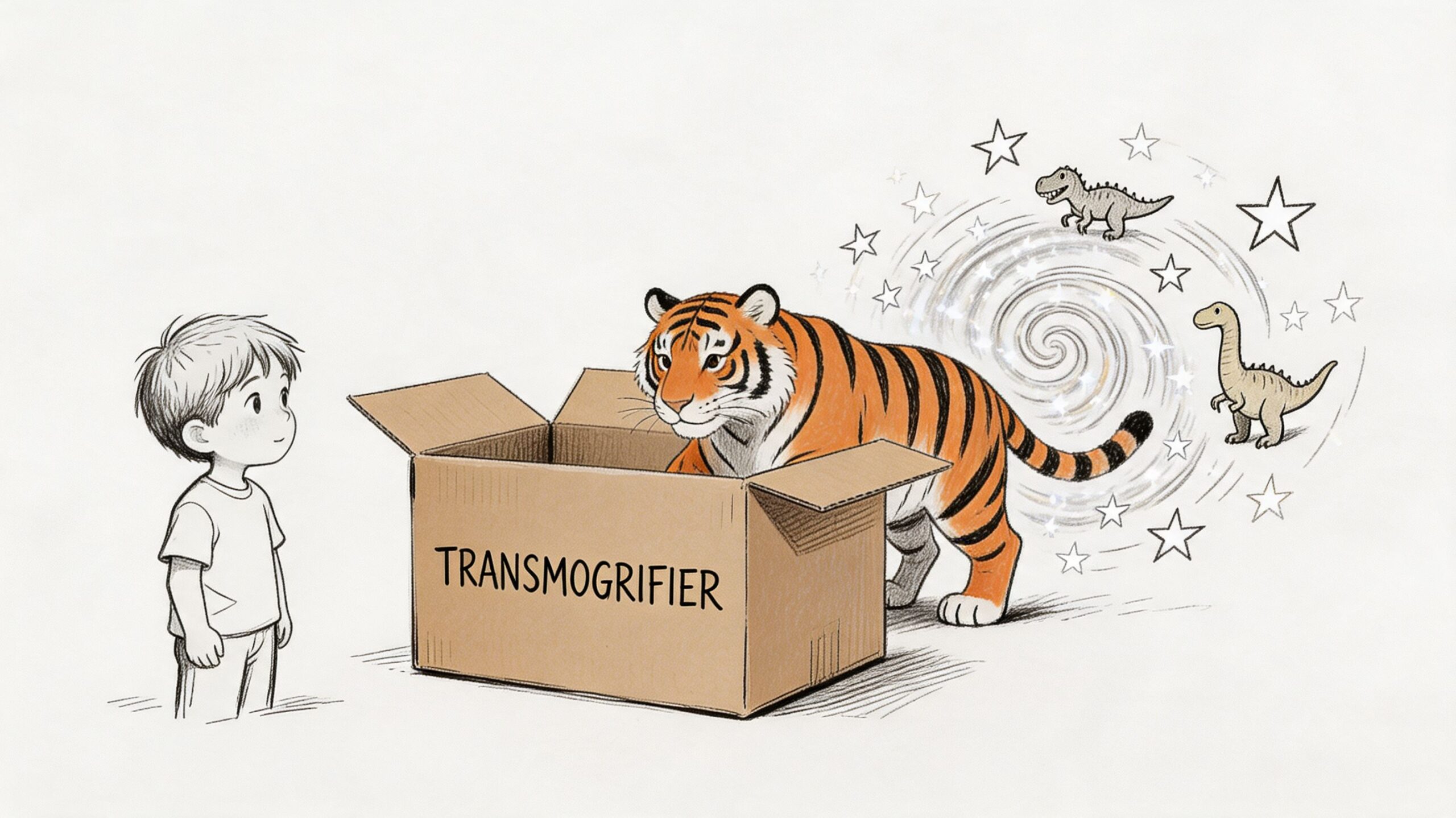
What to borrow
When building a personalized strip, start with one emotional contradiction. A hero who’s brave but unlucky. A kid who talks big but panics fast. A pet who acts superior but needs everyone. Schulz understood that readers return for tension inside the character, not just the joke on top.
On PersonalizedComics, this works especially well when you turn real people into simplified recurring characters. Don’t ask the tool for “a funny family comic.” Ask for “a quiet overthinker dad, an impulsive daughter, and a dog who behaves like the family critic.” That’s usable material.
- Build around one emotional axis: Give each main character a repeating problem they never fully solve.
- Save the turn for the end: If panel one sets a feeling, panel four should sharpen or reverse it.
- Keep the art readable: Clean staging beats decorative clutter in a daily-style strip.
Practical rule: If the final panel can be removed without hurting the strip, the strip isn’t finished.
For prompts and scenario starters, PersonalizedComics’ guide to ideas for comic strips is a good jumping-off point. Use it as premise fuel, then impose your own cast logic.
2. Calvin and Hobbes
Some strips teach structure. Calvin and Hobbes teaches permission. It shows how an ordinary setting can explode into fantasy without losing emotional truth.
That’s the lesson many beginners miss when they imitate it. They copy the imagination but skip the grounding. The reason a cardboard box can become a machine, a spaceship, or a portal is that the child at the center feels consistent. The fantasy is wild. The psychology is stable.
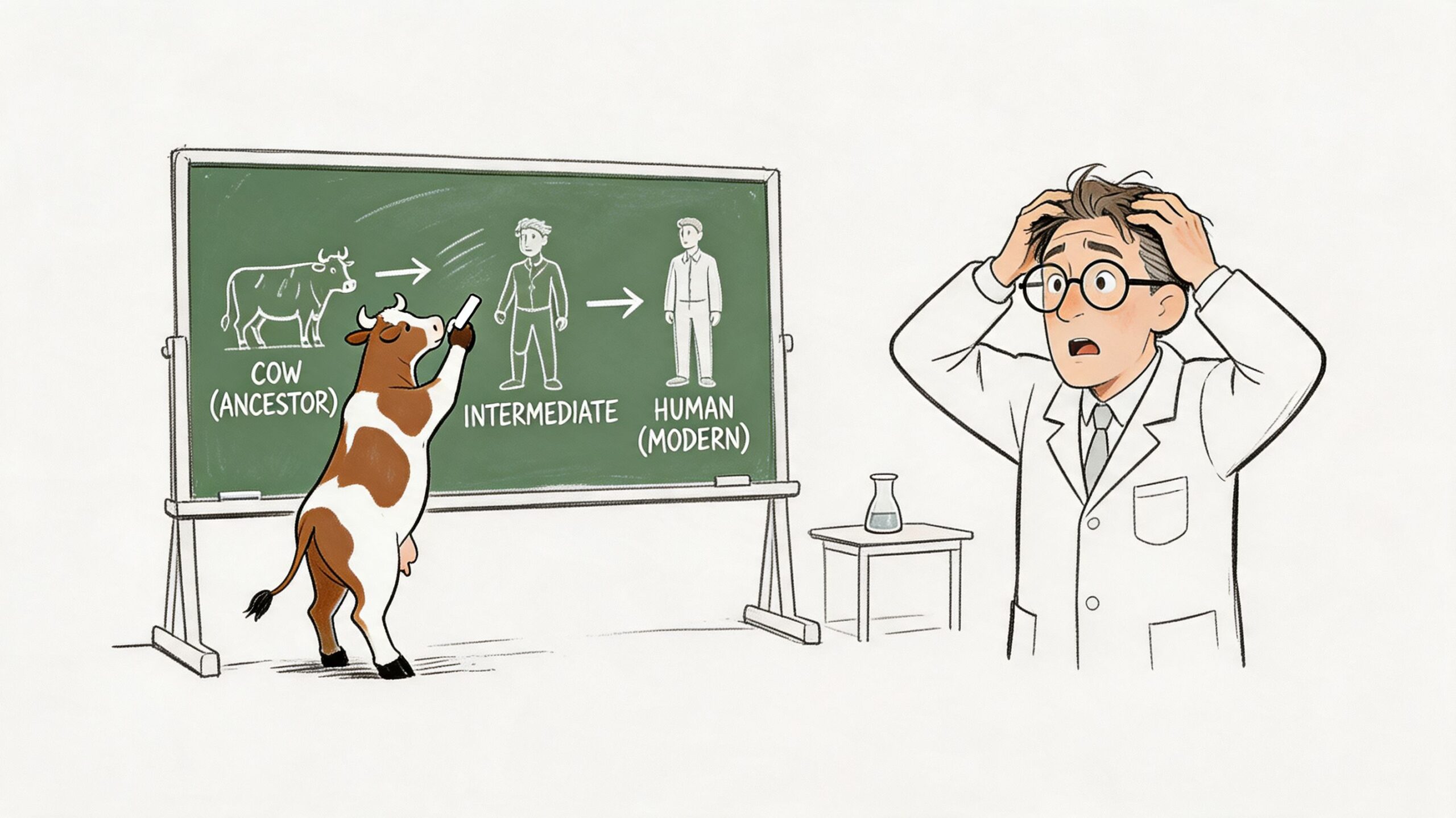
How to use that in AI comics
With PersonalizedComics, you can turn one uploaded child photo into a recurring protagonist, then place that character in changing worlds while preserving the same face, outfit cues, and attitude. That’s where the magic happens. Readers accept impossible settings when the person inside them still reacts like themselves.
A strong formula is reality in panel one, escalation in panels two and three, then emotional reveal in panel four. Maybe a child resists homework, imagines being a jungle explorer, then ends on a line that shows the homework was really fear of getting something wrong. That structure feels playful and honest.
Keep one foot in the bedroom, backyard, classroom, or kitchen. Fantasy works better when the floorboards still creak underneath it.
If you want examples of how comics sustain voice and visual identity across episodes, browse PersonalizedComics’ article on the best web comics. The useful takeaway isn’t genre. It’s consistency.
What works and what doesn't
What works is a recurring imaginative engine. A box. A stuffed companion. A secret rule about how the world changes. What doesn’t work is random spectacle with no inner logic. If every strip invents a new universe but the protagonist’s feelings don’t connect, readers stop caring fast.
3. The Far Side
You don’t always need a sequence. Sometimes one panel is enough if the premise does all the heavy lifting.
That’s the enduring lesson of The Far Side. It proves that a comic can function like a trapdoor. The image looks legible at first glance, then the caption or visual detail drops the floor away. Animals behave like academics. Scientists miss the obvious. Nature gets the last word.
The usable technique
For PersonalizedComics creators, this means you can build excellent one-page gifts or interstitial gag pages without writing a long narrative. Pick one absurd premise and render it clearly. A family dog judging the humans at dinner. A school of fish conducting parent-teacher conferences. A cat treating the couch as a throne.
The key is composition. Don’t overcrowd a concept comic. Give the reader one thing to decode.
- Lead with the concept: If the joke needs too much setup, it probably belongs in a strip, not a single panel.
- Use familiar worlds: Offices, kitchens, classrooms, and parks make absurdity easier to read.
- Let the image carry half the gag: Don’t explain in dialogue what the drawing already says.
A common mistake in AI-assisted humor is adding too many funny ideas to one image. That flattens the result. One strange assumption is stronger than six quirky details. In practice, I’ve found that when the prompt contains a clean “what if” premise, the finished page feels authored. When the prompt reads like a brainstorm dump, it feels machine-made.
4. Dilbert
Satire gets sharper when the setting is ordinary. Dilbert works because the office is already full of rituals, jargon, petty power, and broken communication. The comic didn’t need to invent absurdity. It just had to isolate it.
That makes it one of the easiest comic strip classics to adapt for customized storytelling. If your audience works in a team, a startup, a school office, an IT department, or a marketing agency, you already have the ingredients. Delayed approvals. Meaningless meetings. A manager obsessed with optics. A competent person who’s never heard.
The trade-off in workplace comics
Specificity helps. If you write “corporate life is silly,” the result is generic. If you write “the manager schedules a brainstorm to discuss why nobody has time to work,” the result has bite.
What doesn’t work is punching down. The best workplace satire targets systems, vanity, and communication failures. It doesn’t just mock the least powerful person in the room.
Office humor lands when the reader says, “I know that exact meeting.”
On PersonalizedComics, use real role archetypes from the people you know, then soften them just enough to keep the strip playful. You can upload faces or describe originals, then ask the platform for a classic American or graphic novel look with recurring speech-bubble patterns. That combination is ideal for internal team gifts, retirement comics, or onboarding humor.
A strong repeatable setup
Try a three-part rhythm: problem stated confidently, problem complicated by bureaucracy, problem “solved” in the most useless possible way. That rhythm is reliable because the satire comes from process, not just one-liners.
5. Garfield
If Peanuts is about emotional compression, Garfield is about brand clarity. You know who the lead is the second you see him. That’s harder to achieve than it looks.
A useful historical benchmark sits nearby. The USPS Comic Strip Classics series, issued on October 1, 1995, commemorated the centennial of the newspaper comic strip with 20 stamps that exclusively featured strips created before 1950, as described in the Comic Strip Classics stamp series overview. That official celebration reminds you what lasts. Not just beautiful drawing. Instantly readable character identity.
Building a character readers recognize fast
Garfield succeeds because every design choice supports the voice. The half-lidded eyes, the heavy posture, the appetite, the annoyance. Nothing fights the concept.
That’s exactly how to use PersonalizedComics well. If you’re making a pet-centered strip, don’t overdesign the animal. Give it one dominant attitude and repeat it. Hungry and manipulative. Elegant and aloof. Hyperactive and loyal. Then build every pose around that.
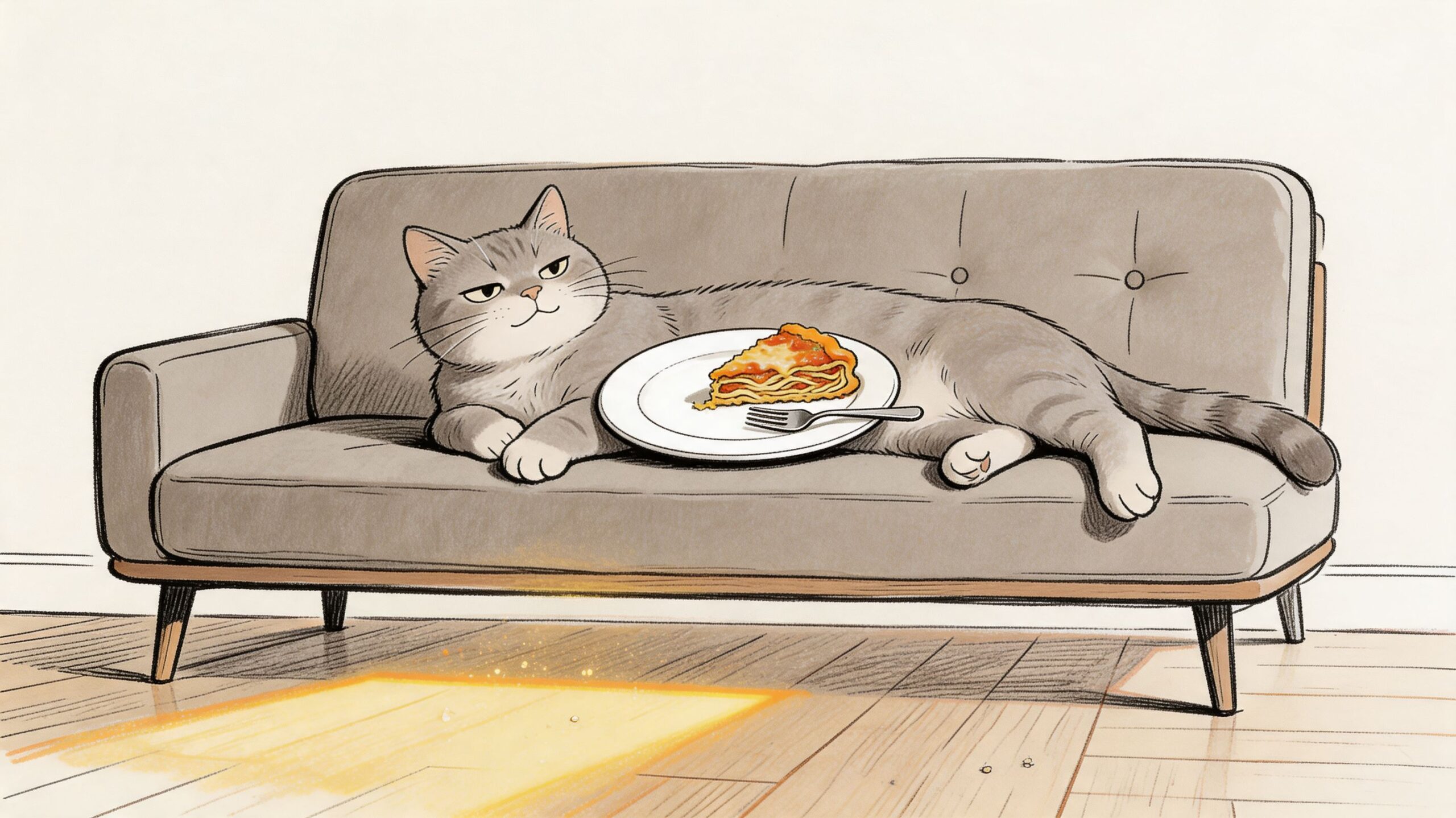
- Choose one signature behavior: Food obsession, sleep, vanity, or commentary.
- Simplify the silhouette: Readers should identify the lead at thumbnail size.
- Use supporting characters as contrast: The owner, rival, or dog should trigger the lead’s best reactions.
For premise generation, PersonalizedComics’ post on funny ideas for a story is useful because pet humor and household conflict scale well into short strips. The strongest pages usually come from repetition with variation, not from reinventing the strip every time.
6. Doonesbury
Some creators avoid serious subject matter because they think humor and consequence can’t live together. Doonesbury disproves that. It brought serialized storytelling and social commentary into the daily strip space without losing character-based humor.
That’s a valuable lesson if you want your comic to mean something beyond the punchline. A strip can track friendships, aging, work, family strain, public life, or civic frustration. It just needs a cast that readers trust.
How to make serious material readable
The practical method is simple. Anchor every big topic in a person. Don’t start with “a strip about politics.” Start with “a roommate who’s idealistic, a sibling who’s exhausted, and a parent who still thinks old advice solves new problems.” Once the people are solid, real-world pressure has somewhere to land.
This is one place where PersonalizedComics can be stronger than many hobby tools. Because you can keep visual continuity across pages, a multi-page sequence feels like one unfolding world instead of disconnected scenes. That matters for serialized drama.
A social issue becomes readable when one character has to make a choice inside it.
What doesn’t work is lecture-first writing. If every character sounds like a speech, nobody feels alive. Let one person dodge, another person joke, and another person misunderstand. Friction makes commentary believable.
7. Bloom County
Bloom County is a good reminder that chaos can still be designed. The strip often feels unruly, but the best pages know exactly how far to push visual clutter, oddball personalities, and political absurdity before readability breaks.
That matters for AI comic creation because the tools make excess easy. You can generate ten eccentric characters, layered backgrounds, and explosive reactions in minutes. The problem is that readers still need hierarchy. The eye has to know where to begin.
Controlled mess beats random mess
If you’re chasing a Bloom County-style energy, give each panel one focal performer. Maybe the penguin delivers the line while the human reacts. Maybe the room is crowded, but only one silhouette is extreme. Maybe the sign in the background adds a second joke, not five more.
A good PersonalizedComics prompt in this mode names the emotional temperature as clearly as the visual style. “Retro pop ensemble scene, small-town satire, one anxious lead, one smug commentator, one wildly overconfident mascot character.” That gives the system a structure to support.
- Limit the number of competing jokes per panel: One primary joke, one secondary visual bonus.
- Use cast contrast deliberately: Naive, cynical, pompous, absurd.
- Break layout only when it helps the beat: Experiment is strongest when it sharpens the scene.
What doesn’t work is trying to look “zany” on every inch of the page. Real comic strip classics know when to breathe.
8. Little Nemo in Slumberland
Some strips teach economy. Little Nemo teaches ambition. Winsor McCay treated the page like architecture, using dream logic, scale shifts, and page design to make wonder feel physical.
The strip also sits inside the official canon of classic newspaper innovation. In the 1995 USPS Comic Strip Classics issue, Little Nemo appeared among the foundational pre-1950 selections honoring the centennial of the newspaper comic strip, detailed by the Smithsonian National Postal Museum entry for the stamp sheet. That recognition fits. McCay didn’t just tell dream stories. He showed how layout can become part of the story itself.
How to steal the right lesson
Use dreams for permission, not for escape. A dream sequence works when it enlarges an emotion that already exists in waking life. Fear becomes a giant staircase. Excitement becomes a city in the clouds. Embarrassment becomes a room that won’t stop stretching.
On PersonalizedComics, fantasy and watercolor styles can produce striking results, but the narrative rule matters more than the rendering. Give the sequence a frame. The dream starts after a specific worry. It escalates through visual transformations. It ends with a sharp return to reality.
The more surreal the middle becomes, the more clearly you need the ending.
A practical page formula
Begin with a mundane detail. Expand it into impossible scale. Keep each panel transformation related to the last. Then snap back in the final panel with a human reaction, not just “it was a dream.” That last note is what keeps the sequence from feeling decorative.
9. Archie Comics
Not every classic runs on formal innovation. Some run on social geometry. Archie endures because the town, the friend group, and the romantic tensions form a machine that keeps generating stories.
For aspiring creators, this is one of the most useful models available. You don’t need a genius premise if you can build a reliable relationship map. One flirt. One rival. One best friend. One authority figure. One social space where they keep colliding.
World-building for repeatability
A personalized comic becomes much easier to sustain when you stop thinking in terms of isolated plots and start thinking in terms of recurring zones. School hallway. Diner. Garage band practice. Beach trip. Group chat made physical. Every zone should bring out different combinations of your cast.
This approach is ideal for gift comics and friend-group projects on PersonalizedComics. You can turn real people into stylized ensemble characters, assign each a dominant social role, and let the setting do half the work. A birthday comic, reunion story, or wedding-party mini series all benefit from this method.
- Create a stable home base: One location readers learn quickly.
- Assign each character a social function: Instigator, mediator, show-off, observer.
- Keep conflicts lightweight but recurring: Jealousy, misunderstanding, status, crushes, plans gone wrong.
What doesn’t work is making everyone equally quirky. Ensemble comics need contrast more than novelty.
10. Mafalda
The child observer is one of the sharpest tools in comics. Mafalda proves that a small voice can carry large questions without sounding heavy.
That perspective is powerful because children, outsiders, and blunt truth-tellers don’t respect adult euphemism. They expose it. In comic terms, that means you can write about family pressure, unfair rules, news anxiety, or social hypocrisy through simple scenes that remain funny and readable.
How to use innocence without becoming simplistic
The trick is voice. A child character shouldn’t sound like a miniature professor. The line works when the observation is direct, slightly askew, and painfully clear. Adults overexplain. The child notices the contradiction.
This style adapts well to PersonalizedComics when you want a family-centered strip with meaning. Give the young protagonist one moral obsession. Fairness. Honesty. Peace and quiet. Recycling. Homework justice. Then put that character in ordinary domestic scenes where adult compromise looks suspicious.
Write the child as precise, not precocious.
A common mistake is making every strip “important.” Don’t do that. Alternate sharper commentary with everyday family humor. The contrast keeps the cast alive. If every page arrives with a moral lesson attached, the reader starts bracing for homework.
Top 10 Comic Strip Classics Comparison
| Comic | Implementation complexity | Resource requirements | Expected outcomes | Ideal use cases | Key advantages |
|---|---|---|---|---|---|
| Peanuts | Low–Medium, simple art, ensemble focus | Modest, basic character design, recurring traits | Warm, character-driven, emotionally resonant stories | Family/friend ensemble comics, holiday-themed strips | Universal themes, adaptable visual style, memorable characters |
| Calvin and Hobbes | High, dual reality/imaginary sequences, expressive art | High, advanced illustration, nuanced writing | Rich imaginative narratives with emotional depth | Child-centered fantasy, coming-of-age serialized tales | Imaginative flexibility, strong character psychology, striking visuals |
| The Far Side | Low, single-panel gag, concept-focused | Low–Medium, strong concept and precise timing | Punchy, shareable concept-driven humor | One-off gags, intellectual or surreal workplace humor | Rapid idea iteration, high shareability, surreal originality |
| Dilbert | Low–Medium, consistent setting, satirical tone | Modest, archetypal characters, topical scripting | Relatable corporate satire and workplace commentary | Corporate gifts, team-building comics, office satire | Immediate relatability, simple framework, easy adaptation |
| Garfield | Low, simple recurring gags and character voice | Low, minimal art complexity, consistent tone | Broad, family-friendly humor with commercial potential | Pet-personification comics, lighthearted daily strips | Universal appeal, reproducible style, strong branding |
| Doonesbury | High, serialized narrative, political/social themes | High, ongoing writing, topical research, continuity | Long-form engagement, discussion-driving stories | Multi-episode biographies, social commentary, family chronicles | Deep character development, sustained narrative investment |
| Bloom County | High, experimental layouts, mixed satire styles | High, artistic experimentation, cultural literacy | Distinctive, sophisticated satire with visual flair | Experimental paneling, political satire with surreal elements | Visual innovation, layered humor, artistic distinction |
| Little Nemo in Slumberland | Very High, elaborate dreamscapes, complex layouts | High, advanced art, color and perspective work | Visually spectacular, surreal fantasy sequences | Dream-driven narratives, art-focused showcases | Unmatched visual imagination, cinematic page design |
| Archie Comics | Medium, consistent universe, recurring relationships | Medium, worldbuilding, ensemble maintenance | Long-running, nostalgic ensemble storytelling | Teen/young-adult nostalgia, friend-group serials | Consistent fictional universe, relatable teen dynamics |
| Mafalda | Medium, child perspective with social critique | Medium, sharp dialogue, cultural/context sensitivity | Thoughtful, socially conscious humor that provokes reflection | Values-driven stories, family or educational contexts | Clear moral voice, accessible social commentary, expressive simplicity |
Your Turn to Create a Classic
The big lesson from comic strip classics is that technique beats nostalgia. You don’t need to copy old newspaper art line for line. You need to understand why those strips worked under pressure. They had little space, tight deadlines, broad audiences, and almost no room for confusion. So they developed durable solutions. Clear silhouettes. Repeatable cast dynamics. Focused premises. Strong final panels. Distinctive voices.
That’s good news for anyone using PersonalizedComics. The platform handles illustration, panel generation, speech bubbles, narration, and style consistency, but the creative decisions still belong to you. That means your best results will come from choosing the right engine for the story. A Peanuts-style emotional beat. A Calvin and Hobbes reality-to-fantasy pivot. A Far Side premise trapdoor. A Dilbert system satire. A Little Nemo dream escalation.
The practical workflow is straightforward. Start with one character readers can describe in a sentence. Put that character in a recurring setting. Decide what kind of closure the strip uses, punchline, reveal, reversal, or emotional landing. Then pick the PersonalizedComics style that supports the concept instead of fighting it. Classic American is the natural fit for newspaper-strip clarity. Retro pop is great when you want heightened charm and bold shapes. Noir works when shadows and irony carry the mood. Fantasy and watercolor help when dream logic or wonder matter more than gag timing.
Keep your first project small. A four-page mini story is enough to test whether your cast has chemistry and whether your ending rhythm works. If the second page already feels repetitive, the concept needs a stronger conflict. If the visuals are attractive but the dialogue could belong to anyone, the voices need more contrast. If the pages are busy but the eye drifts, reduce details and strengthen staging.
The strongest personalized comics don’t feel like AI demos. They feel like somebody cared about the reader’s experience from panel one to panel four. That’s what the masters did, whether they were drawing alley kids, dreamers, office workers, pets, or political observers. They made choices that looked effortless because the craft underneath was disciplined.
Your first classic won’t arrive fully formed. That’s normal. But if you borrow the right lessons, keep your cast simple, and respect the mechanics of the strip, you can make something with the same staying power people still admire in the funny pages. PersonalizedComics gives you the production pipeline. The lasting part is still character, perspective, and a compelling idea. New users get a free three-page preview to start. That’s enough room to prove your cast deserves a second episode.
PersonalizedComics turns your photos and ideas into finished comic pages without requiring drawing skills. You can choose from eight art styles, including classic American and retro pop, generate recurring characters from real people or written descriptions, and build complete stories with panels, dialogue, sound effects, and narration. New users get a free three-page preview comic, and because the platform uses simple credit-based pricing with no subscription, it’s easy to experiment, refine your concept, and even order a premium physical copy when your comic is ready. Start creating at PersonalizedComics.
Filed under Comics & Culture