That's where one often gets stuck when starting to look up types of comic book. They expect a neat list. Instead, they run into mixed definitions. Some labels describe format, like comic book or graphic novel. Some describe tradition, like manga. Others describe genre, like noir or fantasy. Then there's the reading experience itself, including layout, pacing, and even reading direction. One useful breakdown notes that comic books are serialized periodicals, graphic novels are longer self-contained works, and manga is a Japanese form often read right-to-left, which is a much more practical way to separate them than treating every label as the same kind of category in this discussion of comics, graphic novels, and manga.
That distinction matters when you're making something, not just naming it. A heartfelt memoir usually fails when forced into a loud superhero structure. A mystery weakens if the page design gives away every reveal too early. A children's comic falls flat if the dialogue is written like an adult screenplay. Good comic decisions are less about prestige and more about fit.
Modern creation tools make that fit easier to test. You can try a manga look for an emotional story, switch to noir for a crime setup, or build a full graphic novel prototype without drawing every panel by hand. PersonalizedComics is especially useful for this because it lets you choose a style, define characters, and generate finished pages that already include panels, dialogue, narration, and effects.
The eight types below aren't just definitions. Think of them as project blueprints. Each one works best for certain stories, certain pacing, and certain audiences. If you know what each type is good at, you can stop guessing and start building.
1. Manga
A creator sits down with a story about rivalry, longing, and a promise that keeps getting harder to keep. The concept could work in several comic formats, but manga gives that kind of material room to breathe. It rewards reaction shots, pauses, and emotional escalation. If your project depends on attachment to the cast as much as plot mechanics, manga is often the better build.
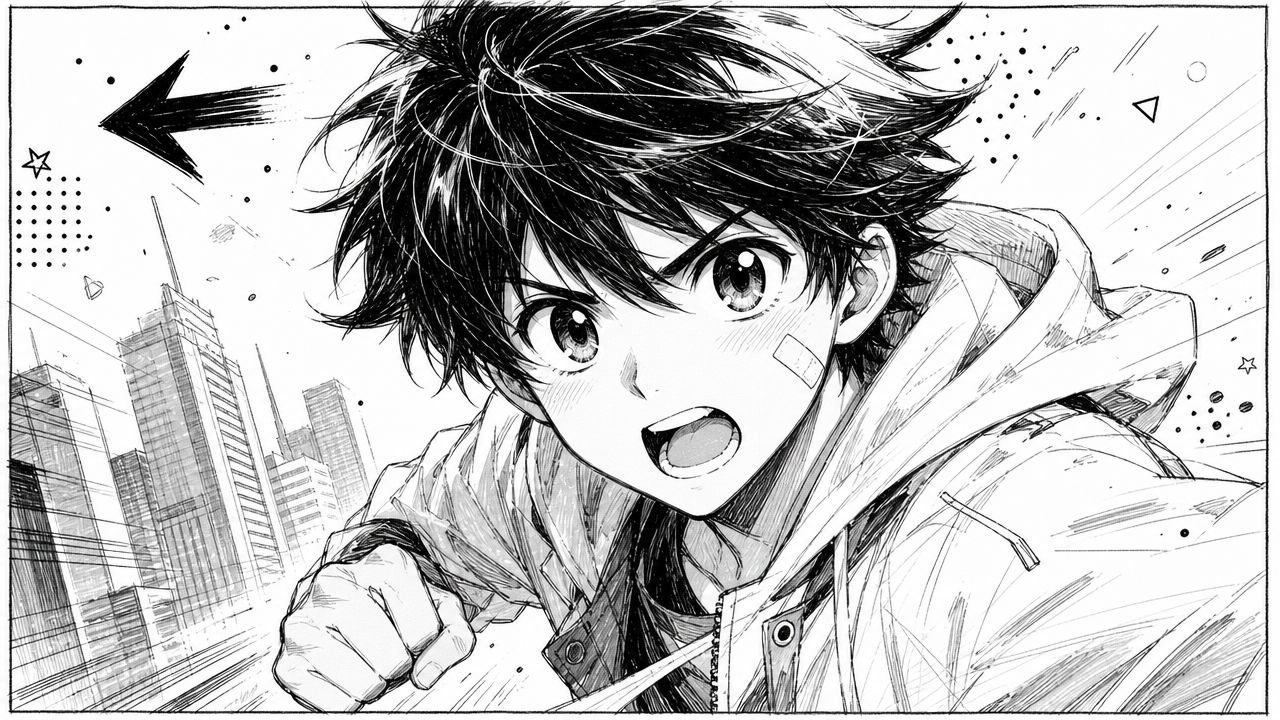
Manga works best when readers need to feel the moment, not just understand it. A held expression can do more than a speech bubble. A page turn can carry suspense. Repetition, silence, and exaggerated contrast all have a job here.
That makes manga a strong project type on PersonalizedComics, especially for stories driven by character bonds, school or tournament structures, romance, revenge, and coming-of-age pressure. If you are deciding between traditions, this comparison of Marvel and DC storytelling styles helps clarify how differently Western action comics handle pacing and emotional focus.
What manga does well on the page
Manga is built for internal movement. The plot can be simple at first. The reading experience still feels rich because the tension comes from how characters react, hesitate, fail, and grow.
Long arcs also fit naturally. A rival introduced early can matter fifty pages later. A joke can return as heartbreak. That cumulative effect is one reason manga readers stay loyal to a series.
Practical rule: Choose manga when emotional payoff and plot payoff need equal weight.
For PersonalizedComics, the manga style is a practical fit for:
- Character-first projects: Build a story around a friend, partner, child, or original hero with a clear emotional arc.
- Rhythmic action: Use impact panels, speed lines, close-ups, and reaction beats to make motion readable.
- Gift comics with sincerity: Birthday, anniversary, and friendship stories often read better in a style that handles feeling without sounding stiff.
How to build one well
Start with a simple want. Pass the exam. Beat the rival. Confess the truth. Protect a sibling. Then create pressure that keeps getting more personal. Manga loses force when the goal is vague or the conflict stays theoretical.
Keep the script visual. Do not explain every emotion in dialogue. Let framing carry part of the story. A tight close-up can show embarrassment faster than a paragraph. A wide shot can make isolation obvious.
I usually tell creators to design three things before generating pages: the protagonist's desire, the emotional flaw, and the recurring visual motif. On PersonalizedComics, that means choosing the manga style, locking in character appearance, and prompting for scene variety instead of asking for the same camera angle every time. You get stronger pages when you request contrast such as hallway silence, crowded confrontation, rooftop confession, then full-impact action.
If you want more context on the tradition behind the format, this overview of the origin of manga is a useful companion.
Common failures are easy to spot. Generic faces. Flat dialogue. Panels that all sit at the same distance. Strong manga needs variation in scale, emotion, and tempo. Quiet first. Then impact.
2. Superhero Action Comics
Some stories want subtlety. Superhero comics want pressure. They run on conflict, transformation, and spectacle. If your idea involves a strong visual identity, a central moral choice, and a hero who has to earn the right to win, this type gives you a sturdy frame.
The common mistake is thinking powers are the point. They're not. Powers are a storytelling device. Spider-Man works because responsibility hurts. Batman works because obsession has a cost. The costume gets attention, but the wound underneath keeps readers engaged.
Build the hero before the fight
A good superhero comic starts with a contradiction. Your hero is brave but reckless. Kind but vengeful. Powerful but isolated. That tension gives the action meaning. Without it, the pages become noise.
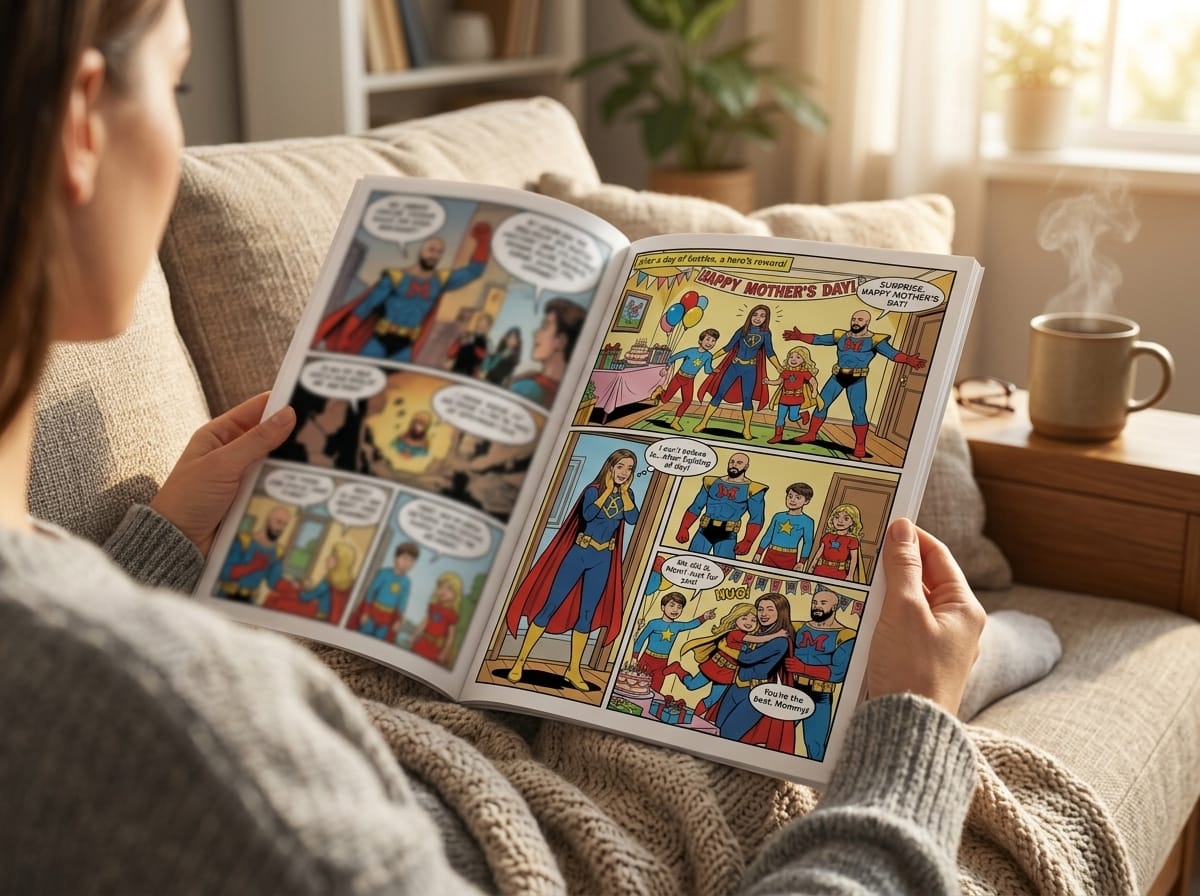
On PersonalizedComics, the classic American style and graphic novel style are both useful here. The classic American look suits bold silhouettes, brighter action, and iconic poses. The graphic novel style fits a more grounded, cinematic version of the same idea.
Try this blueprint:
- Origin with a hook: Don't explain everything. Show the event that changes the character, then move fast.
- Villain with a point of view: A forgettable villain only blocks the hero. A good villain exposes the hero's weakness.
- Supporting cast with stakes: A friend, mentor, sibling, or reporter gives the danger consequences beyond the final battle.
What works on the page
Action reads best when each panel changes the situation. A punch alone is boring. A missed punch that shatters a wall, traps a bystander, and forces a split-second choice is better. Readers don't just want impact. They want escalation.
The best superhero scenes aren't about whether the hero can win. They're about what winning will cost.
If you're using real people as inspiration, PersonalizedComics can turn photos into stylized characters, which is perfect for custom team books, birthday hero comics, or playful “what if” transformations. That's often more effective than trying to invent every face from scratch.
For readers who enjoy comparing the traditions behind major caped universes, this Marvel or DC breakdown is worth a look.
What usually fails in this category? Overwritten exposition, too many powers introduced at once, and action with no emotional anchor. Keep the core question simple. Who is this person when pressure strips away the costume?
3. Graphic Novel
Graphic novel is one of the most misunderstood types of comic book because people often use it as a prestige label instead of a format choice. In practice, a graphic novel is best treated as a complete reading experience. It asks for structure, consistency, and patience.
That makes it ideal for stories that need room to breathe. Persepolis, Maus, Ghost World, and Daytripper don't work because they are long. They work because they use length to deepen meaning. Scenes echo each other. Motifs return. A choice early in the book lands differently near the end.
Think in chapters, not just pages
When creators jump into a graphic novel without an outline, the middle usually collapses. The opening has energy. The ending has intention. The center turns repetitive. The fix is simple. Build in chapters with a clear emotional function.
A workable chapter pattern looks like this:
- Set the world: Establish the emotional baseline and central tension.
- Complicate the goal: Introduce pressure, contradiction, and new information.
- Force change: Make the protagonist act differently than they did at the start.
PersonalizedComics is useful here as a prototyping tool. You can test visual consistency, pacing, and scene flow before committing to a larger manuscript or print plan. That matters because a graphic novel lives or dies on cohesion. If page 3 feels like a different book from page 40, readers notice.
Use visual repetition on purpose
Graphic novels reward restraint. You don't need every page to scream. Repeated compositions, recurring objects, and controlled palette choices can do more than flashy effects. A doorway, a kitchen table, a school hallway, a train platform. Places become emotional markers over time.
If you're planning a longer work, script first and generate second. This guide to writing a graphic novel script can help you avoid the common trap of treating page generation like improvisation.
Creator's note: Long-form comics don't fail because the idea is weak. They fail because the structure can't carry the idea all the way through.
What doesn't work? Starting with page polish before story architecture. Switching art styles midstream without a reason. Writing dialogue that repeats what the panel already shows. In graphic novels, confidence usually looks quiet.
4. Noir Detective Comics
Noir detective comics are about atmosphere first, answers second. Readers come for the mystery, but they stay for the feeling that everyone is compromised. If your story depends on secrets, suspicion, corrupted institutions, or a protagonist who keeps making bad but understandable choices, noir fits beautifully.
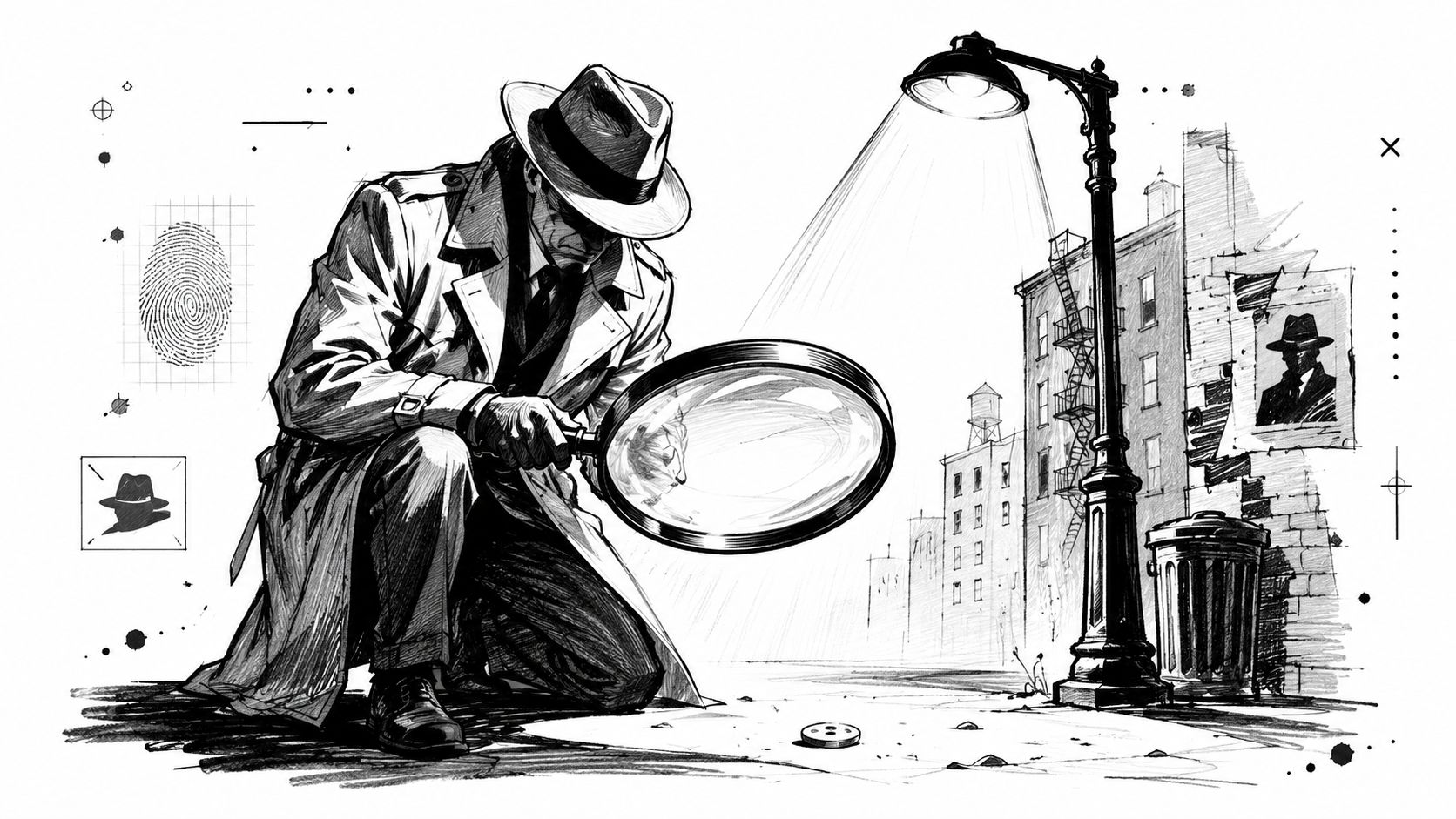
The visual language matters as much as the plot. Deep shadows, narrow alleys, cigarette smoke, reflections in windows, a close-up on a gloved hand. You don't need all the old clichés, but you do need control over what the reader can and can't fully see.
The case is only half the story
A weak detective comic treats the mystery like a puzzle box. A better one makes the investigation reveal character damage. In Sin City or The Long Halloween, clues matter, but the primary tension comes from obsession, guilt, loyalty, and moral drift.
That's why PersonalizedComics' noir style works best when you write from a flawed point of view. Your detective might be competent, but they shouldn't be clean. Maybe they're hiding evidence. Maybe they know the victim. Maybe they need the wrong person to be guilty.
Use this approach:
- Open with a disturbance: A murder, disappearance, blackmail note, or impossible testimony.
- Add one personal stake: The case should threaten the detective's history, reputation, or desire.
- Plant misleading certainty: Let one explanation feel obvious early, then undermine it.
How to make it feel noir
Use dialogue sparingly. Noir gets stronger when people avoid saying the thing they mean. A glance at an ashtray can say more than a paragraph. So can an empty chair, a police file, or rain on a windshield.
Close-ups matter here. So do silhouette shots and negative space. Let the page breathe. Don't crowd every panel with exposition. Suspense often comes from what the reader has to hold in mind between panels.
A detective story gets boring the moment every character starts speaking plainly.
What doesn't work? Twists that exist only to surprise, not to deepen the story. Generic “gritty” narration pasted over scenes that have no emotional tension. Noir needs pressure from inside the characters, not just darkness in the backgrounds.
5. Webcomic Digital Comics
Webcomics are less about genre and more about delivery. They're built for screens, recurring readership, and habits. That changes how you write. A printed page asks for immersion. A webcomic often asks for immediate clarity, a sharp hook, and a reason to come back.
Digital matters here in a concrete way. One market analysis estimates digital comics at 45% of global sales versus 55% for physical comics, with subscription models representing 73.6% of digital-comic revenue and manga accounting for 59.8% of the digital-comic market in Market.us coverage of the digital comic market. For creators, the practical takeaway is simple. Mobile-friendly, episodic reading behavior is already normal.
Design for repeat reading
A webcomic doesn't need every episode to be huge. It needs consistency and an identity readers can recognize quickly. XKCD does this with concept-driven humor. The Oatmeal does it with voice. Questionable Content builds familiarity through character routine and gradual development.
On PersonalizedComics, page-by-page generation is useful for this format because it supports episodic production. You can build a short run, publish on a schedule, then bundle successful material later into a print collection.
A solid webcomic blueprint:
- One core promise: Comedy, romance, slice of life, lore-heavy fantasy, or action serial. Keep it legible.
- Fast visual recognition: Characters should be distinguishable at a glance.
- Episode endings with pull: A joke, reveal, question, or emotional beat that makes the next update feel necessary.
What digital readers tolerate less
Slow openings hurt more online. So does visual clutter on small screens. If every panel is packed with tiny text and background detail, readers drop off. Prioritize readability over ornament.
Publishing rhythm matters too. You don't need a punishing schedule, but you do need reliability. If updates are irregular, make each episode complete enough to reward the wait.
Field advice: Webcomic readers forgive rough edges. They rarely forgive confusion.
What often fails? Trying to launch with a massive universe bible and no clear first episode. Overlong captions. A style that looks nice in a large file but becomes muddy on a phone. Digital comics reward discipline. Keep the hook visible.
6. Educational Children's Comics
Educational and children's comics succeed when the lesson is embedded in the action, not stapled on top of it. If the comic pauses every page to teach directly, kids feel it immediately. The strongest books teach by making the reader care what happens next.
That's why so many effective examples, from Science Comics to Smile to Amulet, lead with character and momentum. A child remembers a fact better when it solved a problem in the story. A classroom comic works best when learning changes what the character can do.
Start with the age, then shape the page
A comic for early readers needs clear panel flow, large readable dialogue, and direct emotional stakes. A comic for older kids can handle layered subplots, denser world-building, and more visual inference. The same topic needs different treatment depending on who's reading.
PersonalizedComics is especially useful here because it lets you personalize the cast. A student, sibling, or class mascot can become the protagonist. That instantly lowers resistance. Kids engage faster when the story feels close to their world.
A practical way to structure an educational comic:
- Set a concrete problem: A science fair disaster, a historical mystery, a playground conflict, a lost map.
- Hide the lesson inside the solution: The reader learns because the character needs to learn.
- End with a usable takeaway: A reflection prompt, mini activity, or discussion question.
Keep the tone light, even with serious material
Children can handle serious themes. They just need clarity and emotional safety. That means no muddy moral point, no overloaded pages, and no dialogue that sounds like a textbook speaking through a child.
If you're making a classroom or family comic, print can matter too. In Europe, the comic-book market was valued at USD 18.01 billion in 2024, with print still dominant, while manga held 35.5% of the regional share, according to Market Data Forecast's Europe comic book market report. That's a reminder that print-ready layout still matters when comics are meant to be held, shared, or used in group settings.
What doesn't work? Talking down to young readers. Writing “educational” as if it means humorless. Jamming five learning objectives into one short story. One strong lesson, one memorable problem, one clear resolution. That's enough.
7. Fantasy Adventure Comics
Fantasy adventure comics are built for readers who want to enter somewhere else completely. Castles, ruins, monsters, prophecy, impossible maps, old grudges, lost heirs. The appeal is scale, but scale by itself doesn't hold attention. The world only matters once a character has to survive it.
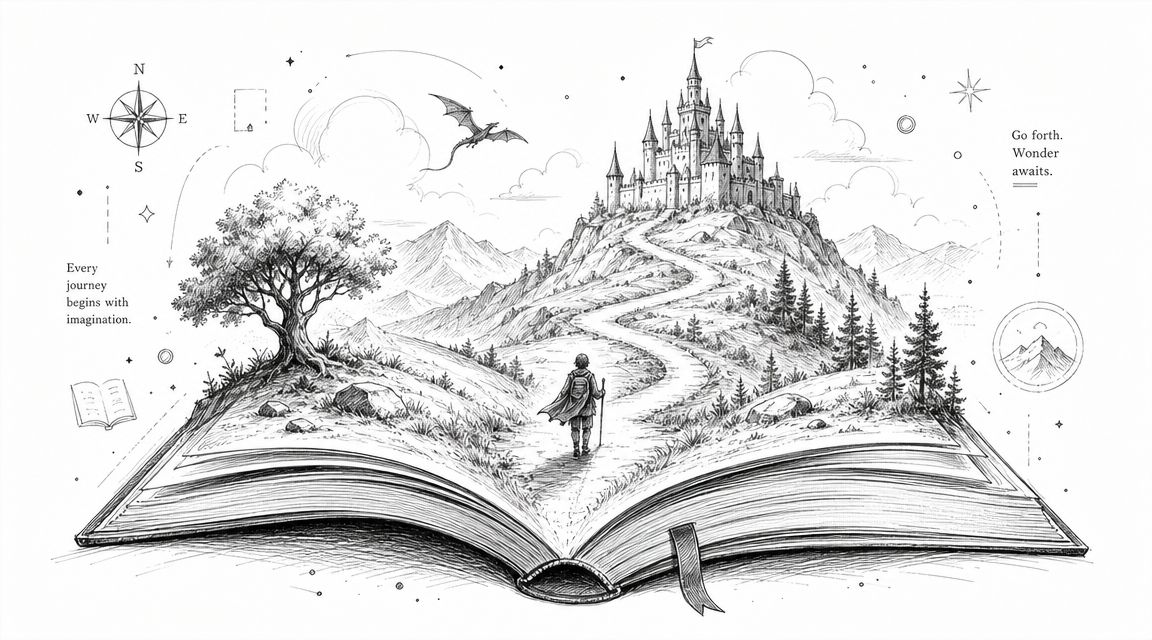
The usual beginner mistake is spending too much time on lore and not enough on desire. A map is not a story. A magic system is not a story. A chosen one isn't interesting until the choice costs them something.
Build the world through obstacles
The cleanest fantasy setup gives the protagonist a specific task. Deliver the relic. Escort the prince. Escape the flooded city. Recover the banned spellbook. That mission creates natural opportunities to reveal the world.
PersonalizedComics' fantasy style is a strong match for this category because environment matters here. You want forests that feel ancient, towers that suggest history, armor that differentiates kingdoms, and creatures that carry mood as well as threat.
Try this working pattern:
- One grounded lead character: Even in epic stories, readers need a human entry point.
- Three defining world rules: Keep them clear. Magic, politics, geography, religion, or technology.
- One irreversible midpoint: Burn the bridge, kill the mentor, betray the alliance, reveal the true bloodline.
Let the art carry wonder
Fantasy pages work best when you vary intimacy and scope. Start on a hand gripping a torch, then pull out to a ruined cathedral. Move from character fear to environmental awe. That contrast is what makes adventure feel large without becoming numb.
Visual consistency matters a lot in fantasy. If your monsters, buildings, and costumes feel like they came from different universes, the illusion breaks. Keep a reference sheet, even when using AI generation, so your symbols and silhouettes repeat with purpose.
A lot of current comic creation is moving toward style-first decision making. One useful perspective on that shift is the idea that creators now choose between visual languages such as minimalism versus realism, exaggeration versus naturalism, and pen-and-ink versus painted looks, while panel framing and shot choice shape the story just as much as genre does, as discussed in this video on comic styles and visual storytelling.
What doesn't work? Lore dumps in captions, generic medieval settings with no cultural specificity, and endless travel without meaningful decisions. Adventure needs movement, but it also needs consequence.
8. Memoir Autobiographical Comics
Memoir comics are among the hardest types of comic book to do well because they ask for honesty and craft at the same time. Real life doesn't arrive in neat scenes. Comics require selection. You have to decide what to show, what to compress, and what emotional truth the story is really about.
That's why strong memoirs like Fun Home, Persepolis, Smile, and The Best We Could Do don't just record events. They interpret them. They use structure, visual metaphor, silence, and repetition to help the reader feel what memory felt like.
Don't tell your whole life
The best memoir comics usually narrow the frame. One relationship. One season. One move. One illness. One school year. One family secret. The smaller the container, the sharper the emotional reading experience.
PersonalizedComics can help here by turning photos, remembered locations, and character descriptions into visual scenes. That's useful for family gifts or personal keepsakes, but it also helps when you need to see a moment on the page before you know how to write it.
A reliable memoir structure looks like this:
- Anchor in a specific period: Give the reader a stable timeline.
- Pick a central emotional question: Whose approval mattered? What were you hiding? What changed you?
- Use scenes, not summaries: Let conversations, rooms, and objects carry memory.
Handle truth with care
Memoir comics often involve other people. That creates practical issues around consent, fairness, and simplification. Even if you have every right to tell your story, it's worth asking whether a scene is clear, necessary, and responsibly framed.
You also don't need to reproduce every conversation exactly as it happened. What matters is emotional fidelity. If a visual metaphor communicates panic, grief, or shame more truthfully than literal realism, use it.
Some of the strongest autobiographical pages are not the most detailed. They're the ones that choose the exact moment the reader needs.
What doesn't work? Turning the comic into therapy notes without narrative shape. Hiding behind irony so completely that nothing lands. Overexplaining the emotional meaning of every scene. Trust the image. Trust the pause between panels. Let the reader meet you there.
Comparison of 8 Comic Book Types
| Style | Implementation complexity | Resource requirements | Expected outcomes | Ideal use cases | Key advantages |
|---|---|---|---|---|---|
| Manga | Moderate–high (distinct reading/layout conventions; serialization demands) | Skilled manga-style artists, consistent production schedule, black‑&‑white art workflows | Serialized readership, strong fan engagement, adaptation/merch potential | Character-driven serials, fan fiction, emotional narratives | Distinctive aesthetic, broad demographic appeal, proven commercial success |
| Superhero/Action Comics | High (long continuity, complex action staging) | High-quality dynamic illustration, color production, ongoing plotting/editing | Broad commercial reach, franchise/merchandise and media adaptation opportunities | Personalized superhero stories, action-driven serials, shared universes | Mass appeal, high adaptation potential, action-focused engagement |
| Graphic Novel | Very high (long-form narrative planning and cohesion) | Significant time, editorial support, higher printing/production costs | Literary recognition, deep reader investment, premium pricing | Book-length narratives, prototyping full stories, literary comics | Prestige/value perception, critical acclaim, sustained character development |
| Noir/Detective Comics | High (tight plotting, tonal consistency) | Skilled writers, high-contrast art skills, careful pacing and foreshadowing | Engaged mature audience, strong atmospheric impact, adaptation suitability | Mystery-driven dramas, psychological stories, mature themes | Distinctive mood, psychological depth, compelling mystery hooks |
| Webcomic/Digital Comics | Low–moderate (format and platform optimization) | Minimal distribution cost, digital publishing know-how, regular update cadence | Rapid audience growth, direct feedback, varied monetization paths | Episodic series, experimental formats, social-media-driven comics | Low barrier to entry, direct reader engagement, flexible schedule |
| Educational/Children's Comics | Moderate (curriculum alignment and age appropriateness) | Research, educator review, child-friendly art, possible institutional printing | Improved learning engagement, school/library adoption, bulk sales potential | Classroom materials, early literacy, educational gift comics | Proven learning benefits, institutional demand, high parental/educator trust |
| Fantasy/Adventure Comics | High (extensive world‑building and continuity) | Detailed design resources, long development timelines, complex illustration | Dedicated fanbase, cross-media opportunities, long-term series potential | Epic quests, world-building projects, transmedia franchises | Immersive worlds, strong franchise potential, creative scope |
| Memoir/Autobiographical Comics | Moderate–high (ethical and narrative challenges) | Personal research, sensitive editing, possible legal/consent work | High emotional resonance, critical recognition, niche but loyal readership | Personal histories, gift books, socially relevant personal narratives | Authentic voice, strong reader connection, literary credibility |
Your Story, Your Style Start Creating Today
You have a story idea, a character voice, maybe even a scene you can already see clearly. The part that stalls many first projects is simpler than people expect. They have not chosen the right comic format yet.
That choice shapes everything that follows. A manga-style project handles emotional pacing and expressive reactions well. A superhero book supports impact, motion, and high-contrast stakes. A graphic novel gives you room to develop relationships, themes, and structure over time. Noir thrives on tension, withheld information, and atmosphere. Webcomics reward short episodes and publishing consistency. Children's comics work best when each page carries one clear learning beat. Fantasy adventure asks for stronger world-building discipline. Memoir depends on honesty, restraint, and careful scene selection.
The useful question is not, “What kind of comic is best?” The useful question is, “What kind of comic helps this specific idea read well?” A gift comic for a child, a serialized character gag, and a personal story about grief should not be built the same way. Treat each type as a project format with its own production demands, reader expectations, and payoff.
That matters because modern tools let you test the format before you commit to a full book. You can draft a short manga scene, rebuild it as noir, then compare which version carries the emotion better. You can prototype a four-page superhero opener, a vertical-scroll webcomic episode, or an educational short without spending months drawing everything from scratch. That is a practical advantage, not just a convenience. It helps you make better creative decisions earlier.
As noted earlier, analysts project continued growth for the comic book market in 2025 and beyond. The bigger takeaway for creators is not the forecast itself. It is the demand behind it. Readers want different lengths, tones, art styles, and reading formats, which gives independent creators more than one good path.
PersonalizedComics turns that flexibility into an actual workflow. You can pick from eight art styles, upload photos or describe characters, build scenes, and generate comic pages with panel layouts, dialogue, narration, and sound effects already assembled. That makes it easier to test a memoir excerpt, a classroom comic, a fantasy proof of concept, or a gift-quality short story before you expand the project.
Start smaller than your ambition.
A short comic reveals pacing problems fast. Four pages will show whether your character voice is clear, whether your visual style matches the tone, and whether the format supports the story you want to tell. I usually recommend testing one self-contained scene first. An origin beat. A joke sequence. A mystery setup. A family memory. If that scene works, the larger project has a foundation.
Your story needs a form that supports it and a first page that proves it can work. Choose the type that fits the job, build a short version, and improve from something real instead of planning in circles.
PersonalizedComics is a practical place to start if you want to turn an idea into a finished comic without drawing everything by hand. You can choose a style, upload photos or describe characters, generate polished pages, and order a premium physical copy if you want something tangible to gift or keep. New users get a free three-page preview comic, so you can test your first pages and find the comic format that fits your story before going bigger.
Filed under Comic Craft